
Things to do in Italy Florence in 1 Day

If you're planning your first day in Florence and wondering about the best things to do in Italy Florence, this guide is your ultimate companion. With centuries of history, awe-inspiring architecture, Renaissance art, and culinary delights, Florence is a walkable masterpiece waiting to be explored.

In this article, we offer a thoughtfully crafted walking itinerary, optimized for time and experience, starting from Santa Maria Novella Station. Whether you're in the city for just a day or looking to kick off a longer stay, follow this route to discover the best of Florence—by foot and by heart.


Santa Maria Novella Station: Where the Journey Begins

Start your adventure around 9:30 AM at Firenze Santa Maria Novella, Florence’s main railway station. Built in the 1930s in a sleek Rationalist style, the station is both an architectural landmark and a practical hub. Located at Piazza della Stazione, it connects you effortlessly to every part of the city via buses and the tramway system.

As you exit the station, the bustle of the square gives you a first taste of Florentine life. From here, begin your walk by heading toward Piazza Santa Maria Novella, your gateway to the Renaissance.


Things to do in Italy Florence: Visit Santa Maria Novella Church


Step into one of Italy’s most historically rich religious sites. Santa Maria Novella was founded by Dominican friars in the 13th century and soon became a beacon of religious and artistic brilliance.

This basilica isn’t just a church—it’s a living museum. Over the centuries, it gathered masterpieces created specifically for this space by legends such as Giotto, Brunelleschi, Masaccio, Michelangelo, Ghirlandaio, Botticelli, and Vasari.


Filippo Strozzi Chapel

Don’t miss the Filippo Strozzi Chapel, home to Filippino Lippi’s final frescoes. These vivid narratives of Saints Philip and John are steeped in symbolism and artistry. The tomb by Benedetto da Maiano adds a sculptural touch to the spiritual ambience.


The Façade by Alberti

The iconic façade, designed by Leon Battista Alberti and completed in 1470, is a harmonious blend of Gothic and Classical geometry. Look closely to see astronomical instruments and esoteric symbols—perfect for deeper exploration in tours like Esoteric Florence: a magical walk.


Giotto’s Crucifix

Reunited with the basilica in 2000, Giotto’s Crucifix hangs once again in its rightful place. This 13th-century masterpiece depicts Christ with powerful realism, reflecting both Franciscan spirituality and Renaissance humanism.

Once you've soaked in the basilica's grandeur, walk across the square to your next stop: Museo Novecento.


Museo Novecento: Contemporary Art in Renaissance Florence

Housed in the historic Leopoldine Hospital, the Museo Novecento is Florence’s answer to modern and contemporary art lovers. Opened in 2014, it showcases key works from the 20th and 21st centuries, including the prestigious Alberto Della Ragione Collection.

Admire masterpieces by Giorgio De Chirico, Gino Severini, Giorgio Morandi, and Renato Guttuso, among others. The museum also offers thematic exhibitions, film screenings, and educational workshops. A must-see for those wanting to balance Renaissance with Modernism.


Piazza Ognissanti: River Views and Artistic Echoes

Next, walk to Piazza Ognissanti. This lesser-known square features the elegant Church of Ognissanti, home to art by Ghirlandaio and Botticelli. Look out over the Lungarno and catch your first view of the Ponte Vecchio, framed by the glistening Arno.

If it’s a Saturday morning, you're in for a treat: the antique market here is full of quirky and valuable finds. Take a moment to relax at a local café and sip your espresso with river views.


Street Levels Gallery: Between Things to do in Italy Florence

Heading back toward the city center, make your way to Via Palazzuolo to find the Street Levels Gallery. This vibrant space fuses street art, urban culture, and public expression in a constantly evolving format.

Run by local artists and curators, it’s a great place to support independent art, buy original prints, and understand Florence beyond the Renaissance. Perfect for art lovers who crave something edgier.


Mercato di San Lorenzo: Culture, Cuisine, and Curiosities

By now, your appetite is calling. Before diving into lunch, enjoy a glass of local wine at one of the Buchette del Vino, tiny wine windows dating back to the 17th century. These historic wine dispensers once allowed nobles to sell directly to locals—an early form of takeaway!

Then, head to San Lorenzo Market. On the ground floor, explore a maze of food stalls offering everything from offal to exotic fruits. It's not only a feast for the stomach but also for the senses. Pick up truffle oil, sun-dried tomatoes, or vacuum-packed souvenirs like Tuscan herbs and mushrooms.


Things to do in Italy Florence? Lunch at Mercato Centrale

Climb to the upper floor of the Mercato Centrale, where dozens of gourmet food stands await. From Tuscan pasta to fresh seafood, international bites to local specialties—there's something for everyone. Grab your meal, find a seat, and enjoy the buzzing vibe.

After lunch, stroll through Via dell’Ariento, famous for its leather goods, toward Piazza San Lorenzo.


Basilica of San Lorenzo and the Medici Chapels

At 2:30 PM, you’ll reach the impressive San Lorenzo complex, encompassing the Basilica, Laurentian Library, and Medici Chapels. For the afternoon, we recommend diving into the Medici Chapels.

Medici Chapels Florence

A resting place of Florence’s most powerful family, this museum features Michelangelo’s New Sacristy, the Chapel of the Princes, and the Medici Crypt. Here, Renaissance ideals of beauty and eternity come to life in stone.

You can buy your ticket online here—youth discounts and English audio guides are available. It’s a journey through Michelangelo’s genius and the political grandeur of Renaissance Florence.


Best of Florence Walking Tour with Tuscany Daily Tours

At 4:00 PM, join the Best of Florence Walking Tour (bookable via Tuscany Daily Tours). This tour brings the city’s heartbeat to life, with expert guides leading you through 2,000 years of history.

Piazza del Duomo

Your first stop is Piazza del Duomo, where you'll marvel at Brunelleschi’s dome, Giotto’s Bell Tower, and the Baptistry of San Giovanni. This stunning ensemble is a UNESCO World Heritage Site and a testament to Florence’s eternal beauty.

Piazza della Signoria

Next is Piazza della Signoria, the city’s political heart. Admire Palazzo Vecchio, the Fountain of Neptune, and an open-air museum of Renaissance sculptures under the Loggia dei Lanzi.

Piazza della Repubblica

Walk through the majestic Piazza della Repubblica, where 19th-century grandeur meets historic depth. Its elegant cafés and Arch of Triumph invite you to slow down and soak in the elegance of modern Florence.

Ponte Vecchio

No day in Florence is complete without walking the Ponte Vecchio. This 14th-century bridge, now lined with jewelers, offers a romantic view of the Arno. Let the old-world charm and golden glow etch themselves into your memory.

Santa Croce: Final Stop at Sunset

As your walking tour ends, wander along the Arno and through the city’s alleys until you reach Santa Croce. Admire its stunning facade and Dante’s statue, and take time to visit its rich complex: church, cloisters, crypt, museum, and vestry.

Inside lie the tombs of Michelangelo, Galileo, Machiavelli, and more—making Santa Croce a temple of Italian genius.

As twilight sets in, relax in one of the nearby bars for a well-deserved Florentine aperitivo. Raise your glass to a day filled with beauty, culture, and unforgettable experiences.


Want More things to do in Italy Florence? Discover Tuscany Daily Tours

This itinerary just scratches the surface of the   best things to do in Italy Florence. For a richer and more personalized experience, explore the full offering of tours at Tuscany Daily Tours.

From esoteric walks to gourmet tastings, there’s a Florence waiting just for you.
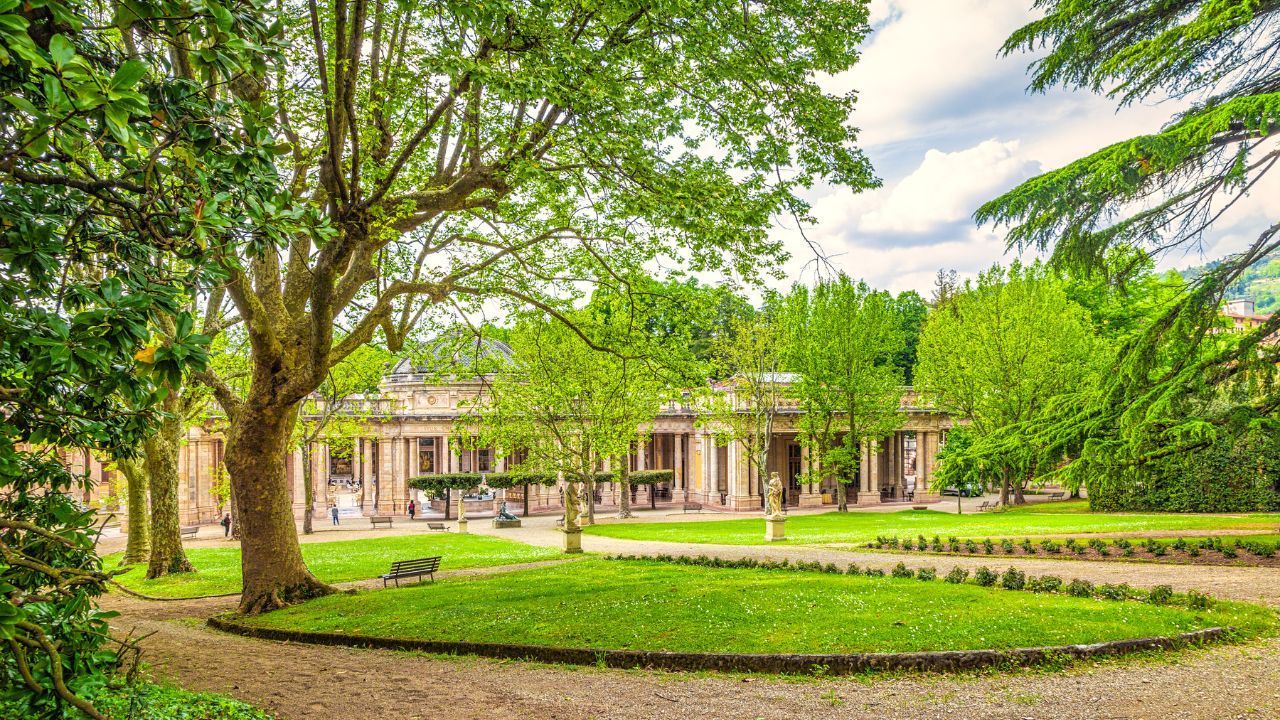

Why Montecatini Is the Smartest Base to Explore Tuscany: Terme Tettuccio in Montecatini
By Martina Gambardella April 10, 2026
Discover why Montecatini is the smartest base to explore Tuscany. Find out Ranieri Tour Operator's tours for small groups starting from here and visit Tuscany
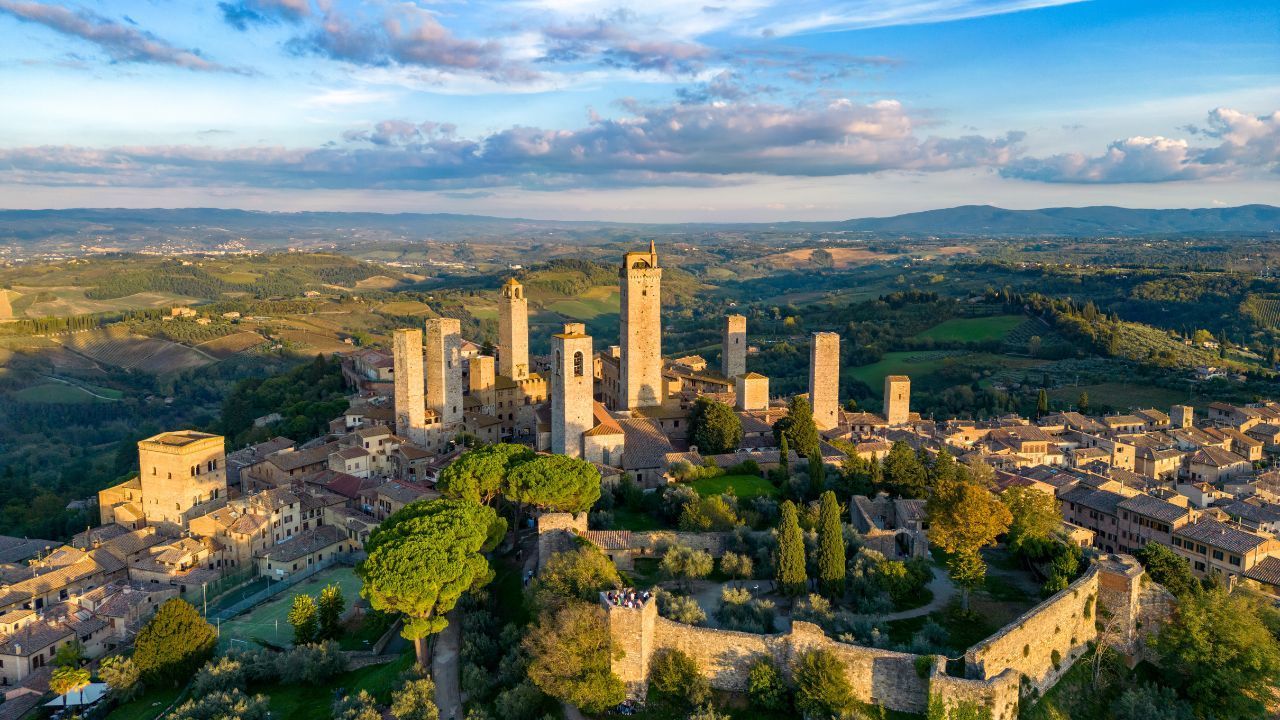
San Gimignano towers at sunset during Tuscany Daily Tours excursion from Montecatini
By Martina Gambardella March 6, 2026
Is San Gimignano worth visiting? Discover what to see and enjoy it on our Siena, Chianti & San Gimignano tour from Montecatini.
Wondering where to stay in Tuscany? Discover the best base
By Martina Gambardella March 6, 2026
Wondering where to stay in Tuscany? Discover the best base to visit Florence, Pisa and Lucca with smart day trips and local insights.
By Martina Gambardella February 26, 2026
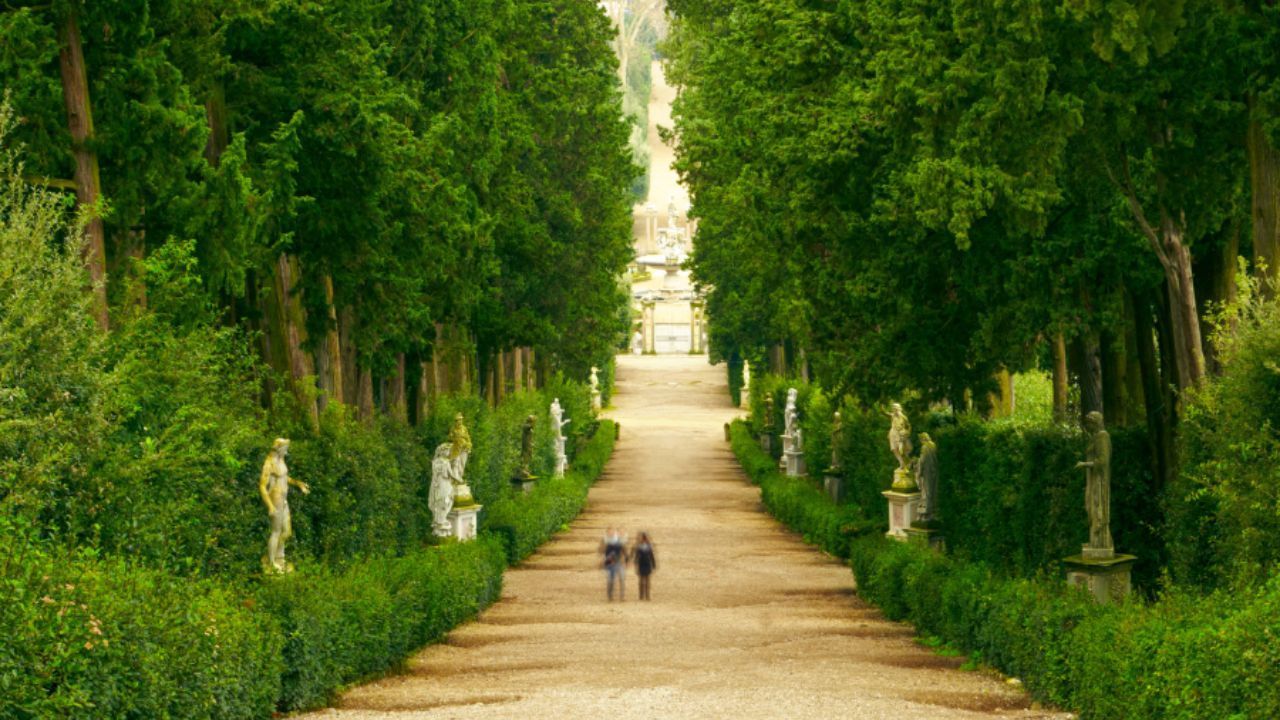
When the sun is shining over Florence and the city glows with warm golden light, there is one place that locals and travelers instinctively choose: the Boboli Gardens . More than a park, Boboli is a place where Florence slows down, where art and nature blend seamlessly, and where a sunny day becomes an unforgettable memory. As a local tour operator who accompanies visitors here every day, we can say with certainty: visiting the Boboli Gardens is one of the best things to do in Florence on a sunny day . How to Get to the Boboli Gardens Getting to the Boboli Gardens is easy, and choosing the right entrance can already shape your experience. The gardens have four main entrances , all located on the Oltrarno side of Florence, each offering a slightly different way to step into this green masterpiece. Main entrances to the Boboli Gardens Palazzo Pitti Entrance The most iconic and commonly used entrance, directly connected to the Pitti Palace. Entering from here feels grand and ceremonial, just as the Medici once intended. Bus lines: C3, C4, 11 Forte di Belvedere Entrance A quieter access point that offers spectacular panoramic views over Florence. Ideal if you want to combine Boboli with one of the city’s most scenic viewpoints. Via Romana – Annalena Gate A lateral and less crowded entrance, perfect for visitors arriving from the southern part of the city or staying near Porta Romana. Bus line: 11 Piazzale di Porta Romana Entrance Located at the end of Via Romana, this entrance provides a more local and relaxed way to enter the gardens. Bus lines: 11, 13, 36, 37 The exit is generally located near Piazza Pitti , making it easy to continue exploring the Oltrarno neighborhood after your visit. Tickets and practical tips Tickets can be purchased online or on site , but booking in advance is strongly recommended, especially during high season, to avoid queues. Prices vary depending on ticket type and exhibitions, with reductions and free entry available for certain categories such as Florence residents, students, and on specific days. The Feeling of Entering Boboli Gardens The moment you step inside the Boboli Gardens, the city seems to disappear. The sounds of Florence fade into the background, replaced by gravel paths underfoot, the murmur of fountains, and the gentle movement of trees shaped centuries ago. On a sunny day, light filters through the greenery, illuminating statues and terraces in a way that feels almost theatrical. Boboli is not a place to rush — it invites you to slow down, wander, and simply breathe. Walking along the alleys designed for these gardens, you can probably have some flashbacks, flashbacks of a time you've never lived. Indeed it’s so easy to imagine princes and princesses, lords and ladies of the upper classes walking with you, hiding with their lovers behind some bushes. You can almost see their clothes, changing from Renaissance to the 18th century to the latest fashion. Can’t you see their farthingales, girdles and sumptuous wigs? And then the scandals, the weapons, and the illegitimate relationships that we know these gardens have hidden. A Garden Born from Power, Art, and Vision Moreover, we know that the history of the Boboli Gardens Florence begins in 1549 , when Eleonora di Toledo , wife of Cosimo I de’ Medici, purchased the Pitti Palace and commissioned the creation of a garden worthy of the most powerful family in the city. The first project was designed by Niccolò Tribolo , later expanded by architects and artists such as Bartolomeo Ammannati , Giorgio Vasari , and Bernardo Buontalenti . Together, they transformed a hillside into the model of the Italian Renaissance garden , where nature is shaped by art, geometry, and symbolism. Boboli was conceived as a space that expressed harmony, order, and Medici authority. Every fountain, statue, and avenue had meaning, celebrating humanity’s ability to shape the natural world. After the Medici dynasty, the Lorraine family enriched the gardens with new botanical elements and scenic viewpoints, adding layers of history without altering their essence. In 1766 , Boboli was opened to the public, turning a private aristocratic retreat into a shared cultural treasure. Today, walking through the gardens feels like moving through centuries of Florentine history — an open-air museum where Renaissance ideals meet Baroque elegance. Exploring the Layout of the Gardens The Boboli Gardens unfold vertically behind the Pitti Palace, climbing gently toward panoramic terraces. Wide gravel paths, hidden groves, manicured hedges, and sudden open views create a landscape designed to surprise and delight. Unlike modern parks, Boboli was meant to impress, guide, and inspire — and it still does. Must-See Highlights Inside Boboli Gardens If you want to make the most of your visit, these are the spots we always recommend: The Amphitheater Located just behind the palace, this space once hosted court performances and celebrations for the Medici family. The Buontalenti Grotto A surreal masterpiece of Mannerist art, filled with artificial stalactites, sculptures, and hidden symbolism. The Fountain of Neptune One of the highest points in the gardens, offering open views and a refreshing atmosphere. The Kaffeehaus Terrace Inspired by Viennese architecture, this terrace offers one of the best panoramic views over Florence , especially beautiful in the afternoon sun. Discover Boboli with a Local Guide: Pitti Palace & Gardens Tour For travelers who want more than a simple walk, we recommend experiencing Boboli with a professional local guide . Our small-group Pitti Palace and Boboli Gardens tour combines: a guided visit to the Palatine Gallery , home to masterpieces by Raphael, Titian, and Caravaggio an in-depth exploration of the Boboli Gardens , uncovering stories, symbols, and hidden corners The tour includes priority entrance tickets and a 24-hour pass that allows you to continue exploring the rest of the Pitti Palace galleries at your own pace. It’s the perfect way to truly understand what you’re seeing — and why it matters. Practical Information: Opening Hours and Ticket Prices Opening hours: Daily: 8.15- 16.30 in January, February, November; 17.30 in March and October (Standard Time); 18.30 in March (DST), April, May, September, October (DST); 19.10 in June, July and August. Closing Day First and Last Monday of the month. 1st of January, 25th of December. Last entry: One hour before closing Ticket Single entrance to the Boboli Gardens Full Price: 10€(With the Boboli Gardens ticket, you can access the Villa Bardini Garden for free). Bookings Entrance reservation for the additional cost of 3€ at the official online ticket office or on +39 055 294883 (Mon-Fri 8.30-18.30 Sat 8.30-12.30). Local Tips for Visiting Boboli Gardens Visit late morning or mid-afternoon for the best light Wear comfortable shoes — paths are gravel and slightly sloped Bring water during summer months Take your time: Boboli is meant to be experienced slowly Why Boboli Gardens Are Perfect on a Sunny Day in Florence Florence can be intense, vibrant, and overwhelming — Boboli is where the city exhales. On a sunny day, there is no better place to reconnect with Florence’s elegance, history, and quiet beauty. That is what a lot of Florentines scholars thought, too. Indeed, Boboli Gardens is famous as the place where boys and girls from high school usually immersed to skip school. This way, it was possible for them to admire their historic value, elegance, and patriotic inestimable value… and of course, skip school (but that was far less relevant). Although this habit is fading (because of school’s digital logs) these gardens keep hiding over time secrets of thousands of florentines: boys, girls, students, noblemans, both from the 20th century and from Reinassence’s era. Once you leave the gardens, remember what you saw — but please, keep these secrets with you!
Siena catedral facade
By Martina Gambardella October 21, 2025
Discover the majesty of the Siena Cathedral with our guided tour: a gothic masterpiece in Tuscany full of history, art, and breathtaking views.
Vasari Corridor
By Martina Gambardella July 29, 2025
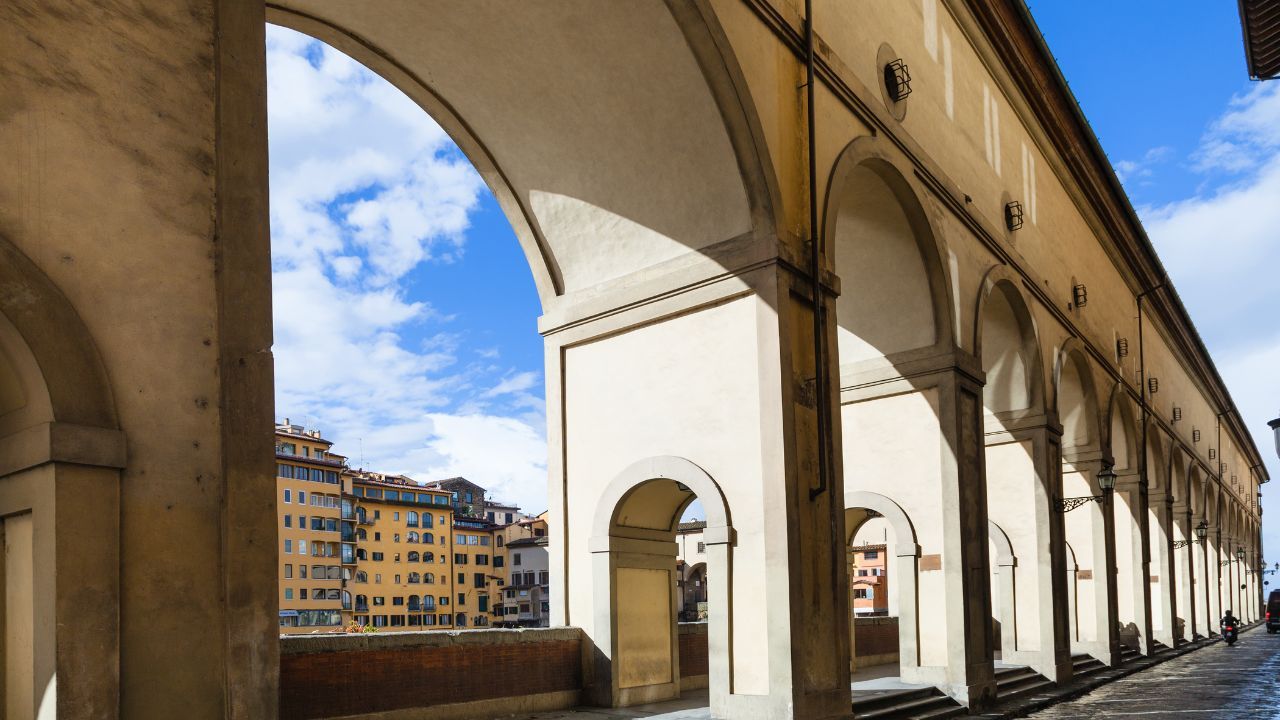
Uncover the Vasari Corridor in Florence: what it is, its fascinating history, the genius of Giorgio Vasari and its link to the Uffizi.
Leonardo da Vinci Sketches
By Martina Gambardella July 10, 2025
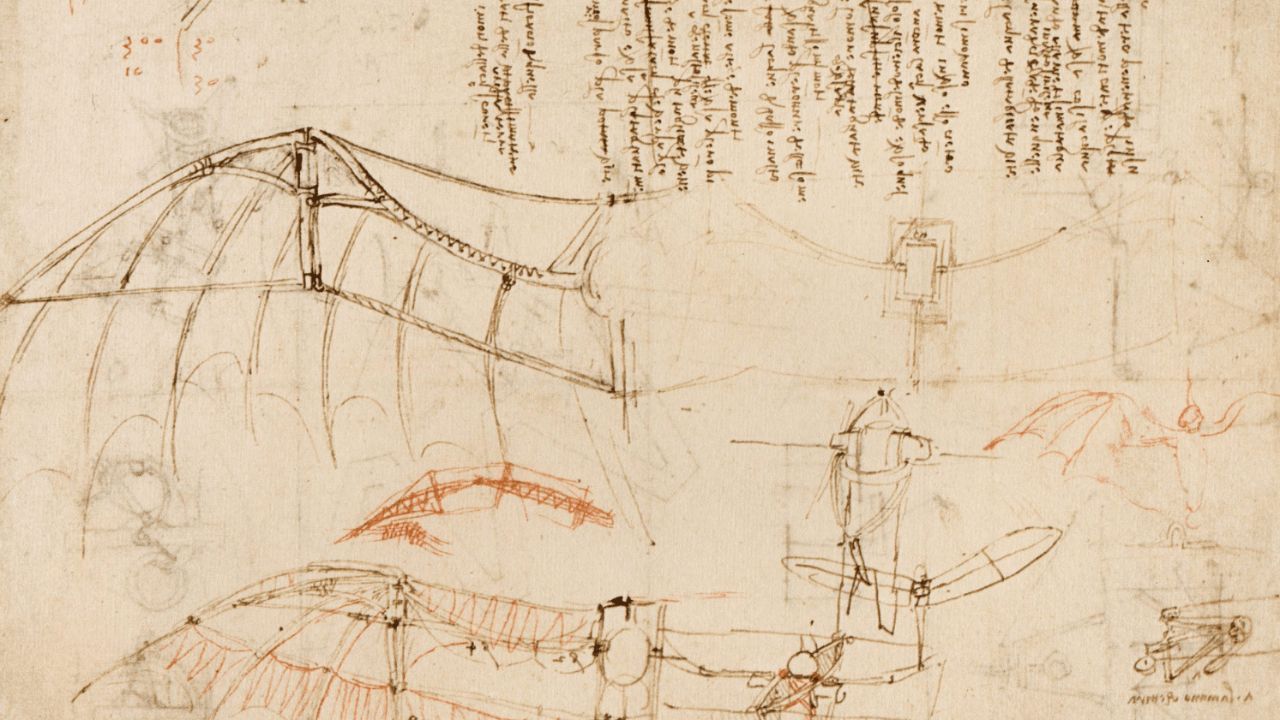
Discover Leonardo da Vinci sketches in Vinci: a Tuscan tour through his birthplace, inventions, and original artworks in a stunning countryside setting.
Tuscan Caves: Inside Grotta Maona
By Martina Gambardella July 9, 2025
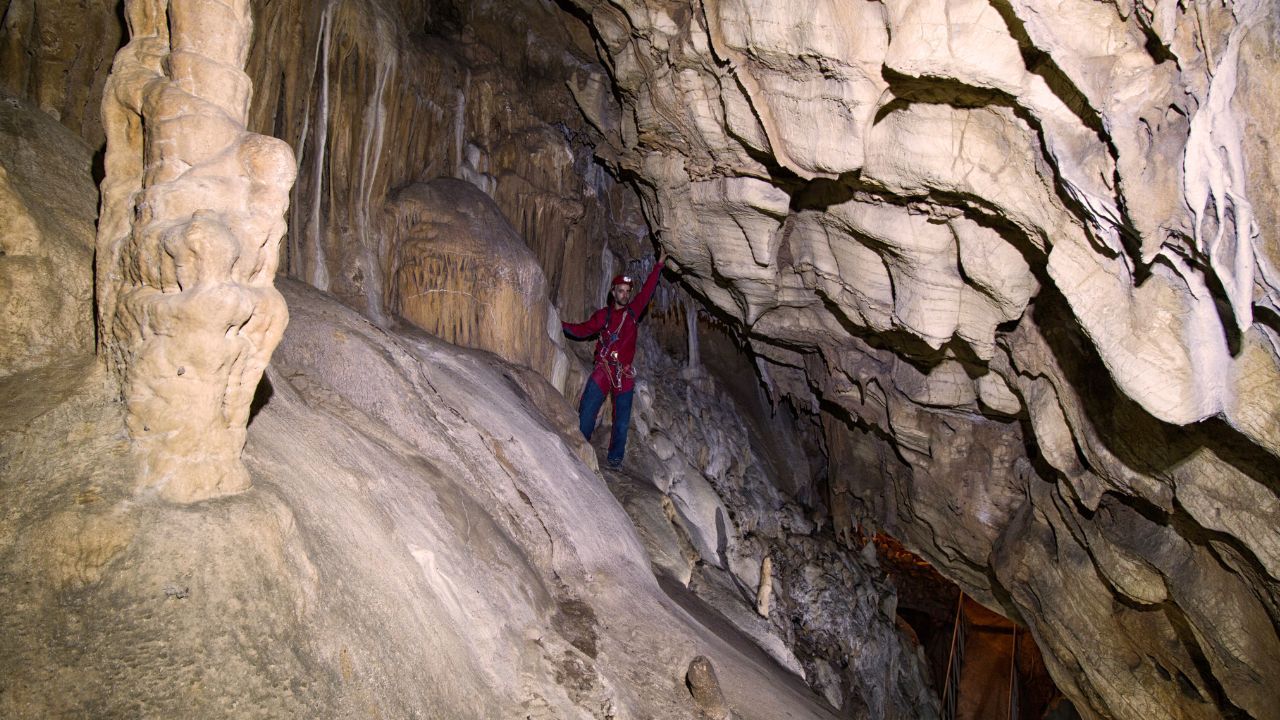
Tuscan caves in Valdinievole are the splendid evidence of nature action. Let us tell you about Grotta Maona's story.
Your tour from Montecatini Terme
By Martina Gambardella July 4, 2025
Explore Tuscany’s heart with an exclusive tour from Montecatini Terme. Discover Vinci, savor wine, and visit Cinque Terre with hotel pickup and local guides.
San Gimignano Tuscany
By Martina Gambardella July 2, 2025
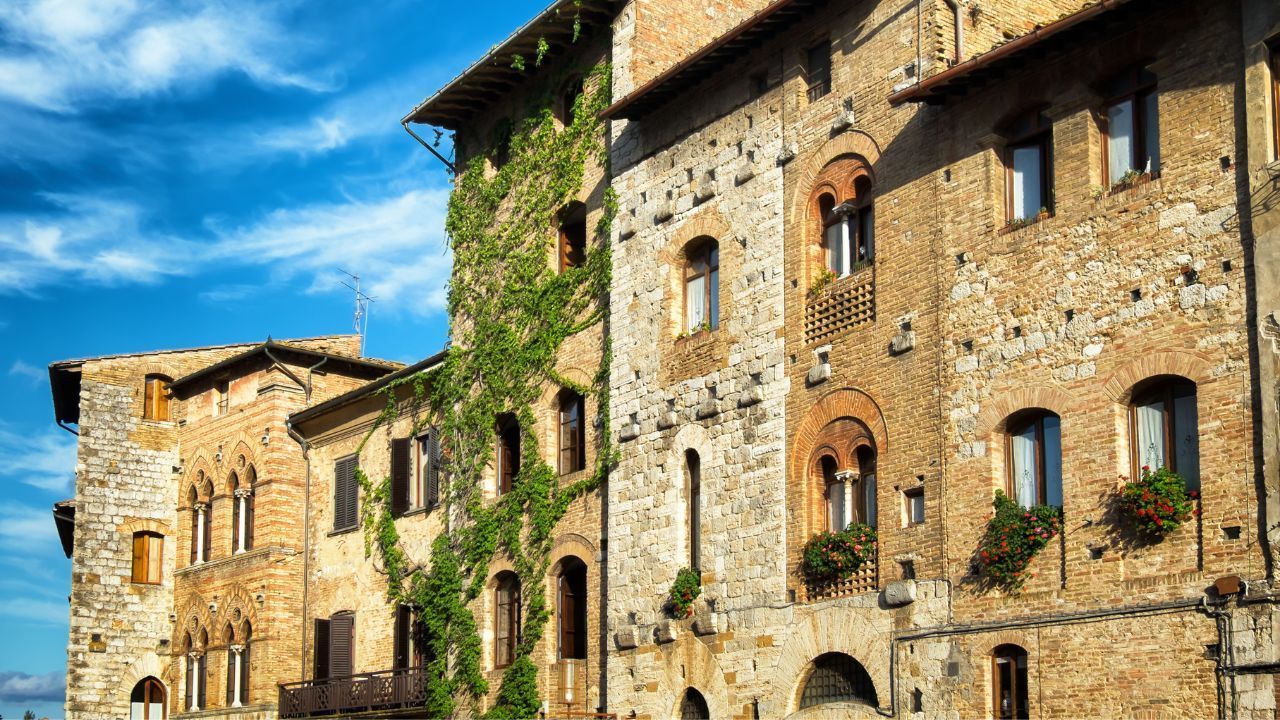
Explore San Gimignano Tuscany: towers, art, and wine in a medieval gem perfect for unforgettable holidays in the Tuscan countryside.