
EVO Oil & Montecatini Cable Car Experience: Explore the Tuscan Way

When you think of Tuscany, you can’t miss picturing an EVO oil flavoured bruschetta, rolling hills bathed in golden sunlight, rows of ancient olive trees, and the aroma of freshly baked bread come to mind. Among the many treasures of this region, organic olive oil stands as a symbol of tradition, health, and culinary excellence. 


The "Organic Olive Oil Experience with pick up from your accommodation in Montecatini Terme" exclusively offered by Tuscany Daily Tours, offers an intimate look into this rich tradition. Based in Montecatini Terme, the team Ranieri Tour Operator will offer you the most authentic adventure through Tuscan EVO Oil discovering.

This immersive tour is a love letter to the land, its flavors, and its centuries-old customs, promising a day filled with discovery, taste, and unforgettable views—including a ride on the iconic Montecatini cable car.


How Organic Olive Oil Is Made 

Let us take you behind the scenes to understand how this liquid gold is created. The process of making organic olive oil involves four primary stages, each of them carried out with an unwavering commitment to nature and sustainability.

Unlike conventional methods, the production of organic EVO (Extra Virgin Olive) oil strictly avoids the use of synthetic chemicals and instead relies entirely on natural substances.


The journey begins in the olive groves, where the fruit is cultivated in pristine conditions. Here, the olive trees are nourished only with organic fertilizers, and meticulous care is taken to preserve the integrity of the environment. These healthy, chemical-free olives then make their way to the frantoio, the olive press, where tradition and innovation merge.


Inside the Frantoio: Processing EVO Oil

As the olives arrive at the frantoio, they are first washed thoroughly with water to remove any impurities. The next step is frangitura or crushing. This process breaks down both the pulp and the pit of the olives into a thick paste. The resulting paste is then transferred into a machine known as the gramola, where it undergoes gramolatura.

This crucial phase lasts between 30 to 40 minutes and takes place at carefully controlled temperatures to maintain the oil's sensory and nutritional qualities. The gramolatura allows the small oil droplets in the paste to merge, effectively breaking the emulsion between water and oil.


The Extraction Phase of EVO Oil

The final step is the actual extraction of the oil. Here, the olive paste is subjected to centrifugation, a technique that separates the oil from the olive water and pomace (solid fragments of pits and pulp). The result is a fragrant, vividly green organic olive oil, ready to be bottled and savored.


Why Choose Organic Olive Oil?

After learning how this exquisite oil is made, you may wonder why organic EVO oil is considered superior. Let's delve into its unique benefits and what sets it apart.


Exclusive Use of Natural Products in EVO Oil Production

In organic farming, only substances approved by strict organic regulations are used. This means saying no to synthetic pesticides and fertilizers. 

Instead, farmers carefully select the most fertile land and robust olive varieties, ensuring that the trees can thrive with natural support alone. Regular watering, pruning, and monitoring become essential tasks, all carried out with care and respect.


EVO Oil Farming Respects the Ecosystem 

The organic approach not only protects the olives and farmers but also aligns with nature's rhythms. The cultivation practices aim to preserve biodiversity and minimize interference with the natural balance, making this method a true celebration of sustainability.


Reduced Environmental Impact of EVO Oil Farming

Organic farming prioritizes responsible resource management. From water use to soil health, every step is taken with the future in mind. The goal is to create a sustainable model that benefits both present and future generations while delivering a top-quality product.


What Is EVO Oil ? 

You’ve seen the acronym EVO, but what does it really mean? 

EVO oil stands for Extra Virgin Olive Oil, the highest grade of olive oil available. It is obtained solely by mechanical processes, without any chemical treatment. This ensures that the oil retains all the natural properties of the olives.


A key indicator of its quality is its acidity level, which must be below 0.8%. This low acidity is what gives EVO oil its distinct fruity aroma, smooth texture, and delicate flavor, making it a cornerstone of Mediterranean cuisine.


EVO Oil and its Health Benefits

EVO oil isn’t just delicious—it’s incredibly healthy!


Rich in monounsaturated fats, especially oleic acid, it supports cardiovascular health by lowering "bad" LDL cholesterol levels. It's also a potent source of antioxidants, such as polyphenols, which combat oxidative stress and reduce inflammation.

One standout compound is oleocanthal, known for its anti-inflammatory effects that mimic ibuprofen. Thanks to these properties, EVO oil is a fundamental component of the Mediterranean diet, widely recognized for its health-promoting benefits.


How to Identify and Store Organic EVO Oil

When shopping for EVO oil, always check the label. Look for details about the origin, method of extraction, and harvest date. These indicators help ensure transparency and quality.


Proper storage is equally important.

Choose dark glass bottles that shield the oil from light. Store them in a cool, dark place away from heat sources. Exposure to air, heat, or light can degrade the oil’s flavor and nutritional value over time. By storing it correctly, you preserve its vibrant taste and health benefits.


EVO Oil Experience with Pick Up from Your Accommodation in Montecatini Terme

Your journey begins in the charming town of Montecatini Terme, known for its thermal baths and elegant ambiance. A comfortable car or minivan will pick you up directly from your hotel, whisking you away to a picturesque olive estate nestled in the Tuscan countryside.

Here, surrounded by age-old groves and panoramic vistas, you’ll embark on a walking tour to explore the unique methods of EVO oil cultivation. Learn about sustainable farming practices, observe the trees up close, and connect with the land in a deeply personal way.


Next, you'll be welcomed into the estate's bottling and tasting cellar, a sanctuary where tradition meets expertise. Guided by local connoisseurs, you’ll learn how to evaluate olive oil like a true sommelier—understanding aroma, taste, and food pairings. From peppery notes to grassy hints, each oil reveals a story of its own.


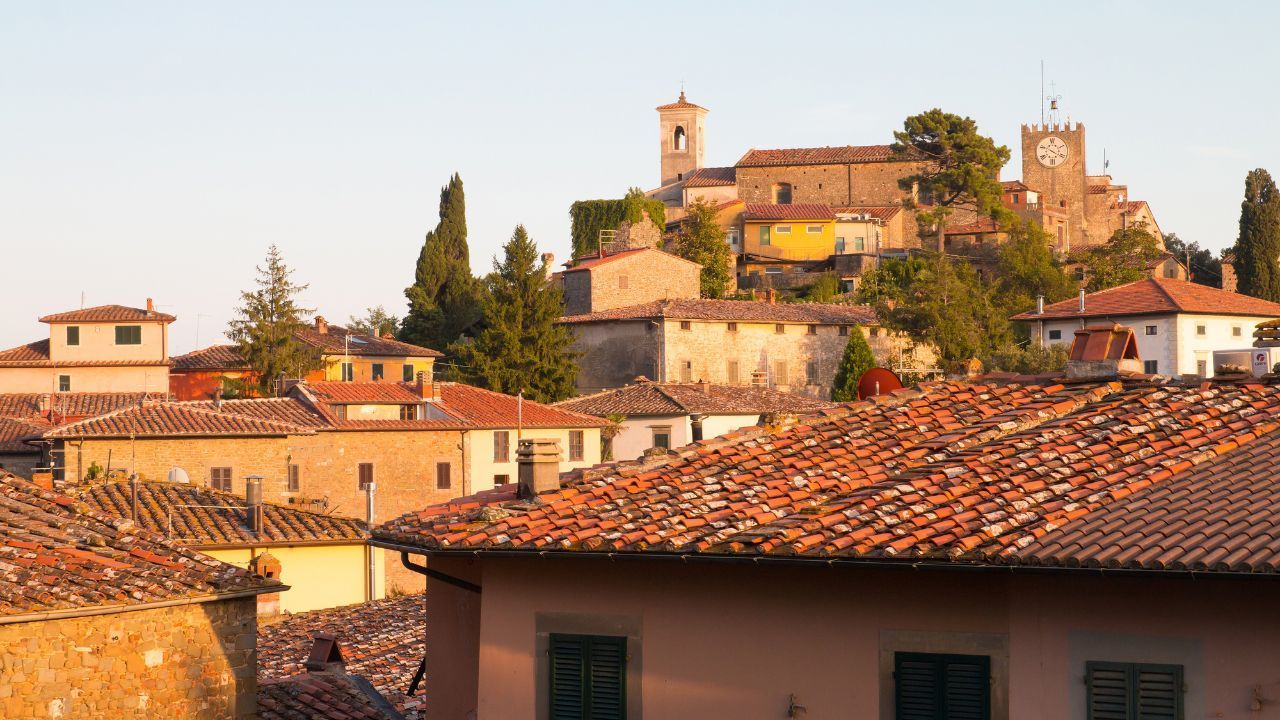
To cap off the experience, you'll visit Montecatini Alto, a hilltop medieval town brimming with history and charm. Explore its ancient fortress ruins, the Romanesque church of San Pietro, and the castle bell tower. The central square offers a variety of quaint restaurants and cafes where you can unwind with a traditional aperitif or dinner.

Don’t forget to ride the Montecatini cable car, an iconic funicular railway dating back to 1898, which gracefully transports visitors between Montecatini Alto and Montecatini Terme.

The ride itself is a piece of history and offers unforgettable views of the valley below.


Montecatini Cable Car: A Journey Through Past and Present

The Montecatini cable car is more than a mode of transportation—it's a heritage treasure. Designed in 1896 by Genoese engineer Alessandro Ferretti, the funicular was inaugurated in 1898 and quickly became a beloved attraction.


Building the Montecatini Cable Car: the Perfect Ending to your EVO Oil Experiences

Construction began in 1897, with workers laying tracks and building viaducts, bridges, and retaining walls. The railway debuted with a festive opening on June 4, 1898, attended by luminaries including composer Giuseppe Verdi. Initially powered by a steam boiler, the system was electrified in 1921, enhancing its efficiency and appeal.

Sadly, WWII brought destruction. On September 2, 1944, retreating forces damaged the infrastructure, halting operations until its restoration in 1949. A second revival occurred in 1982 with the support of the Tuscan Region, which funded renovations and new technologies like a modern control system.


Montecatini Cable Car During Post-War Times

In the post-war boom, Montecatini Terme blossomed into a glamorous destination for health and leisure. Tourists flocked to the spa town, and the Montecatini cable car became a favorite attraction, allowing easy access to the historic "Castello" district.


Though it closed temporarily in 1977 due to modernization challenges, the funicular reopened in 1982, featuring restored carriages and new safety mechanisms. Remarkably, the two original red cars still greet each other mid-journey, their wooden interiors and open balconies offering panoramic views that capture the heart.


Book Your Organic Olive Oil Experience in Montecatini Terme Today

The Organic Olive Oil Experience with pick up from your accommodation in Montecatini Terme is more than a tour—it's an invitation to slow down and savor the essence of Tuscany.

From learning about sustainable farming to tasting liquid gold and riding the historic Montecatini cable car, every moment is steeped in beauty and authenticity.


Don’t miss your chance to explore the Valdinievole region, where tradition, nature, and flavor converge: Our many Food and Wine experiences we offer through Tuscany Daily Tours, will make you discover the authentic spirit of Tuscany.


Book your spot today and let Tuscany Daily Tours guide you on a journey you'll never forget through the amazing flavors of EVO oil and breath-taking landscapes.
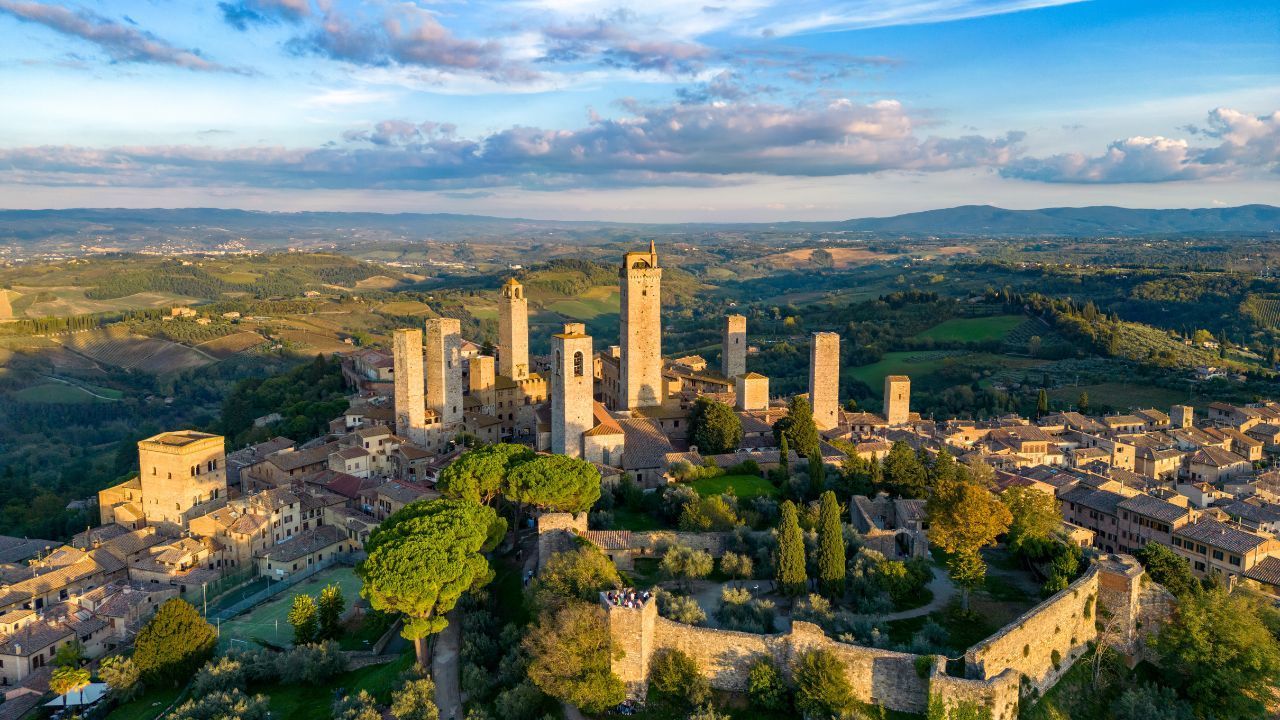
San Gimignano towers at sunset during Tuscany Daily Tours excursion from Montecatini
By Martina Gambardella March 6, 2026
Is San Gimignano worth visiting? Discover what to see and enjoy it on our Siena, Chianti & San Gimignano tour from Montecatini.
Wondering where to stay in Tuscany? Discover the best base
By Martina Gambardella March 6, 2026
Wondering where to stay in Tuscany? Discover the best base to visit Florence, Pisa and Lucca with smart day trips and local insights.
By Martina Gambardella February 26, 2026
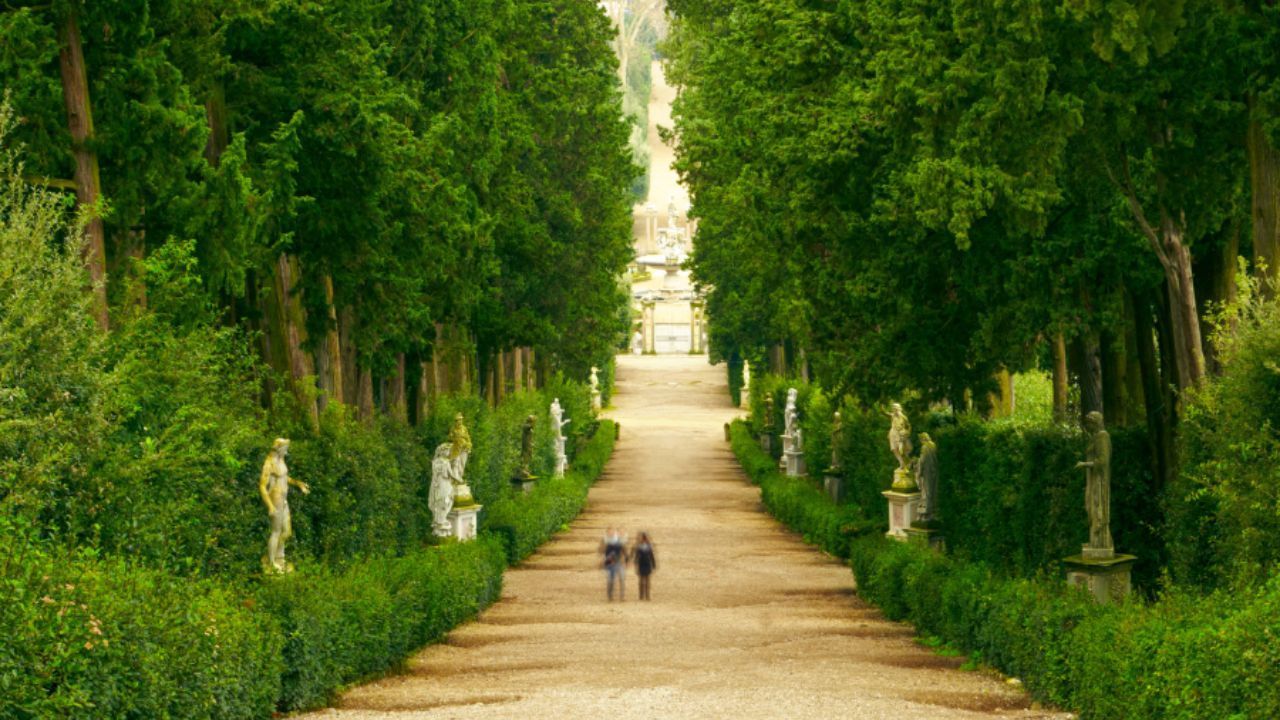
When the sun is shining over Florence and the city glows with warm golden light, there is one place that locals and travelers instinctively choose: the Boboli Gardens . More than a park, Boboli is a place where Florence slows down, where art and nature blend seamlessly, and where a sunny day becomes an unforgettable memory. As a local tour operator who accompanies visitors here every day, we can say with certainty: visiting the Boboli Gardens is one of the best things to do in Florence on a sunny day . How to Get to the Boboli Gardens Getting to the Boboli Gardens is easy, and choosing the right entrance can already shape your experience. The gardens have four main entrances , all located on the Oltrarno side of Florence, each offering a slightly different way to step into this green masterpiece. Main entrances to the Boboli Gardens Palazzo Pitti Entrance The most iconic and commonly used entrance, directly connected to the Pitti Palace. Entering from here feels grand and ceremonial, just as the Medici once intended. Bus lines: C3, C4, 11 Forte di Belvedere Entrance A quieter access point that offers spectacular panoramic views over Florence. Ideal if you want to combine Boboli with one of the city’s most scenic viewpoints. Via Romana – Annalena Gate A lateral and less crowded entrance, perfect for visitors arriving from the southern part of the city or staying near Porta Romana. Bus line: 11 Piazzale di Porta Romana Entrance Located at the end of Via Romana, this entrance provides a more local and relaxed way to enter the gardens. Bus lines: 11, 13, 36, 37 The exit is generally located near Piazza Pitti , making it easy to continue exploring the Oltrarno neighborhood after your visit. Tickets and practical tips Tickets can be purchased online or on site , but booking in advance is strongly recommended, especially during high season, to avoid queues. Prices vary depending on ticket type and exhibitions, with reductions and free entry available for certain categories such as Florence residents, students, and on specific days. The Feeling of Entering Boboli Gardens The moment you step inside the Boboli Gardens, the city seems to disappear. The sounds of Florence fade into the background, replaced by gravel paths underfoot, the murmur of fountains, and the gentle movement of trees shaped centuries ago. On a sunny day, light filters through the greenery, illuminating statues and terraces in a way that feels almost theatrical. Boboli is not a place to rush — it invites you to slow down, wander, and simply breathe. Walking along the alleys designed for these gardens, you can probably have some flashbacks, flashbacks of a time you've never lived. Indeed it’s so easy to imagine princes and princesses, lords and ladies of the upper classes walking with you, hiding with their lovers behind some bushes. You can almost see their clothes, changing from Renaissance to the 18th century to the latest fashion. Can’t you see their farthingales, girdles and sumptuous wigs? And then the scandals, the weapons, and the illegitimate relationships that we know these gardens have hidden. A Garden Born from Power, Art, and Vision Moreover, we know that the history of the Boboli Gardens Florence begins in 1549 , when Eleonora di Toledo , wife of Cosimo I de’ Medici, purchased the Pitti Palace and commissioned the creation of a garden worthy of the most powerful family in the city. The first project was designed by Niccolò Tribolo , later expanded by architects and artists such as Bartolomeo Ammannati , Giorgio Vasari , and Bernardo Buontalenti . Together, they transformed a hillside into the model of the Italian Renaissance garden , where nature is shaped by art, geometry, and symbolism. Boboli was conceived as a space that expressed harmony, order, and Medici authority. Every fountain, statue, and avenue had meaning, celebrating humanity’s ability to shape the natural world. After the Medici dynasty, the Lorraine family enriched the gardens with new botanical elements and scenic viewpoints, adding layers of history without altering their essence. In 1766 , Boboli was opened to the public, turning a private aristocratic retreat into a shared cultural treasure. Today, walking through the gardens feels like moving through centuries of Florentine history — an open-air museum where Renaissance ideals meet Baroque elegance. Exploring the Layout of the Gardens The Boboli Gardens unfold vertically behind the Pitti Palace, climbing gently toward panoramic terraces. Wide gravel paths, hidden groves, manicured hedges, and sudden open views create a landscape designed to surprise and delight. Unlike modern parks, Boboli was meant to impress, guide, and inspire — and it still does. Must-See Highlights Inside Boboli Gardens If you want to make the most of your visit, these are the spots we always recommend: The Amphitheater Located just behind the palace, this space once hosted court performances and celebrations for the Medici family. The Buontalenti Grotto A surreal masterpiece of Mannerist art, filled with artificial stalactites, sculptures, and hidden symbolism. The Fountain of Neptune One of the highest points in the gardens, offering open views and a refreshing atmosphere. The Kaffeehaus Terrace Inspired by Viennese architecture, this terrace offers one of the best panoramic views over Florence , especially beautiful in the afternoon sun. Discover Boboli with a Local Guide: Pitti Palace & Gardens Tour For travelers who want more than a simple walk, we recommend experiencing Boboli with a professional local guide . Our small-group Pitti Palace and Boboli Gardens tour combines: a guided visit to the Palatine Gallery , home to masterpieces by Raphael, Titian, and Caravaggio an in-depth exploration of the Boboli Gardens , uncovering stories, symbols, and hidden corners The tour includes priority entrance tickets and a 24-hour pass that allows you to continue exploring the rest of the Pitti Palace galleries at your own pace. It’s the perfect way to truly understand what you’re seeing — and why it matters. Practical Information: Opening Hours and Ticket Prices Opening hours: Daily: 8.15- 16.30 in January, February, November; 17.30 in March and October (Standard Time); 18.30 in March (DST), April, May, September, October (DST); 19.10 in June, July and August. Closing Day First and Last Monday of the month. 1st of January, 25th of December. Last entry: One hour before closing Ticket Single entrance to the Boboli Gardens Full Price: 10€(With the Boboli Gardens ticket, you can access the Villa Bardini Garden for free). Bookings Entrance reservation for the additional cost of 3€ at the official online ticket office or on +39 055 294883 (Mon-Fri 8.30-18.30 Sat 8.30-12.30). Local Tips for Visiting Boboli Gardens Visit late morning or mid-afternoon for the best light Wear comfortable shoes — paths are gravel and slightly sloped Bring water during summer months Take your time: Boboli is meant to be experienced slowly Why Boboli Gardens Are Perfect on a Sunny Day in Florence Florence can be intense, vibrant, and overwhelming — Boboli is where the city exhales. On a sunny day, there is no better place to reconnect with Florence’s elegance, history, and quiet beauty. That is what a lot of Florentines scholars thought, too. Indeed, Boboli Gardens is famous as the place where boys and girls from high school usually immersed to skip school. This way, it was possible for them to admire their historic value, elegance, and patriotic inestimable value… and of course, skip school (but that was far less relevant). Although this habit is fading (because of school’s digital logs) these gardens keep hiding over time secrets of thousands of florentines: boys, girls, students, noblemans, both from the 20th century and from Reinassence’s era. Once you leave the gardens, remember what you saw — but please, keep these secrets with you!
Siena catedral facade
By Martina Gambardella October 21, 2025
Discover the majesty of the Siena Cathedral with our guided tour: a gothic masterpiece in Tuscany full of history, art, and breathtaking views.
Vasari Corridor
By Martina Gambardella July 29, 2025
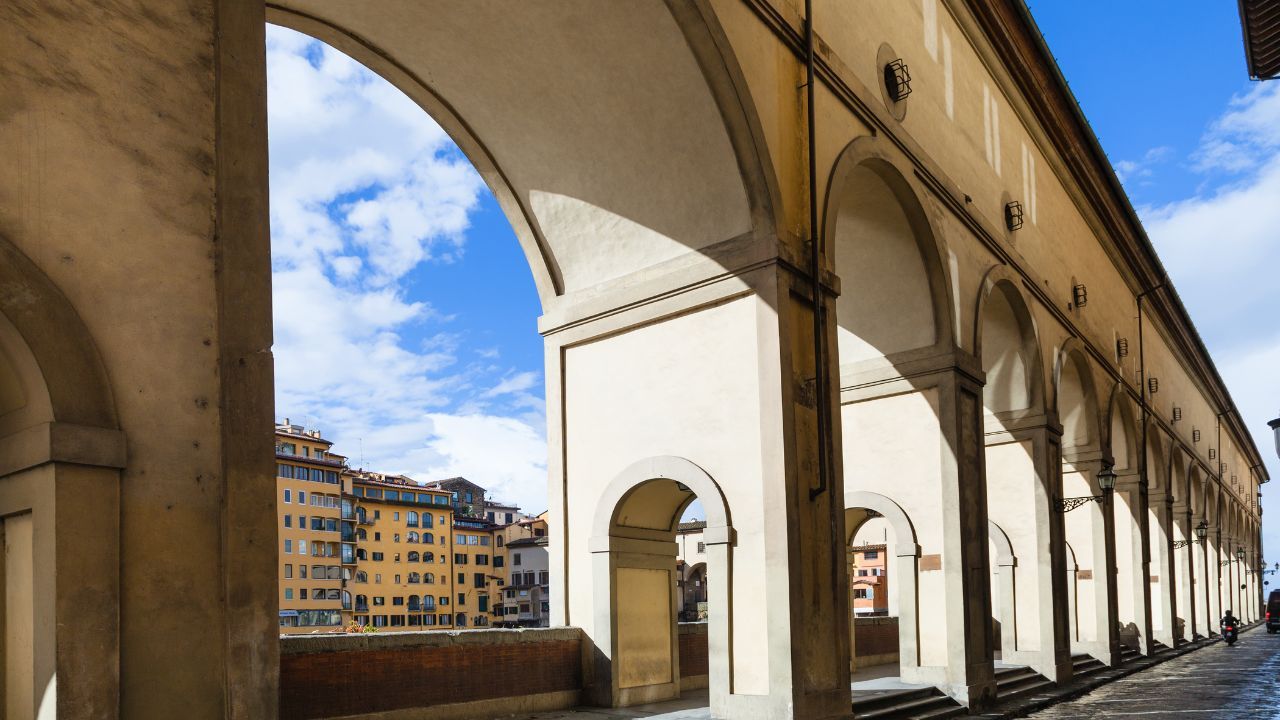
Uncover the Vasari Corridor in Florence: what it is, its fascinating history, the genius of Giorgio Vasari and its link to the Uffizi.
Things to do in Italy Florence in 1 Day
By Martina Gambardella July 22, 2025
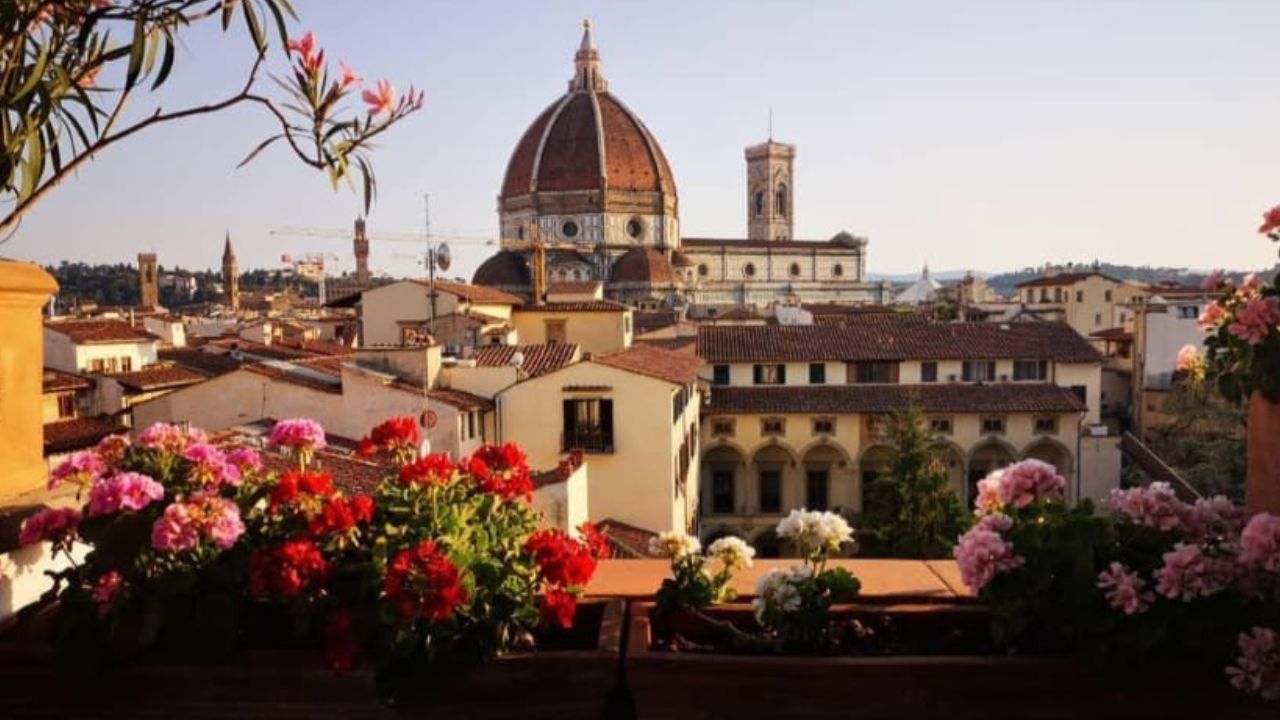
Discover the best things to do in Florence, Italy with our 1-day walking itinerary from Santa Maria Novella. Art, history, food & hidden gems await!
Leonardo da Vinci Sketches
By Martina Gambardella July 10, 2025
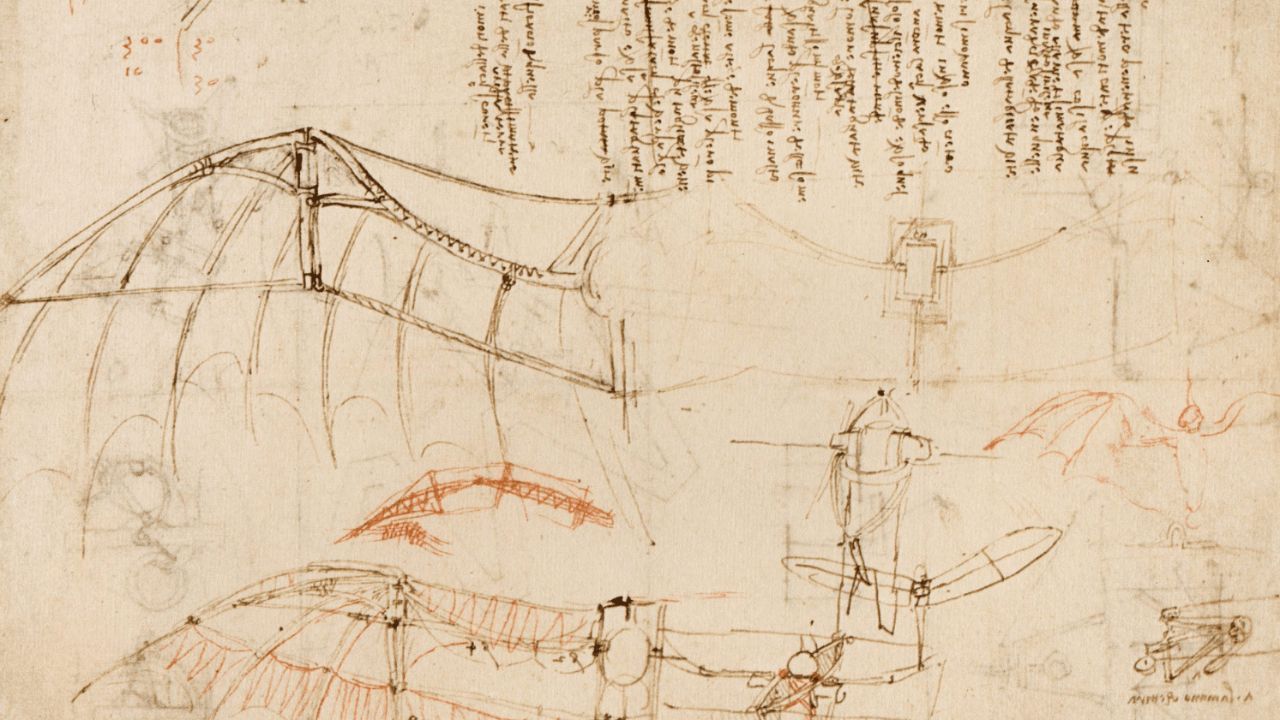
Discover Leonardo da Vinci sketches in Vinci: a Tuscan tour through his birthplace, inventions, and original artworks in a stunning countryside setting.
Tuscan Caves: Inside Grotta Maona
By Martina Gambardella July 9, 2025
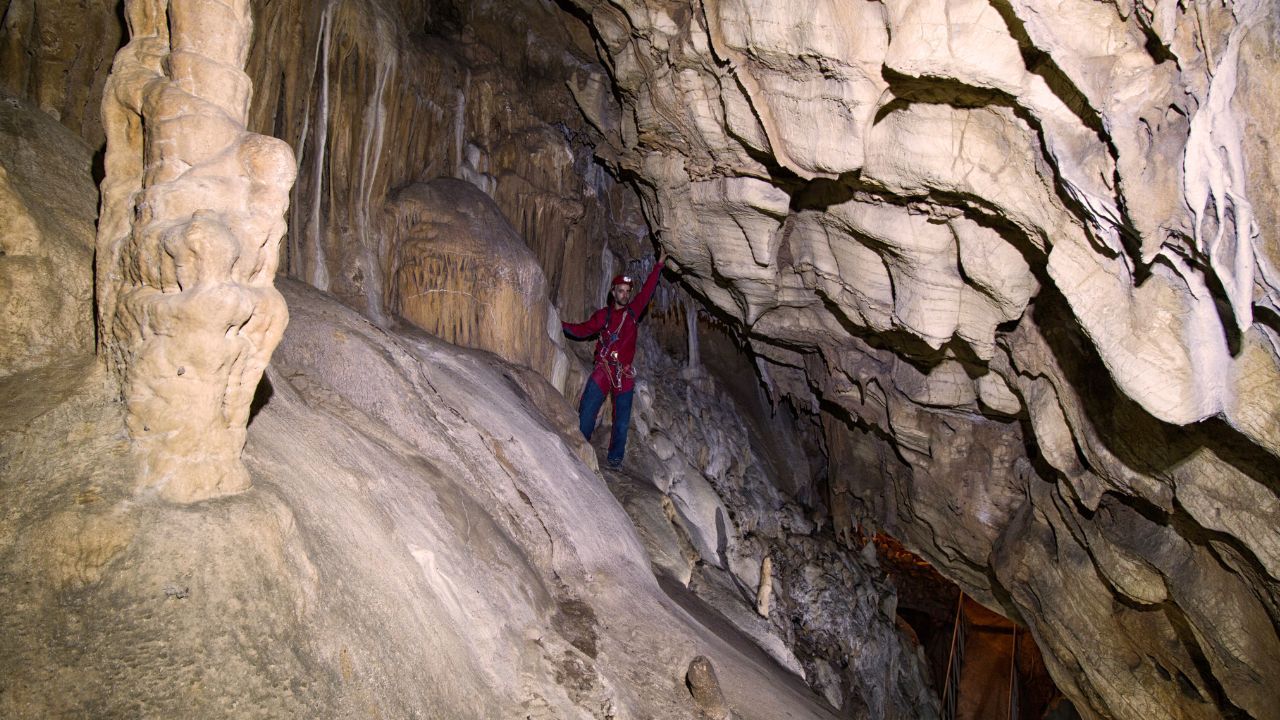
Tuscan caves in Valdinievole are the splendid evidence of nature action. Let us tell you about Grotta Maona's story.
Your tour from Montecatini Terme
By Martina Gambardella July 4, 2025
Explore Tuscany’s heart with an exclusive tour from Montecatini Terme. Discover Vinci, savor wine, and visit Cinque Terre with hotel pickup and local guides.
San Gimignano Tuscany
By Martina Gambardella July 2, 2025
Explore San Gimignano Tuscany: towers, art, and wine in a medieval gem perfect for unforgettable holidays in the Tuscan countryside.