
Siena Cathedral: Where Tuscany Meets Gothic

You're in front of Siena Cathedral. The sun gently warms the ancient stones of Piazza del Duomo, and you're standing alongside a small group of curious travelers.

Together, today, you've chosen to discover one of the most extraordinary gothic churches in Italy. Welcome to the Siena Cathedral. In this article, we invite you to soak in the sacred, majestic atmosphere of this timeless masterpiece before experiencing it in person.


Our Tuscany Daily Tours guide is here to lead you through every detail, and once inside, you’ll have free access to audio guides on your smartphone to explore at your own pace.


Siena Cathedral: A Timeless Gothic Treasure

Here we are, in front of the awe-inspiring Siena Cathedral, also known as the Duomo di Santa Maria Assunta. As you step closer, the dramatic contrasts of white marble and dark green serpentine catch your eye—colours symbolizing Siena’s own coat of arms. It’s impossible not to pause for a moment, your gaze drawn upward to the celestial architecture that towers above you.


"This is more than just a church.It’s a living story carved in marble."


Let’s walk inside together. As soon as you cross the threshold, an overwhelming sense of reverence takes over. The scent of centuries-old stone and candle wax lingers in the air. Your eyes need a moment to adjust to the soft light filtering through stained glass windows—but soon, every detail reveals itself.


Siena Attractions: An Interior of Unparalleled Grandeur

We begin with the floor, often overlooked yet described by Vasari as "the most beautiful, largest and most magnificent ever made".

The marble inlay, or commesso, took centuries to complete—from the 14th century to the 1800s. Imagine it: fifty-six intricate panels crafted by master artists like Domenico Beccafumi and Pinturicchio. Stories from the Old Testament, symbols from pagan antiquity, and allegorical figures stretch beneath your feet in an artistic narrative unlike any other.

Look up now. The pulpit to your left? A sculptural jewel by Nicola Pisano (1265-68). With its storytelling panels, it blends classical Roman inspiration with medieval spirituality. You can see the drama in each relief—the emotion, the power.


Everywhere you look, there’s a masterpiece. Here’s Michelangelo’s Saints—Peter, Paul, Augustine, and Pius—sculpted for the Piccolomini Altar. Just a few steps further, Donatello’s Saint John the Baptist stands with eternal dignity.

And yes, that’s Gian Lorenzo Bernini’s touch in the Chigi Chapel, where Mary Magdalene and Saint Jerome bring Baroque emotion into this gothic sanctuary.


Gothic Churches at Their Finest: The Architecture of Awe

As you are probably thinking right now,  Siena Cathedral is more than a collection of artworks.

It’s one of the most remarkable gothic churches in Europe, and its design is pure drama. The striped marble columns echo throughout the Latin cross floor plan, each pillar a rhythm in this visual symphony.


Meanwhile approaching to the dome, you should probably  look up.

Completed in 1263, it soars above us, resting on six irregular hexagonal pillars. Light filters through twelve stained glass windows, each depicting an Apostle. In this moment, you can feel the balance between human artistry and divine inspiration.


Let’s pause at the magnificent high altar. Here, centuries of faith and artistic endeavor meet in sacred harmony.


The Façade: A Gothic Welcome

Stepping back outside for a moment, let’s admire the façade—a masterpiece in itself.


Designed initially by Giovanni Pisano, it’s a riot of gothic sculpture: prophets, philosophers, and sibyls gaze down, frozen in animated gestures. These were crafted to be seen from below, their heads tilted forward for maximum visual impact.

Above the central portal, a rose window glows—an intricate stained glass depiction of the Last Supper by Pastorino de' Pastorini. Crowning the structure, golden mosaics shimmer: the Presentation of the Virgin, the Nativity, and the Coronation.


This wasn’t just architecture—it was Siena’s message to the world: we are powerful, pious, and artistically unmatched.


Porta del Cielo: Touch the Sky

Now let me take you to a secret space.

Through a special guided route called the Porta del Cielo, you’ll climb hidden staircases used only by cathedral workers for centuries.

Here, walking above the starry vaults, you’re quite literally treading the path to heaven.

From these elevated walkways, the view inside the Siena Cathedral is breathtaking. Outside, Siena's terracotta roofs stretch to the Tuscan hills.

It’s a moment you won’t forget.


The Complex: More Than Just a Cathedral

The Siena Cathedral isn’t a stand-alone monument. It’s part of a larger sacred complex. Your visit can include:

  • The Piccolomini Library, with its brilliantly coloured frescoes by Pinturicchio
  • The Crypt, where medieval frescoes glow with vivid colour
  • The Baptistery of San Giovanni, home to Renaissance sculpture
  • The Museum of the Opera del Duomo, which holds original statues from the façade
  • The Facciatone viewpoint, offering stunning panoramic views

Each element adds layers to your understanding of Siena’s faith, history, and ambition. Would you dare exploring this majestic complex?


Opening Hours

Here are the most updated visiting hours for the Siena Cathedral and its monumental complex:

4 Nov – 24 Dec 2024 & 8 Jan – 30 Mar 2025
10:30 – 17:30 (Holidays: 13:30 – 17:30)

26 Dec – 7 Jan 2025 & 31 Mar – 2 Nov 2025
10:00 – 19:00 (Museum opens at 9:30)
Holidays: 13:30 – 18:00

Pavement Uncovered: 27 Jun – 31 Jul & 18 Aug – 15 Oct 2025
10:00 – 19:00 (Museum opens at 9:30)

Porta del Cielo: Open from 1 Mar to 6 Jan, following Cathedral hours.

Remember: Last admission is 30 minutes before closing.


Tickets

Full price: €21 (1 Mar – 6 Jan)
Reduced (Children 7-11):
€6
Free:
Children up to 6 years

Important: Always review visitor regulations before your tour.

Free smartphone audio guide available.


Tips from Your Tuscany Daily Tours Guide

Before you enter, here are a few tips from your Tuscany Daily Tours guide to make your visit unforgettable.


First of all, download the audio guide. This way, once you step inside, you can dive right into the experience without interruptions.

Make sure to wear comfortable shoes. The marble floor can be a little slippery in some spots, and you’ll want to explore every corner without distraction.


If you're dreaming of walking the Porta del Cielo route, remember that access is limited.

Book early to secure your spot—it's absolutely worth it.

Try to visit early in the morning. Not only is the cathedral less crowded, but the light is gentler, casting soft rays through the stained glass and illuminating the interiors in a magical way.

And most importantly: take your time. Sit for a while on one of the benches. Breathe in the silence, look around, and let yourself be carried away by the centuries of art, devotion, and history that surround you. The Duomo isn't just a place to see—it's a place to feel.


What to Do Near Siena

After visiting the Siena Cathedral, discover the beauty of Tuscany with our exclusive Tuscany Daily Tours:


Ready to step into the sacred, the majestic, and the unforgettable?

Visit www.tuscanydailytours.it and book your journey to Siena Cathedral today. Your Tuscan adventure awaits!
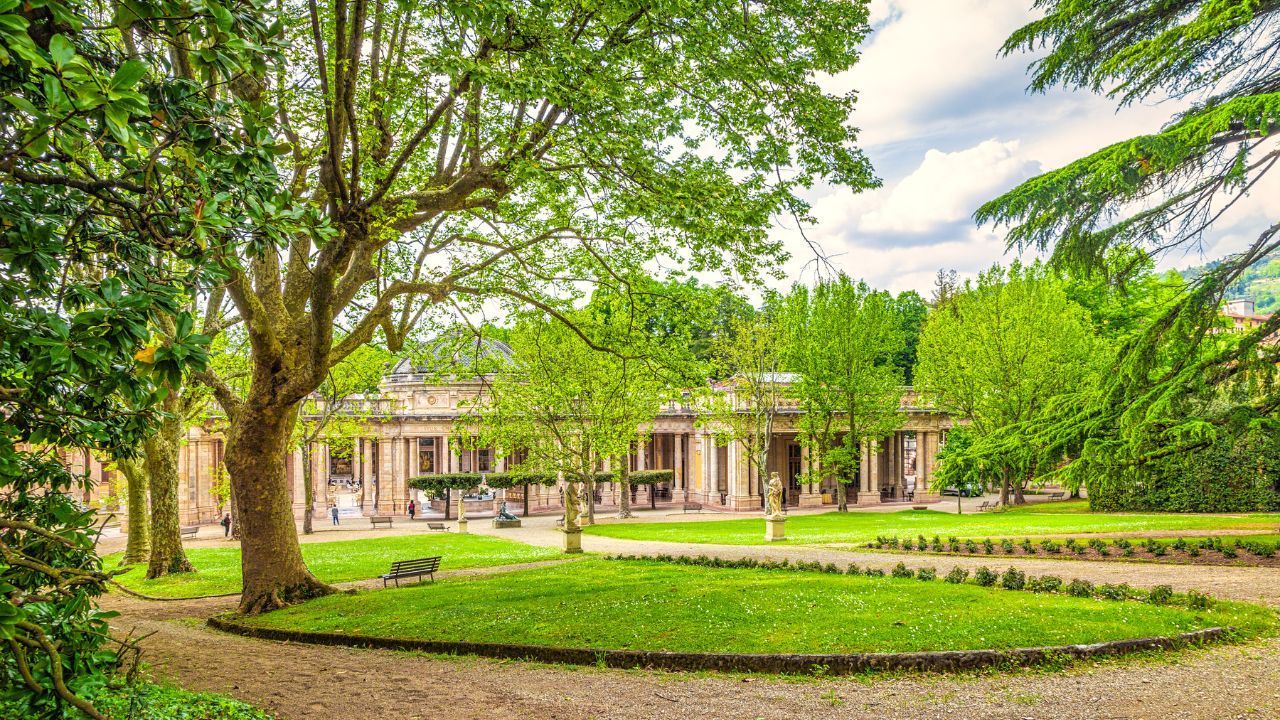
Why Montecatini Is the Smartest Base to Explore Tuscany: Terme Tettuccio in Montecatini
By Martina Gambardella April 10, 2026
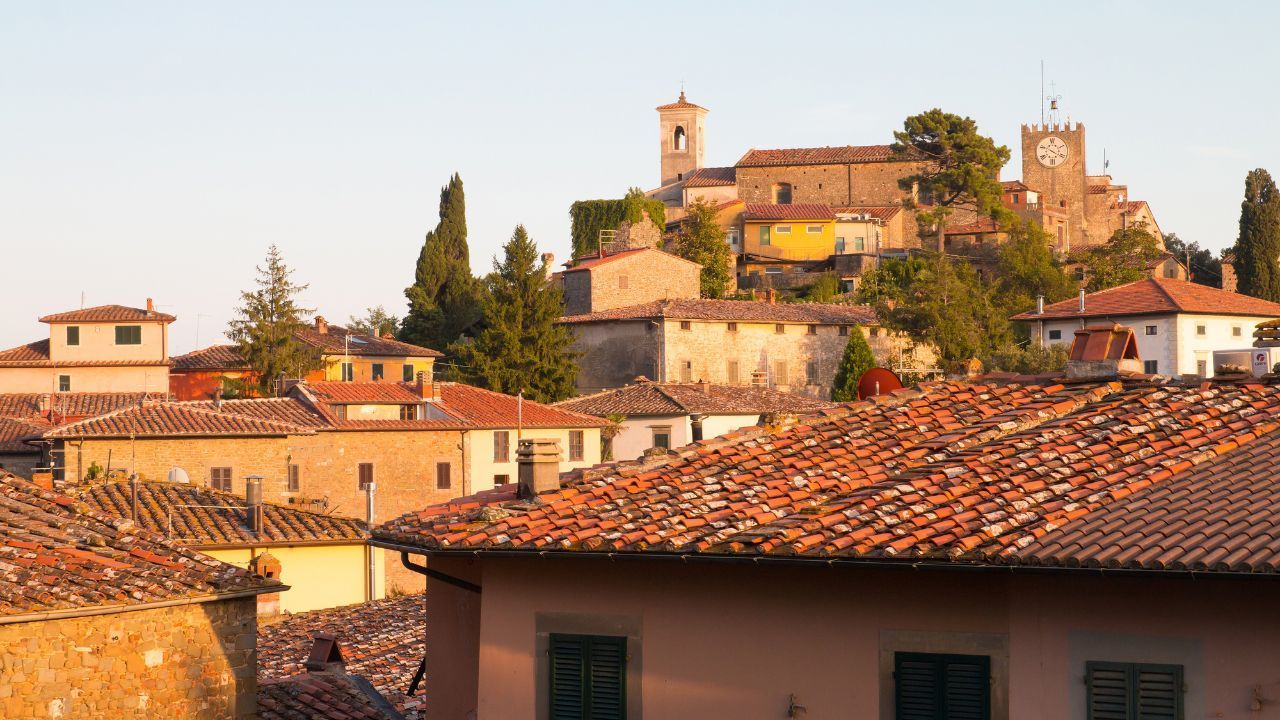
Discover why Montecatini is the smartest base to explore Tuscany. Find out Ranieri Tour Operator's tours for small groups starting from here and visit Tuscany
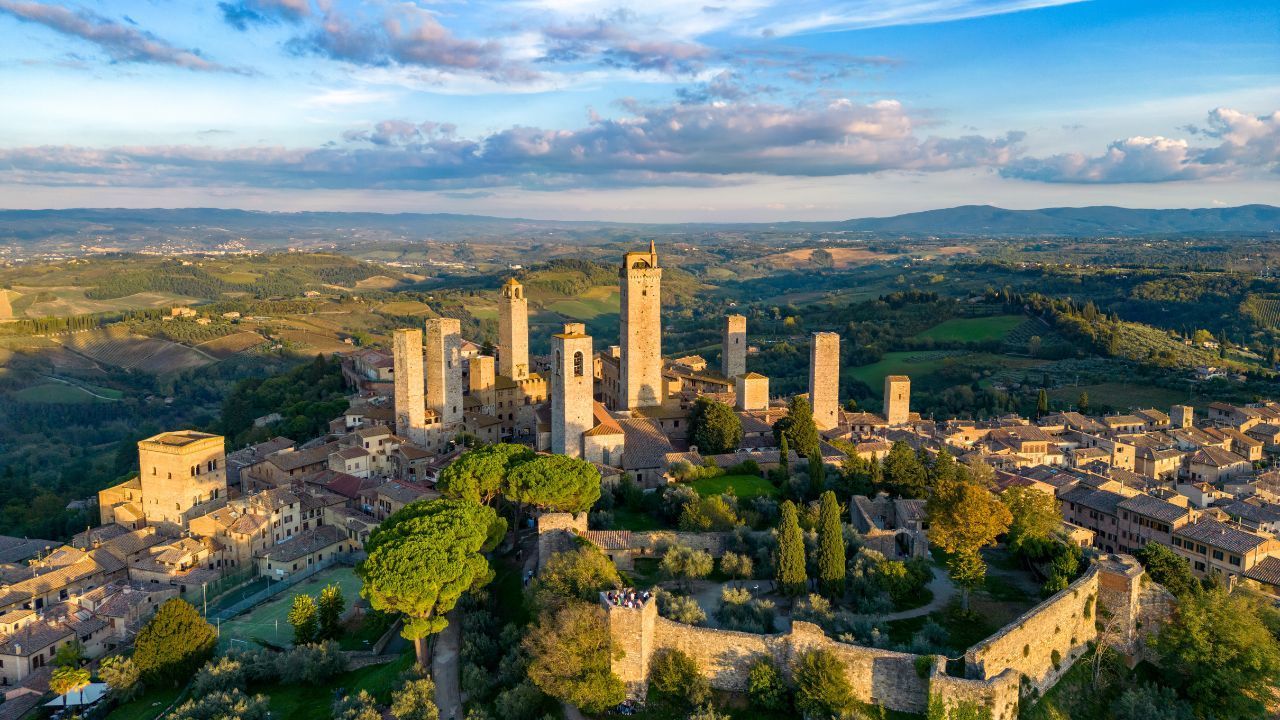
San Gimignano towers at sunset during Tuscany Daily Tours excursion from Montecatini
By Martina Gambardella March 6, 2026
Is San Gimignano worth visiting? Discover what to see and enjoy it on our Siena, Chianti & San Gimignano tour from Montecatini.
Wondering where to stay in Tuscany? Discover the best base
By Martina Gambardella March 6, 2026
Wondering where to stay in Tuscany? Discover the best base to visit Florence, Pisa and Lucca with smart day trips and local insights.
By Martina Gambardella February 26, 2026
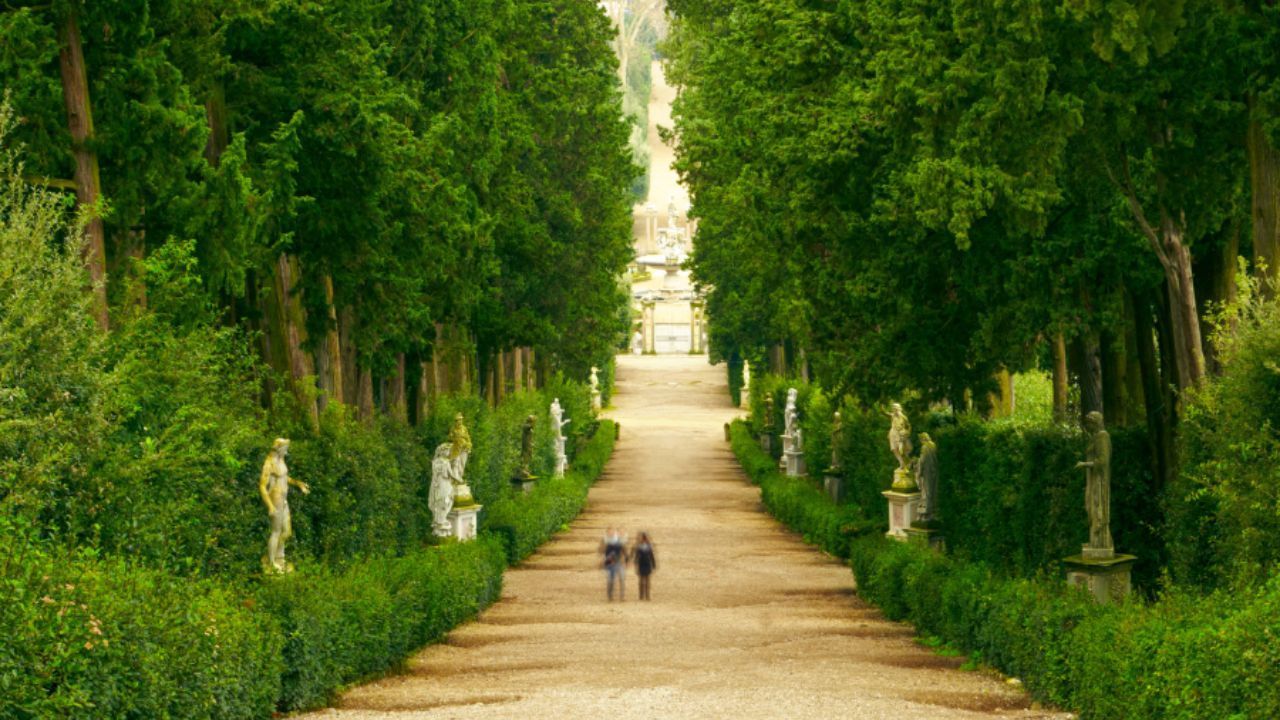
When the sun is shining over Florence and the city glows with warm golden light, there is one place that locals and travelers instinctively choose: the Boboli Gardens . More than a park, Boboli is a place where Florence slows down, where art and nature blend seamlessly, and where a sunny day becomes an unforgettable memory. As a local tour operator who accompanies visitors here every day, we can say with certainty: visiting the Boboli Gardens is one of the best things to do in Florence on a sunny day . How to Get to the Boboli Gardens Getting to the Boboli Gardens is easy, and choosing the right entrance can already shape your experience. The gardens have four main entrances , all located on the Oltrarno side of Florence, each offering a slightly different way to step into this green masterpiece. Main entrances to the Boboli Gardens Palazzo Pitti Entrance The most iconic and commonly used entrance, directly connected to the Pitti Palace. Entering from here feels grand and ceremonial, just as the Medici once intended. Bus lines: C3, C4, 11 Forte di Belvedere Entrance A quieter access point that offers spectacular panoramic views over Florence. Ideal if you want to combine Boboli with one of the city’s most scenic viewpoints. Via Romana – Annalena Gate A lateral and less crowded entrance, perfect for visitors arriving from the southern part of the city or staying near Porta Romana. Bus line: 11 Piazzale di Porta Romana Entrance Located at the end of Via Romana, this entrance provides a more local and relaxed way to enter the gardens. Bus lines: 11, 13, 36, 37 The exit is generally located near Piazza Pitti , making it easy to continue exploring the Oltrarno neighborhood after your visit. Tickets and practical tips Tickets can be purchased online or on site , but booking in advance is strongly recommended, especially during high season, to avoid queues. Prices vary depending on ticket type and exhibitions, with reductions and free entry available for certain categories such as Florence residents, students, and on specific days. The Feeling of Entering Boboli Gardens The moment you step inside the Boboli Gardens, the city seems to disappear. The sounds of Florence fade into the background, replaced by gravel paths underfoot, the murmur of fountains, and the gentle movement of trees shaped centuries ago. On a sunny day, light filters through the greenery, illuminating statues and terraces in a way that feels almost theatrical. Boboli is not a place to rush — it invites you to slow down, wander, and simply breathe. Walking along the alleys designed for these gardens, you can probably have some flashbacks, flashbacks of a time you've never lived. Indeed it’s so easy to imagine princes and princesses, lords and ladies of the upper classes walking with you, hiding with their lovers behind some bushes. You can almost see their clothes, changing from Renaissance to the 18th century to the latest fashion. Can’t you see their farthingales, girdles and sumptuous wigs? And then the scandals, the weapons, and the illegitimate relationships that we know these gardens have hidden. A Garden Born from Power, Art, and Vision Moreover, we know that the history of the Boboli Gardens Florence begins in 1549 , when Eleonora di Toledo , wife of Cosimo I de’ Medici, purchased the Pitti Palace and commissioned the creation of a garden worthy of the most powerful family in the city. The first project was designed by Niccolò Tribolo , later expanded by architects and artists such as Bartolomeo Ammannati , Giorgio Vasari , and Bernardo Buontalenti . Together, they transformed a hillside into the model of the Italian Renaissance garden , where nature is shaped by art, geometry, and symbolism. Boboli was conceived as a space that expressed harmony, order, and Medici authority. Every fountain, statue, and avenue had meaning, celebrating humanity’s ability to shape the natural world. After the Medici dynasty, the Lorraine family enriched the gardens with new botanical elements and scenic viewpoints, adding layers of history without altering their essence. In 1766 , Boboli was opened to the public, turning a private aristocratic retreat into a shared cultural treasure. Today, walking through the gardens feels like moving through centuries of Florentine history — an open-air museum where Renaissance ideals meet Baroque elegance. Exploring the Layout of the Gardens The Boboli Gardens unfold vertically behind the Pitti Palace, climbing gently toward panoramic terraces. Wide gravel paths, hidden groves, manicured hedges, and sudden open views create a landscape designed to surprise and delight. Unlike modern parks, Boboli was meant to impress, guide, and inspire — and it still does. Must-See Highlights Inside Boboli Gardens If you want to make the most of your visit, these are the spots we always recommend: The Amphitheater Located just behind the palace, this space once hosted court performances and celebrations for the Medici family. The Buontalenti Grotto A surreal masterpiece of Mannerist art, filled with artificial stalactites, sculptures, and hidden symbolism. The Fountain of Neptune One of the highest points in the gardens, offering open views and a refreshing atmosphere. The Kaffeehaus Terrace Inspired by Viennese architecture, this terrace offers one of the best panoramic views over Florence , especially beautiful in the afternoon sun. Discover Boboli with a Local Guide: Pitti Palace & Gardens Tour For travelers who want more than a simple walk, we recommend experiencing Boboli with a professional local guide . Our small-group Pitti Palace and Boboli Gardens tour combines: a guided visit to the Palatine Gallery , home to masterpieces by Raphael, Titian, and Caravaggio an in-depth exploration of the Boboli Gardens , uncovering stories, symbols, and hidden corners The tour includes priority entrance tickets and a 24-hour pass that allows you to continue exploring the rest of the Pitti Palace galleries at your own pace. It’s the perfect way to truly understand what you’re seeing — and why it matters. Practical Information: Opening Hours and Ticket Prices Opening hours: Daily: 8.15- 16.30 in January, February, November; 17.30 in March and October (Standard Time); 18.30 in March (DST), April, May, September, October (DST); 19.10 in June, July and August. Closing Day First and Last Monday of the month. 1st of January, 25th of December. Last entry: One hour before closing Ticket Single entrance to the Boboli Gardens Full Price: 10€(With the Boboli Gardens ticket, you can access the Villa Bardini Garden for free). Bookings Entrance reservation for the additional cost of 3€ at the official online ticket office or on +39 055 294883 (Mon-Fri 8.30-18.30 Sat 8.30-12.30). Local Tips for Visiting Boboli Gardens Visit late morning or mid-afternoon for the best light Wear comfortable shoes — paths are gravel and slightly sloped Bring water during summer months Take your time: Boboli is meant to be experienced slowly Why Boboli Gardens Are Perfect on a Sunny Day in Florence Florence can be intense, vibrant, and overwhelming — Boboli is where the city exhales. On a sunny day, there is no better place to reconnect with Florence’s elegance, history, and quiet beauty. That is what a lot of Florentines scholars thought, too. Indeed, Boboli Gardens is famous as the place where boys and girls from high school usually immersed to skip school. This way, it was possible for them to admire their historic value, elegance, and patriotic inestimable value… and of course, skip school (but that was far less relevant). Although this habit is fading (because of school’s digital logs) these gardens keep hiding over time secrets of thousands of florentines: boys, girls, students, noblemans, both from the 20th century and from Reinassence’s era. Once you leave the gardens, remember what you saw — but please, keep these secrets with you!
Vasari Corridor
By Martina Gambardella July 29, 2025
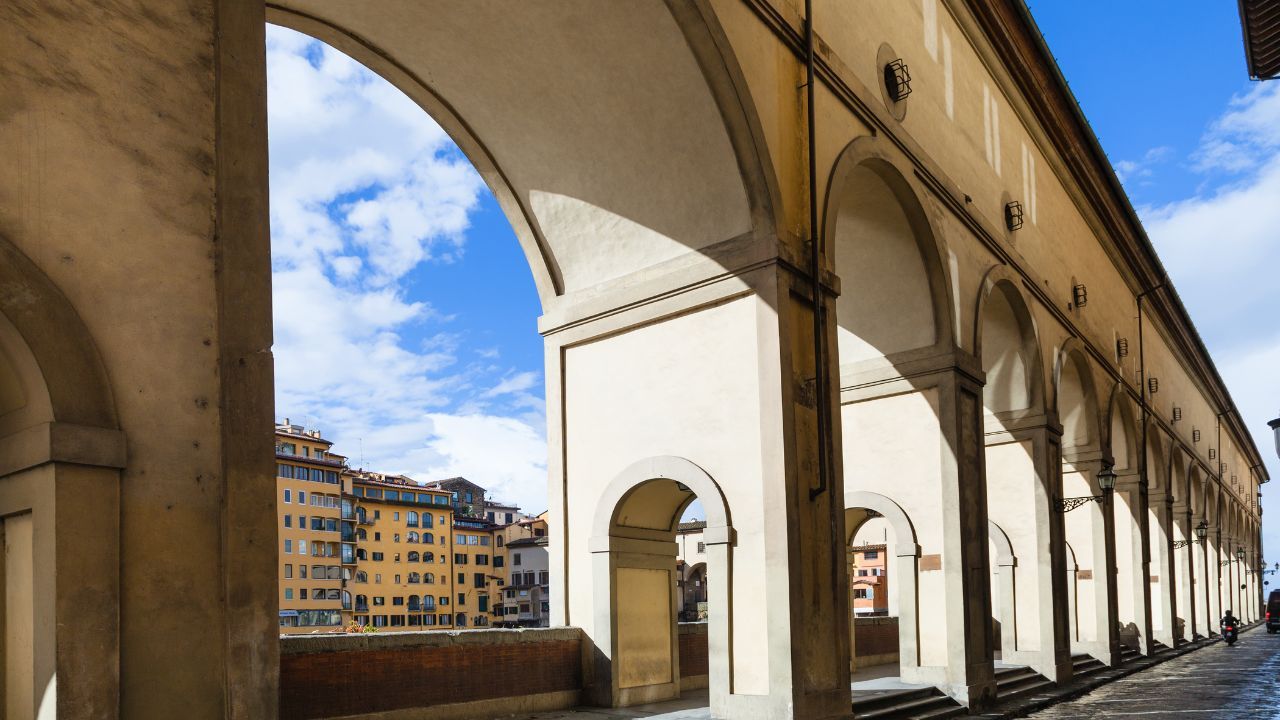
Uncover the Vasari Corridor in Florence: what it is, its fascinating history, the genius of Giorgio Vasari and its link to the Uffizi.
Things to do in Italy Florence in 1 Day
By Martina Gambardella July 22, 2025
Discover the best things to do in Florence, Italy with our 1-day walking itinerary from Santa Maria Novella. Art, history, food & hidden gems await!
Leonardo da Vinci Sketches
By Martina Gambardella July 10, 2025
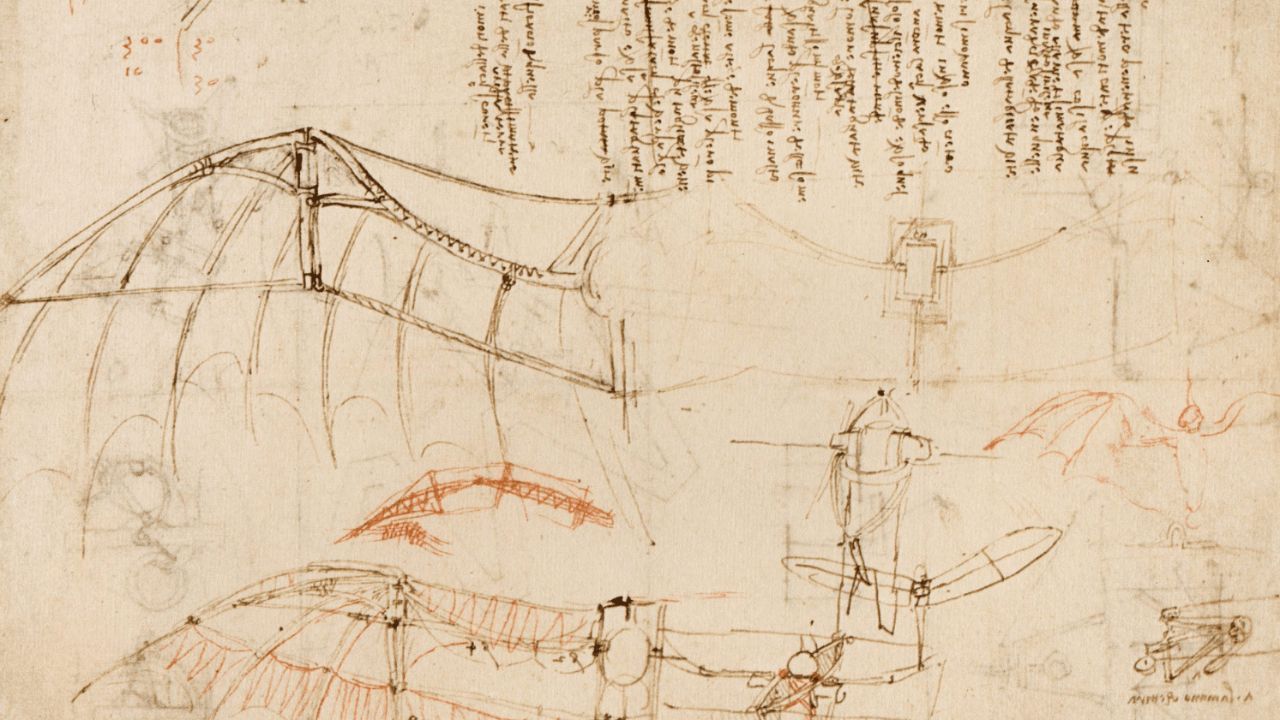
Discover Leonardo da Vinci sketches in Vinci: a Tuscan tour through his birthplace, inventions, and original artworks in a stunning countryside setting.
Tuscan Caves: Inside Grotta Maona
By Martina Gambardella July 9, 2025
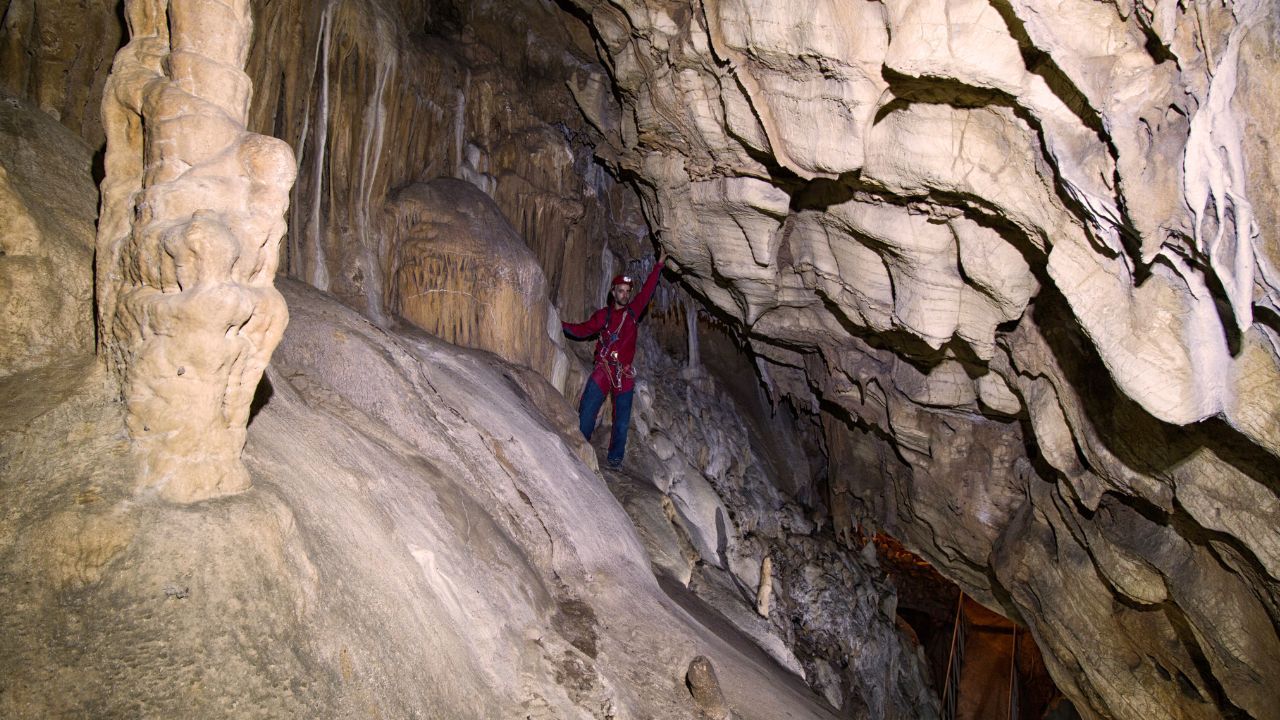
Tuscan caves in Valdinievole are the splendid evidence of nature action. Let us tell you about Grotta Maona's story.
Your tour from Montecatini Terme
By Martina Gambardella July 4, 2025
Explore Tuscany’s heart with an exclusive tour from Montecatini Terme. Discover Vinci, savor wine, and visit Cinque Terre with hotel pickup and local guides.
San Gimignano Tuscany
By Martina Gambardella July 2, 2025
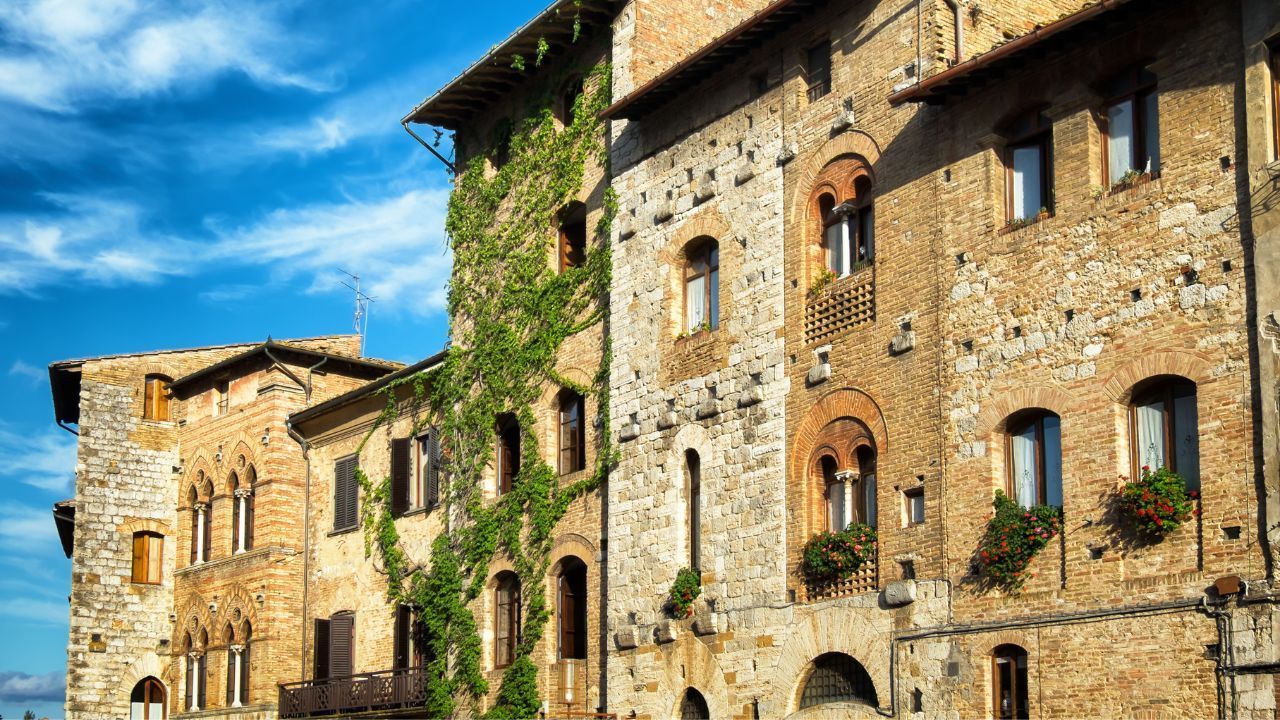
Explore San Gimignano Tuscany: towers, art, and wine in a medieval gem perfect for unforgettable holidays in the Tuscan countryside.