
Boboli Gardens Florence: The Perfect Sunny-Day Escape in the City
When the sun is shining over Florence and the city glows with warm golden light, there is one place that locals and travelers instinctively choose:
the Boboli Gardens.
More than a park, Boboli is a place where Florence slows down, where art and nature blend seamlessly, and where a sunny day becomes an unforgettable memory.
As a local tour operator who accompanies visitors here every day, we can say with certainty: visiting the Boboli Gardens is one of the best things to do in Florence on a sunny day.
How to Get to the Boboli Gardens
Getting to the Boboli Gardens is easy, and choosing the right entrance can already shape your experience.
The gardens have
four main entrances, all located on the Oltrarno side of Florence, each offering a slightly different way to step into this green masterpiece.
Main entrances to the Boboli Gardens
- Palazzo Pitti Entrance
The most iconic and commonly used entrance, directly connected to the Pitti Palace. Entering from here feels grand and ceremonial, just as the Medici once intended.
Bus lines: C3, C4, 11 - Forte di Belvedere Entrance
A quieter access point that offers spectacular panoramic views over Florence. Ideal if you want to combine Boboli with one of the city’s most scenic viewpoints. - Via Romana – Annalena Gate
A lateral and less crowded entrance, perfect for visitors arriving from the southern part of the city or staying near Porta Romana.
Bus line: 11 - Piazzale di Porta Romana Entrance
Located at the end of Via Romana, this entrance provides a more local and relaxed way to enter the gardens.
Bus lines: 11, 13, 36, 37
The exit is generally located near Piazza Pitti, making it easy to continue exploring the Oltrarno neighborhood after your visit.
Tickets and practical tips
Tickets can be purchased online or on site, but booking in advance is strongly recommended, especially during high season, to avoid queues. Prices vary depending on ticket type and exhibitions, with reductions and free entry available for certain categories such as Florence residents, students, and on specific days.
The Feeling of Entering Boboli Gardens
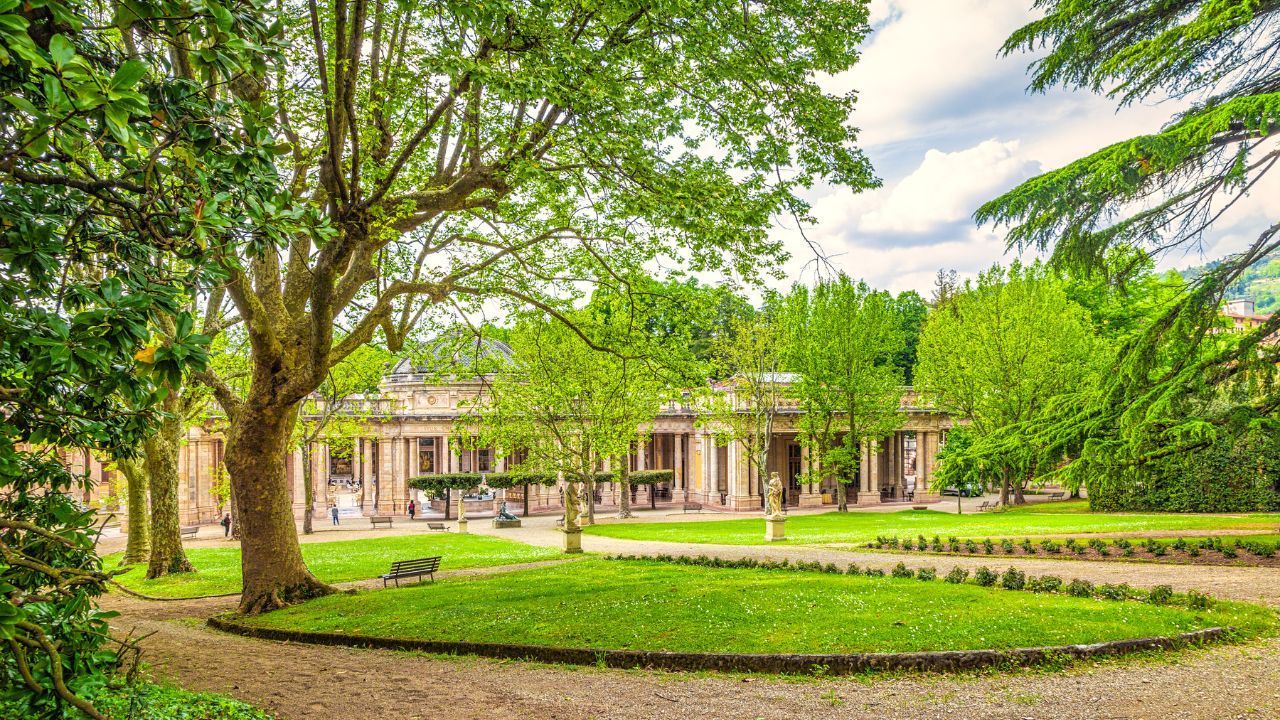
The moment you step inside the Boboli Gardens, the city seems to disappear.
The sounds of Florence fade into the background, replaced by gravel paths underfoot, the murmur of fountains, and the gentle movement of trees shaped centuries ago.
On a sunny day, light filters through the greenery, illuminating statues and terraces in a way that feels almost theatrical. Boboli is not a place to rush — it invites you to slow down, wander, and simply breathe.
Walking along the alleys designed for these gardens, you can probably have some flashbacks, flashbacks of a time you've never lived.
Indeed it’s so easy to imagine princes and princesses, lords and ladies of the upper classes walking with you, hiding with their lovers behind some bushes. You can almost see their clothes, changing from Renaissance to the 18th century to the latest fashion. Can’t you see their farthingales, girdles and sumptuous wigs?
And then the scandals, the weapons, and the illegitimate relationships that we know these gardens have hidden.
A Garden Born from Power, Art, and Vision
Moreover, we know that the history of the Boboli Gardens Florence begins in 1549, when Eleonora di Toledo, wife of Cosimo I de’ Medici, purchased the Pitti Palace and commissioned the creation of a garden worthy of the most powerful family in the city.
The first project was designed by Niccolò Tribolo, later expanded by architects and artists such as Bartolomeo Ammannati, Giorgio Vasari, and Bernardo Buontalenti. Together, they transformed a hillside into the model of the Italian Renaissance garden, where nature is shaped by art, geometry, and symbolism.
Boboli was conceived as a space that expressed harmony, order, and Medici authority. Every fountain, statue, and avenue had meaning, celebrating humanity’s ability to shape the natural world.
After the Medici dynasty, the Lorraine family enriched the gardens with new botanical elements and scenic viewpoints, adding layers of history without altering their essence. In 1766, Boboli was opened to the public, turning a private aristocratic retreat into a shared cultural treasure.
Today, walking through the gardens feels like moving through centuries of Florentine history — an open-air museum where Renaissance ideals meet Baroque elegance.
Exploring the Layout of the Gardens
The Boboli Gardens unfold vertically behind the Pitti Palace, climbing gently toward panoramic terraces.
Wide gravel paths, hidden groves, manicured hedges, and sudden open views create a landscape designed to surprise and delight.
Unlike modern parks, Boboli was meant to impress, guide, and inspire — and it still does.
Must-See Highlights Inside Boboli Gardens
If you want to make the most of your visit, these are the spots we always recommend:
The Amphitheater
Located just behind the palace, this space once hosted court performances and celebrations for the Medici family.
The Buontalenti Grotto
A surreal masterpiece of Mannerist art, filled with artificial stalactites, sculptures, and hidden symbolism.
The Fountain of Neptune
One of the highest points in the gardens, offering open views and a refreshing atmosphere.
The Kaffeehaus Terrace
Inspired by Viennese architecture, this terrace offers one of the best panoramic views over Florence, especially beautiful in the afternoon sun.
Discover Boboli with a Local Guide: Pitti Palace & Gardens Tour
For travelers who want more than a simple walk, we recommend experiencing Boboli with a professional local guide.
Our small-group Pitti Palace and Boboli Gardens tour combines:
- a guided visit to the
Palatine Gallery, home to masterpieces by Raphael, Titian, and Caravaggio
- an in-depth exploration of the
Boboli Gardens, uncovering stories, symbols, and hidden corners
The tour includes priority entrance tickets and a 24-hour pass that allows you to continue exploring the rest of the Pitti Palace galleries at your own pace.
It’s the perfect way to truly understand what you’re seeing — and why it matters.
Practical Information: Opening Hours and Ticket Prices
- Opening hours: Daily: 8.15- 16.30 in January, February, November; 17.30 in March and October (Standard Time); 18.30 in March (DST), April, May, September, October (DST); 19.10 in June, July and August.
- Closing Day
First and Last Monday of the month.
1st of January, 25th of December. - Last entry: One hour before closing
- Ticket
Single entrance to the Boboli Gardens Full Price: 10€(With the Boboli Gardens ticket, you can access the Villa Bardini Garden for free). - Bookings
Entrance reservation for the additional cost of 3€ at the official online ticket office or on +39 055 294883 (Mon-Fri 8.30-18.30 Sat 8.30-12.30).
Local Tips for Visiting Boboli Gardens
- Visit late morning or mid-afternoon for the best light
- Wear comfortable shoes — paths are gravel and slightly sloped
- Bring water during summer months
- Take your time: Boboli is meant to be experienced slowly
Why Boboli Gardens Are Perfect on a Sunny Day in Florence
Florence can be intense, vibrant, and overwhelming — Boboli is where the city exhales.
On a sunny day, there is no better place to reconnect with Florence’s elegance, history, and quiet beauty.
That is what a lot of Florentines scholars thought, too.
Indeed, Boboli Gardens is famous as the place where boys and girls from high school usually immersed to skip school.
This way, it was possible for them to admire their historic value, elegance, and patriotic inestimable value… and of course, skip school (but that was far less relevant).
Although this habit is fading (because of school’s digital logs) these gardens keep hiding over time secrets of thousands of florentines: boys, girls, students, noblemans, both from the 20th century and from Reinassence’s era.
Once you leave the gardens, remember what you saw — but please, keep these secrets with you!