
Where to Stay in Tuscany to Explore Florence, Pisa and Lucca

Where to stay in Tuscany if you want to see more than Florence

If you’re planning a trip to Tuscany, one of the first questions you’ll face is where to stay.


Most travelers immediately think of Florence — and for good reason. It’s one of the most beautiful art cities in the world.
But if your goal is to
explore Tuscany, not just visit Florence, the answer is a bit more nuanced.


From our daily experience working with travelers here in Tuscany, we’ve learned one thing very clearly:

where you stay will shape how much of Tuscany you actually get to see — and how relaxed your trip will feel.


In this article, we’ll help you understand where to stay in Tuscany if you want to visit Florence, Pisa, Lucca and nearby towns, without rushing, changing hotels every night, or spending hours stuck in traffic.


Is Florence always the best place to stay in Tuscany?


Florence is an extraordinary city. Staying there makes sense if:

  • your trip is very short (1–2 nights), or
  • your focus is mainly on museums, art and Renaissance history.

However, when Florence becomes your base for exploring Tuscany, some practical issues often emerge — especially for first-time visitors.

From what we see every season, travelers staying in Florence often struggle with:

  • heavy crowds almost all year round
  • higher hotel prices
  • long day trips that require backtracking
  • complicated traffic rules and limited parking

Many guests tell us afterwards: “We loved Florence, but we wish we had chosen a quieter base.”


What makes a good base to explore Tuscany?

If you want to visit multiple destinations, a good base in Tuscany should offer:


  • Easy train connections
  • A central location
  • Simple logistics for day trips
  • A relaxed atmosphere at the end of the day

This is exactly why many experienced travelers — especially couples from the UK, Northern Europe, the USA and Canada — choose Montecatini Terme.


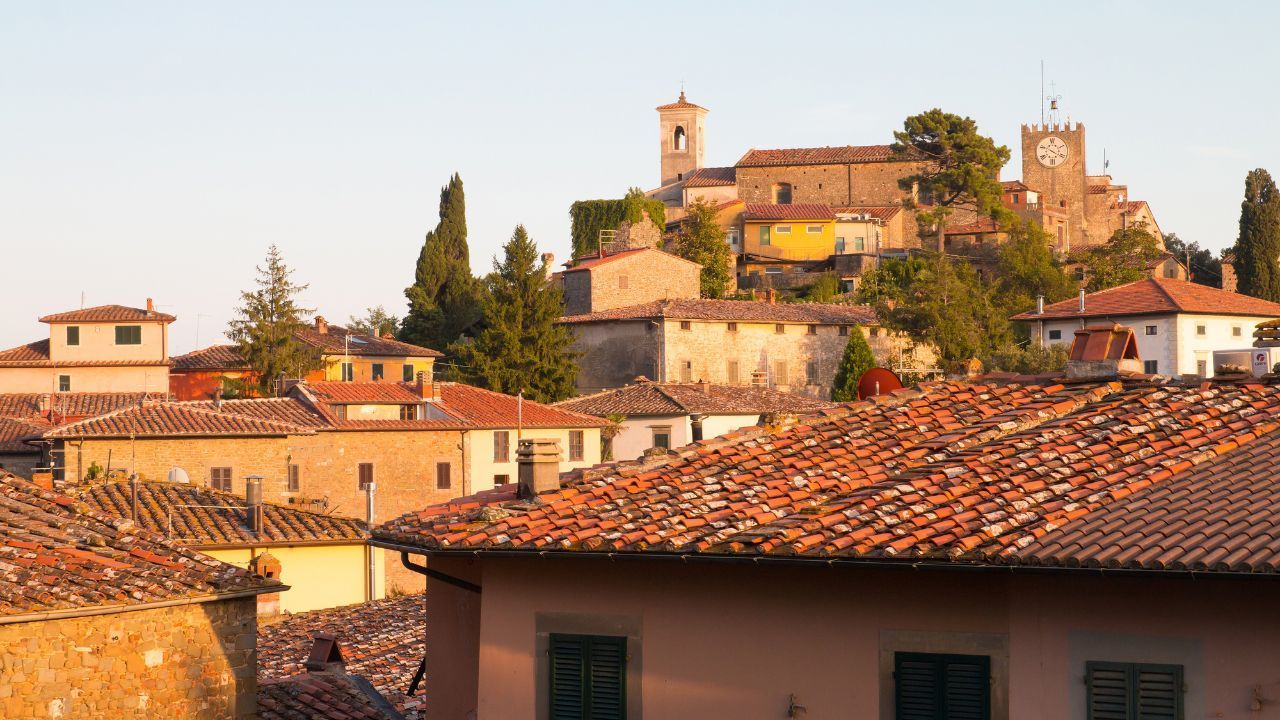
Montecatini Terme: a strategic base most travelers overlook

Montecatini Terme is not an art city like Florence — and that’s precisely its strength.

Located between Florence, Lucca and Pisa, Montecatini works as a strategic hub for exploring Tuscany without the pressure and crowds of major tourist centers.

Why Montecatini works so well as a base

From a local perspective, these are the advantages travelers appreciate the most:

  • Easy train connections to Florence, Lucca and Pisa
  • Florence reachable in about 50 minutes by train
  • More space, quieter evenings and better value hotels
  • A slower pace after full sightseeing days

Instead of packing and unpacking or driving long distances, you can explore different parts of Tuscany from one comfortable base.


How far is Montecatini from Tuscany’s main cities?

One concern we often hear is: “Is Montecatini too far?”

In reality, distances are very manageable:

  • Florence: about 50 minutes by direct train
  • Lucca: about 30 minutes
  • Pisa: about 50 minutes
  • Pistoia: about 15 minutes
  • Siena: about 1 hour and 30 minutes by car
  • Cinque Terre: about 1 hour by car to La Spezia

This makes it easy to plan relaxed day trips, and to let you live to the fullest this region.


Exploring Tuscany from Montecatini with escorted day trips

One of the advantages of staying in Montecatini is the ability to join well-organized day trips with convenient pick-up, reaching destinations that would otherwise be more complex to visit.


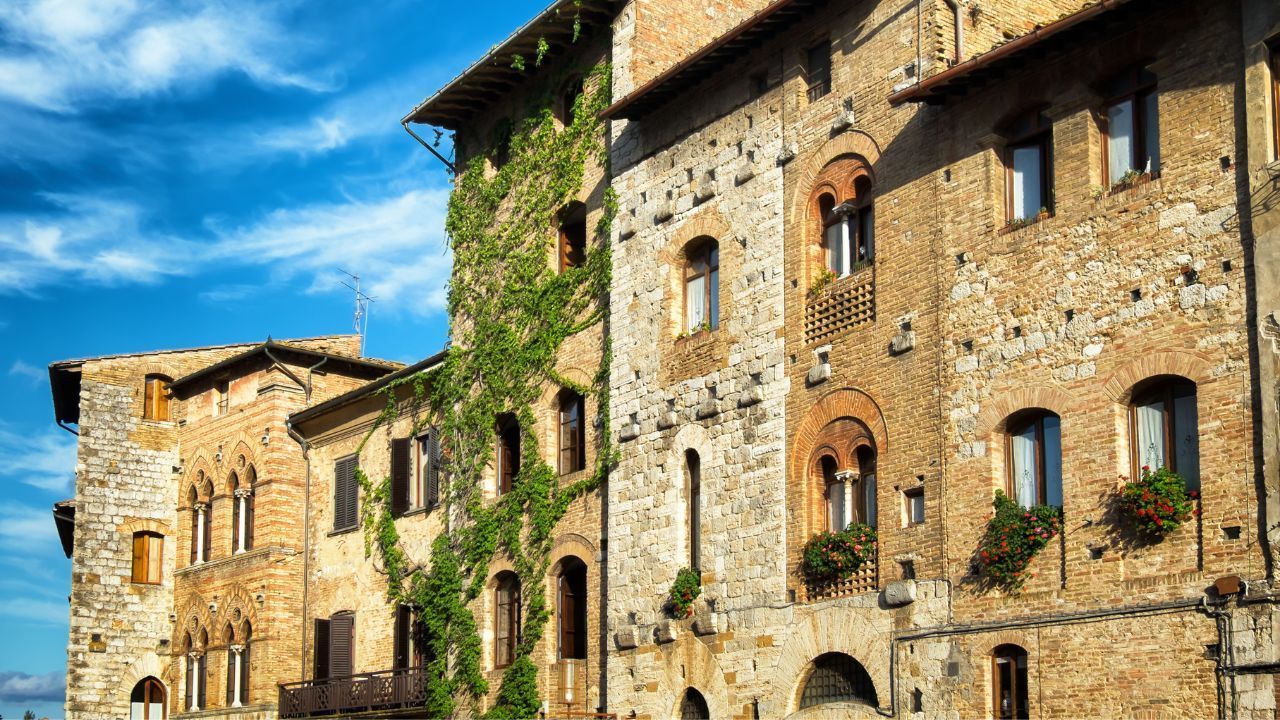
Siena & San Gimignano in one day

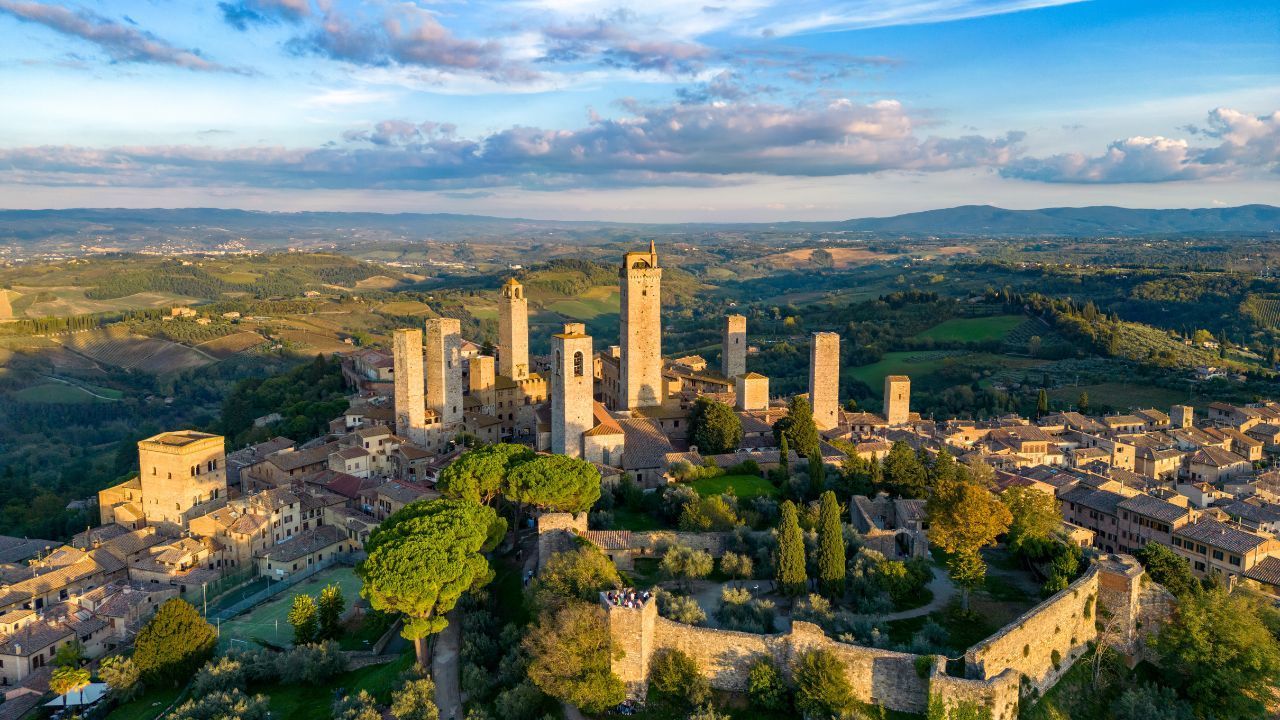
From Montecatini, travelers can easily join a full-day tour to Siena, Monteriggioni & San Gimignano, combining a medieval city and a hilltop village in one experience — without worrying about driving or parking.
This is especially appreciated by couples who want a relaxed yet comprehensive day in southern Tuscany.


Cinque Terre day trip with pick-up

Although not in Tuscany, the Cinque Terre are one of the most requested experiences.
Staying in Montecatini makes it possible to join our
Cinque Terre Day Trip with Pick-up, avoiding early-morning logistics and complex train connections.


From Montecatini to Pisa

Montecatini is ideally located for visiting Pisa. This town is home to one of the most famous Italian highlights: the Leaning Tower.

But this is just a corner of a city that is full of wanders. If you’re staying in Montecatini you can have an entire day to explore it at your own pace.

If you’re never been on the top of the tower, we highly recommend you to choose Pisa: Cathedral Guided Tour + Leaning Tower Option.

If you’re looking for something like a local, maybe 2-Hour Small-Group Walking Tour of Pisa Off The Beaten Path can be what you’re looking for.


Visiting Florence while staying outside the city

Staying in Montecatini does not mean missing Florence — quite the opposite.

Many travelers visit Florence independently by train and choose guided museum experiences to make the most of their time.


Uffizi Gallery & Accademia guided tour

For first-time visitors, a guided tour of the Uffizi and Accademia is one of the most efficient ways to experience Florence’s masterpieces without spending hours in line.


Pitti Palace & Boboli Gardens guided tour

For travelers interested in Florence beyond the most famous museums, a guided visit of Pitti Palace and the Boboli Gardens offers a deeper understanding of Medici history and Renaissance lifestyle.


Staying in Tuscany without renting a car

Many of our guests prefer not to drive in Italy, especially in cities like Florence.

Montecatini is particularly suitable if you want to:

  • travel mainly by train
  • avoid city traffic and parking
  • combine independent sightseeing with guided day trips


Indeed, from here, travelers often visit cities on their own and join small-group or private countryside experiences for wine regions and rural areas.


Montecatini vs Florence: which is the better base?

Here’s a simple, honest comparison we often share with our guests:

Florence Montecatini Terme
Iconic art city Strategic travel hub
Very crowded Better value for money
Traffic restrictions Easy train access
Best for museums Best for exploring Tuscany


There is no “right” or “wrong” choice — only what fits your travel style best.


Common mistakes travelers make when choosing where to stay in Tuscany


From our experience on the ground, these are the most common issues we see:

  • Choosing Florence by default, without considering logistics
  • Underestimating travel times between cities
  • Changing hotels too often
  • Renting a car when it’s not really necessary

A good base can help you avoid all of these.


Practical advice from those who live and work in Tuscany


If we had to give one piece of local advice, it would be this:

Tuscany is not about ticking off cities — it’s about balance. But please, plan in order to see Siena, it’s a true gem!


Staying slightly outside the busiest centers often allows you to:

  • see more places
  • travel more comfortably
  • enjoy quieter evenings
  • experience a more authentic rhythm of life

Montecatini is not a destination that competes with Florence — it complements it.


Choosing the right base makes all the difference

Tuscany is much more than Florence.
It’s historic towns, countryside landscapes, local food, wine regions and a slower pace of life.

Choosing where to stay in Tuscany is not just a logistical decision — it’s what allows you to experience the region fully, without rushing or stress.

As local operators who live and work here every day, we’ve seen how the right base can completely change a trip — for the better.


Frequently Asked Questions

  • Is Montecatini a good base for first-time visitors to Tuscany?

    Yes, especially if you want to visit more than one city and prefer a relaxed base with good transport connections.

  • Can I visit Florence easily from Montecatini?

    Absolutely. Direct trains run frequently (especially from 2026), and the journey takes about 50 minutes.

  • Do I need a car if I stay in Montecatini?

    Not necessarily. Many travelers explore Tuscany by train and join guided experiences for the countryside.

  • Is Montecatini suitable for couples?

    Yes. It’s walkable, quieter than major cities, and well connected — ideal for couples who value comfort and efficiency.
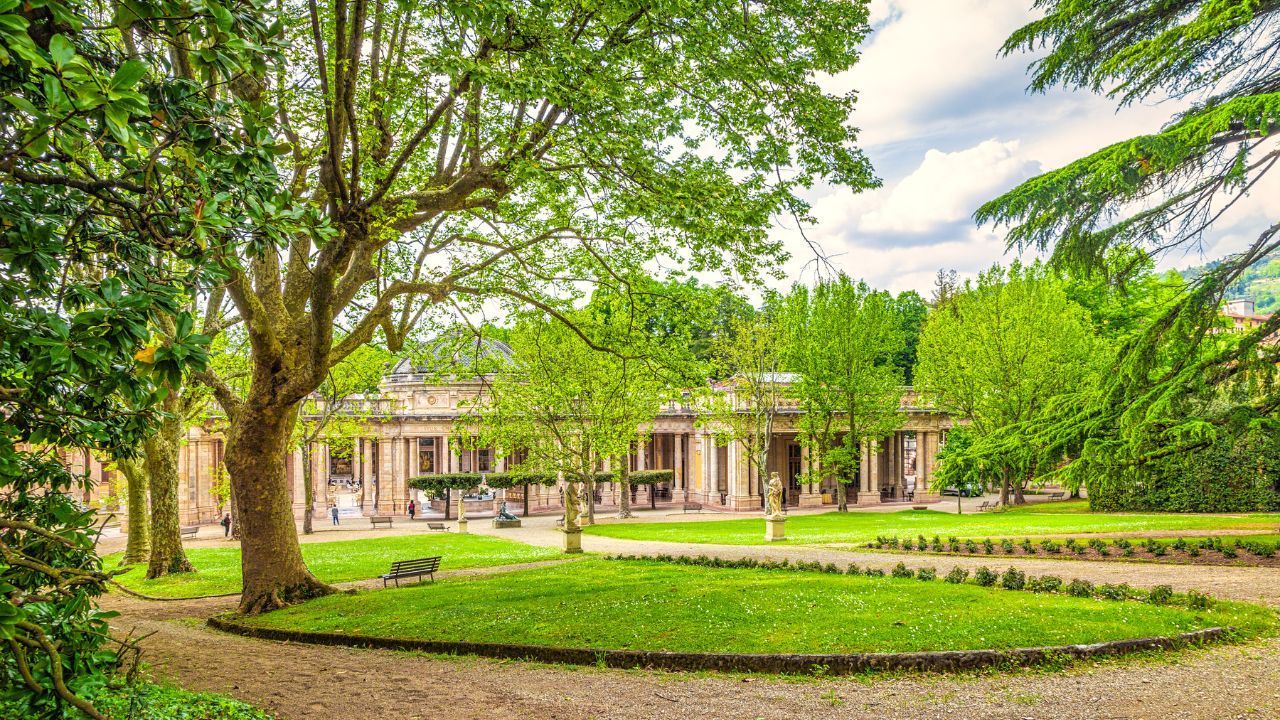
Why Montecatini Is the Smartest Base to Explore Tuscany: Terme Tettuccio in Montecatini
By Martina Gambardella April 10, 2026
Discover why Montecatini is the smartest base to explore Tuscany. Find out Ranieri Tour Operator's tours for small groups starting from here and visit Tuscany
San Gimignano towers at sunset during Tuscany Daily Tours excursion from Montecatini
By Martina Gambardella March 6, 2026
Is San Gimignano worth visiting? Discover what to see and enjoy it on our Siena, Chianti & San Gimignano tour from Montecatini.
By Martina Gambardella February 26, 2026
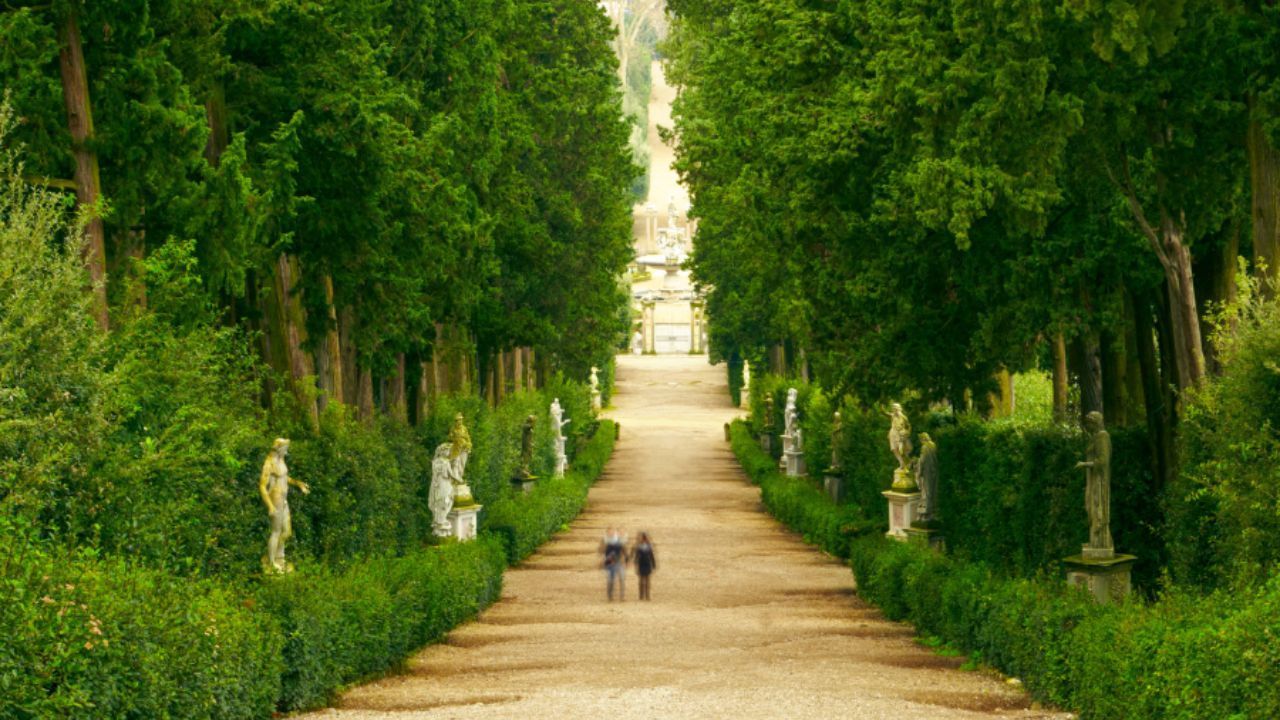
When the sun is shining over Florence and the city glows with warm golden light, there is one place that locals and travelers instinctively choose: the Boboli Gardens . More than a park, Boboli is a place where Florence slows down, where art and nature blend seamlessly, and where a sunny day becomes an unforgettable memory. As a local tour operator who accompanies visitors here every day, we can say with certainty: visiting the Boboli Gardens is one of the best things to do in Florence on a sunny day . How to Get to the Boboli Gardens Getting to the Boboli Gardens is easy, and choosing the right entrance can already shape your experience. The gardens have four main entrances , all located on the Oltrarno side of Florence, each offering a slightly different way to step into this green masterpiece. Main entrances to the Boboli Gardens Palazzo Pitti Entrance The most iconic and commonly used entrance, directly connected to the Pitti Palace. Entering from here feels grand and ceremonial, just as the Medici once intended. Bus lines: C3, C4, 11 Forte di Belvedere Entrance A quieter access point that offers spectacular panoramic views over Florence. Ideal if you want to combine Boboli with one of the city’s most scenic viewpoints. Via Romana – Annalena Gate A lateral and less crowded entrance, perfect for visitors arriving from the southern part of the city or staying near Porta Romana. Bus line: 11 Piazzale di Porta Romana Entrance Located at the end of Via Romana, this entrance provides a more local and relaxed way to enter the gardens. Bus lines: 11, 13, 36, 37 The exit is generally located near Piazza Pitti , making it easy to continue exploring the Oltrarno neighborhood after your visit. Tickets and practical tips Tickets can be purchased online or on site , but booking in advance is strongly recommended, especially during high season, to avoid queues. Prices vary depending on ticket type and exhibitions, with reductions and free entry available for certain categories such as Florence residents, students, and on specific days. The Feeling of Entering Boboli Gardens The moment you step inside the Boboli Gardens, the city seems to disappear. The sounds of Florence fade into the background, replaced by gravel paths underfoot, the murmur of fountains, and the gentle movement of trees shaped centuries ago. On a sunny day, light filters through the greenery, illuminating statues and terraces in a way that feels almost theatrical. Boboli is not a place to rush — it invites you to slow down, wander, and simply breathe. Walking along the alleys designed for these gardens, you can probably have some flashbacks, flashbacks of a time you've never lived. Indeed it’s so easy to imagine princes and princesses, lords and ladies of the upper classes walking with you, hiding with their lovers behind some bushes. You can almost see their clothes, changing from Renaissance to the 18th century to the latest fashion. Can’t you see their farthingales, girdles and sumptuous wigs? And then the scandals, the weapons, and the illegitimate relationships that we know these gardens have hidden. A Garden Born from Power, Art, and Vision Moreover, we know that the history of the Boboli Gardens Florence begins in 1549 , when Eleonora di Toledo , wife of Cosimo I de’ Medici, purchased the Pitti Palace and commissioned the creation of a garden worthy of the most powerful family in the city. The first project was designed by Niccolò Tribolo , later expanded by architects and artists such as Bartolomeo Ammannati , Giorgio Vasari , and Bernardo Buontalenti . Together, they transformed a hillside into the model of the Italian Renaissance garden , where nature is shaped by art, geometry, and symbolism. Boboli was conceived as a space that expressed harmony, order, and Medici authority. Every fountain, statue, and avenue had meaning, celebrating humanity’s ability to shape the natural world. After the Medici dynasty, the Lorraine family enriched the gardens with new botanical elements and scenic viewpoints, adding layers of history without altering their essence. In 1766 , Boboli was opened to the public, turning a private aristocratic retreat into a shared cultural treasure. Today, walking through the gardens feels like moving through centuries of Florentine history — an open-air museum where Renaissance ideals meet Baroque elegance. Exploring the Layout of the Gardens The Boboli Gardens unfold vertically behind the Pitti Palace, climbing gently toward panoramic terraces. Wide gravel paths, hidden groves, manicured hedges, and sudden open views create a landscape designed to surprise and delight. Unlike modern parks, Boboli was meant to impress, guide, and inspire — and it still does. Must-See Highlights Inside Boboli Gardens If you want to make the most of your visit, these are the spots we always recommend: The Amphitheater Located just behind the palace, this space once hosted court performances and celebrations for the Medici family. The Buontalenti Grotto A surreal masterpiece of Mannerist art, filled with artificial stalactites, sculptures, and hidden symbolism. The Fountain of Neptune One of the highest points in the gardens, offering open views and a refreshing atmosphere. The Kaffeehaus Terrace Inspired by Viennese architecture, this terrace offers one of the best panoramic views over Florence , especially beautiful in the afternoon sun. Discover Boboli with a Local Guide: Pitti Palace & Gardens Tour For travelers who want more than a simple walk, we recommend experiencing Boboli with a professional local guide . Our small-group Pitti Palace and Boboli Gardens tour combines: a guided visit to the Palatine Gallery , home to masterpieces by Raphael, Titian, and Caravaggio an in-depth exploration of the Boboli Gardens , uncovering stories, symbols, and hidden corners The tour includes priority entrance tickets and a 24-hour pass that allows you to continue exploring the rest of the Pitti Palace galleries at your own pace. It’s the perfect way to truly understand what you’re seeing — and why it matters. Practical Information: Opening Hours and Ticket Prices Opening hours: Daily: 8.15- 16.30 in January, February, November; 17.30 in March and October (Standard Time); 18.30 in March (DST), April, May, September, October (DST); 19.10 in June, July and August. Closing Day First and Last Monday of the month. 1st of January, 25th of December. Last entry: One hour before closing Ticket Single entrance to the Boboli Gardens Full Price: 10€(With the Boboli Gardens ticket, you can access the Villa Bardini Garden for free). Bookings Entrance reservation for the additional cost of 3€ at the official online ticket office or on +39 055 294883 (Mon-Fri 8.30-18.30 Sat 8.30-12.30). Local Tips for Visiting Boboli Gardens Visit late morning or mid-afternoon for the best light Wear comfortable shoes — paths are gravel and slightly sloped Bring water during summer months Take your time: Boboli is meant to be experienced slowly Why Boboli Gardens Are Perfect on a Sunny Day in Florence Florence can be intense, vibrant, and overwhelming — Boboli is where the city exhales. On a sunny day, there is no better place to reconnect with Florence’s elegance, history, and quiet beauty. That is what a lot of Florentines scholars thought, too. Indeed, Boboli Gardens is famous as the place where boys and girls from high school usually immersed to skip school. This way, it was possible for them to admire their historic value, elegance, and patriotic inestimable value… and of course, skip school (but that was far less relevant). Although this habit is fading (because of school’s digital logs) these gardens keep hiding over time secrets of thousands of florentines: boys, girls, students, noblemans, both from the 20th century and from Reinassence’s era. Once you leave the gardens, remember what you saw — but please, keep these secrets with you!
Siena catedral facade
By Martina Gambardella October 21, 2025
Discover the majesty of the Siena Cathedral with our guided tour: a gothic masterpiece in Tuscany full of history, art, and breathtaking views.
Vasari Corridor
By Martina Gambardella July 29, 2025
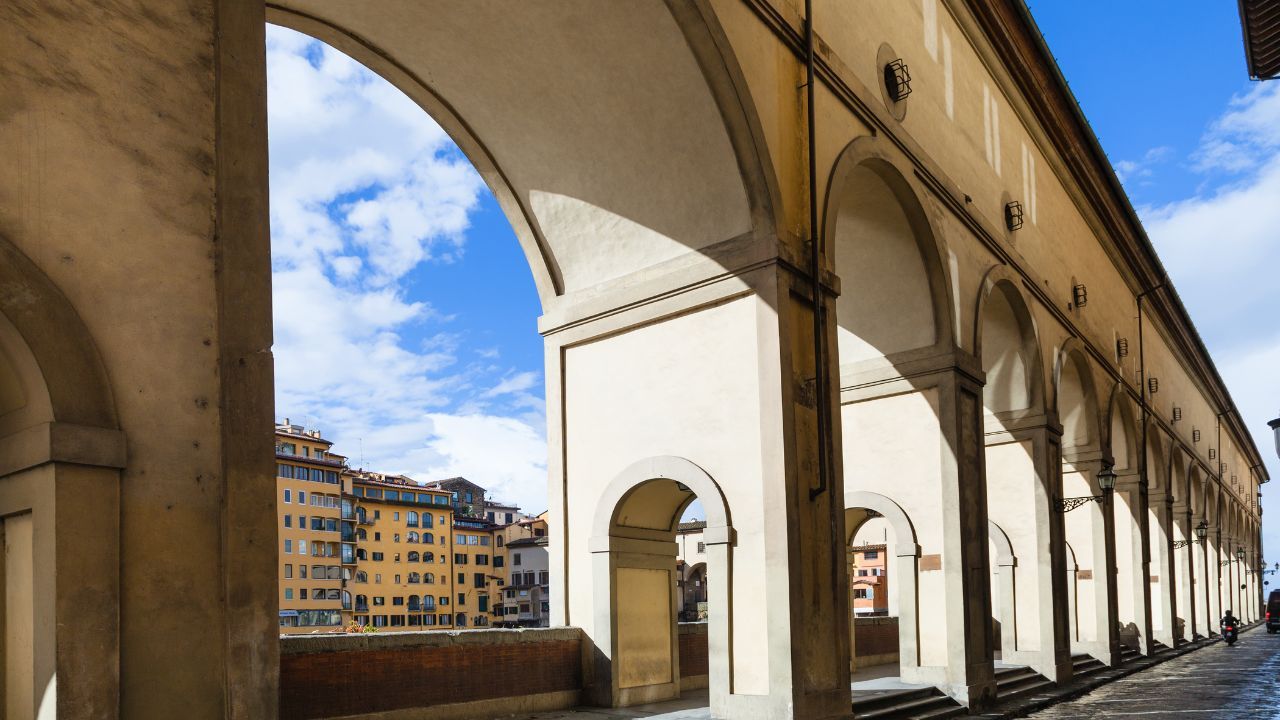
Uncover the Vasari Corridor in Florence: what it is, its fascinating history, the genius of Giorgio Vasari and its link to the Uffizi.
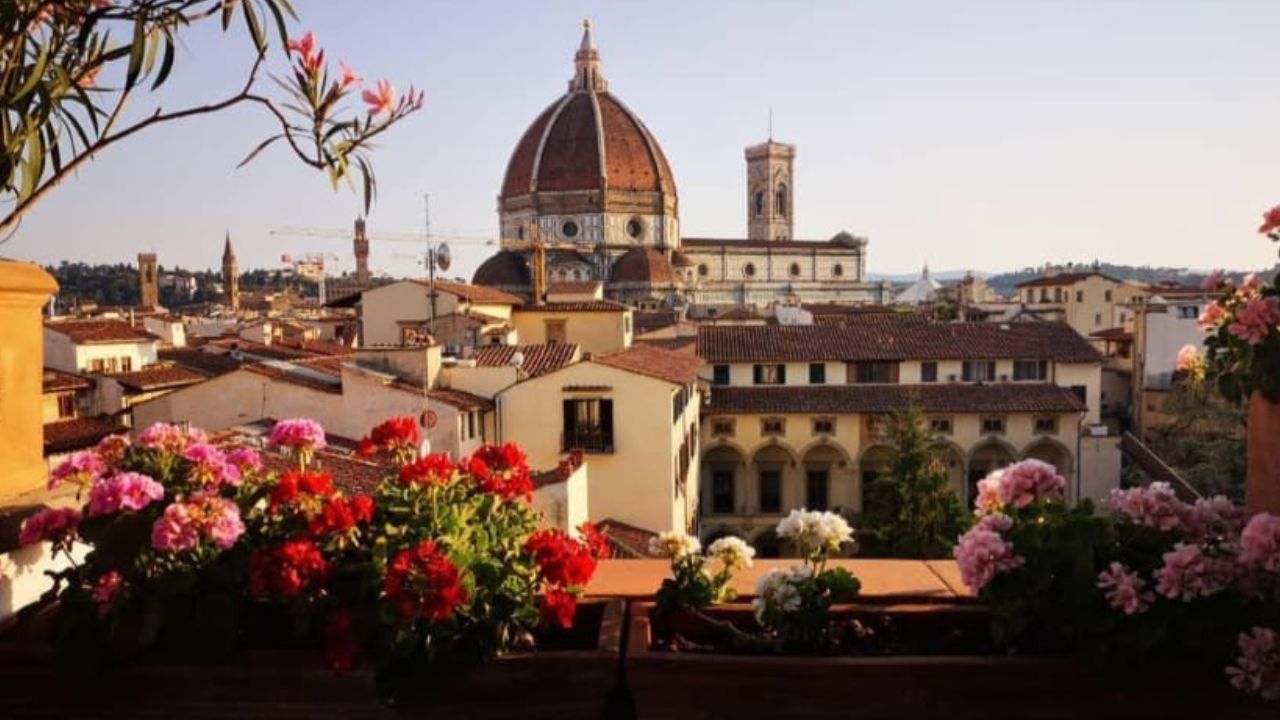
Things to do in Italy Florence in 1 Day
By Martina Gambardella July 22, 2025
Discover the best things to do in Florence, Italy with our 1-day walking itinerary from Santa Maria Novella. Art, history, food & hidden gems await!
Leonardo da Vinci Sketches
By Martina Gambardella July 10, 2025
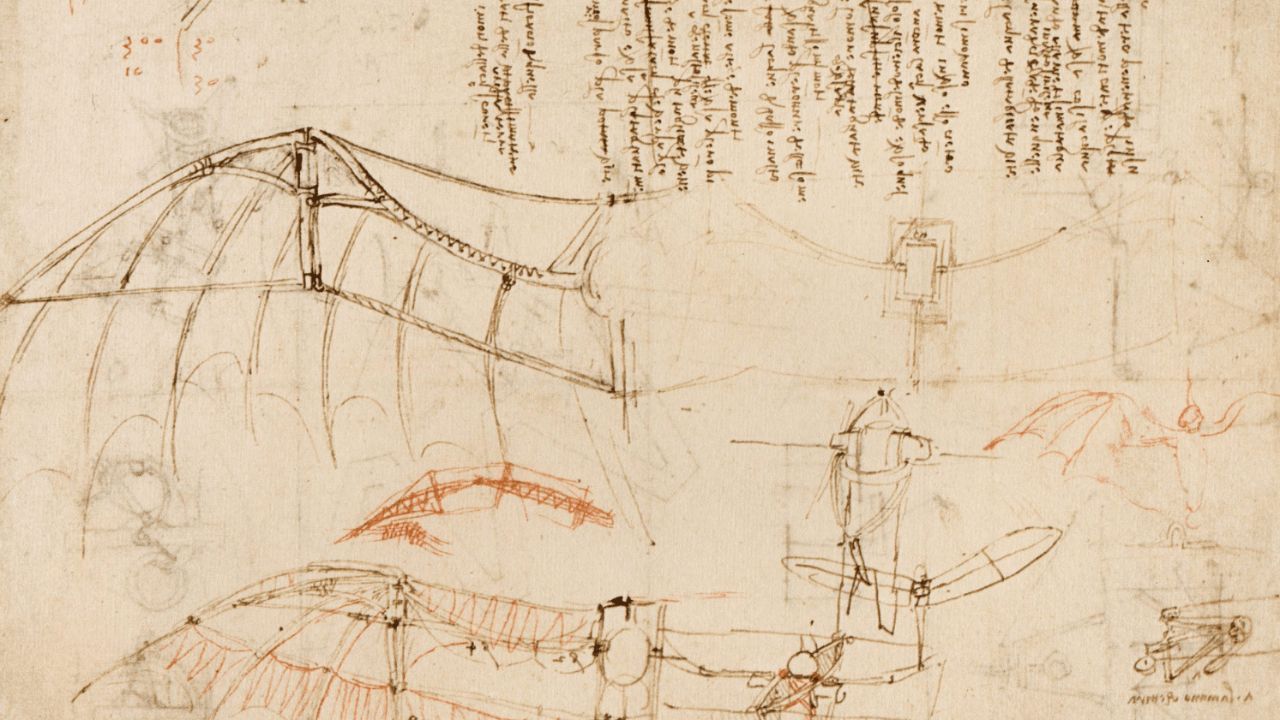
Discover Leonardo da Vinci sketches in Vinci: a Tuscan tour through his birthplace, inventions, and original artworks in a stunning countryside setting.
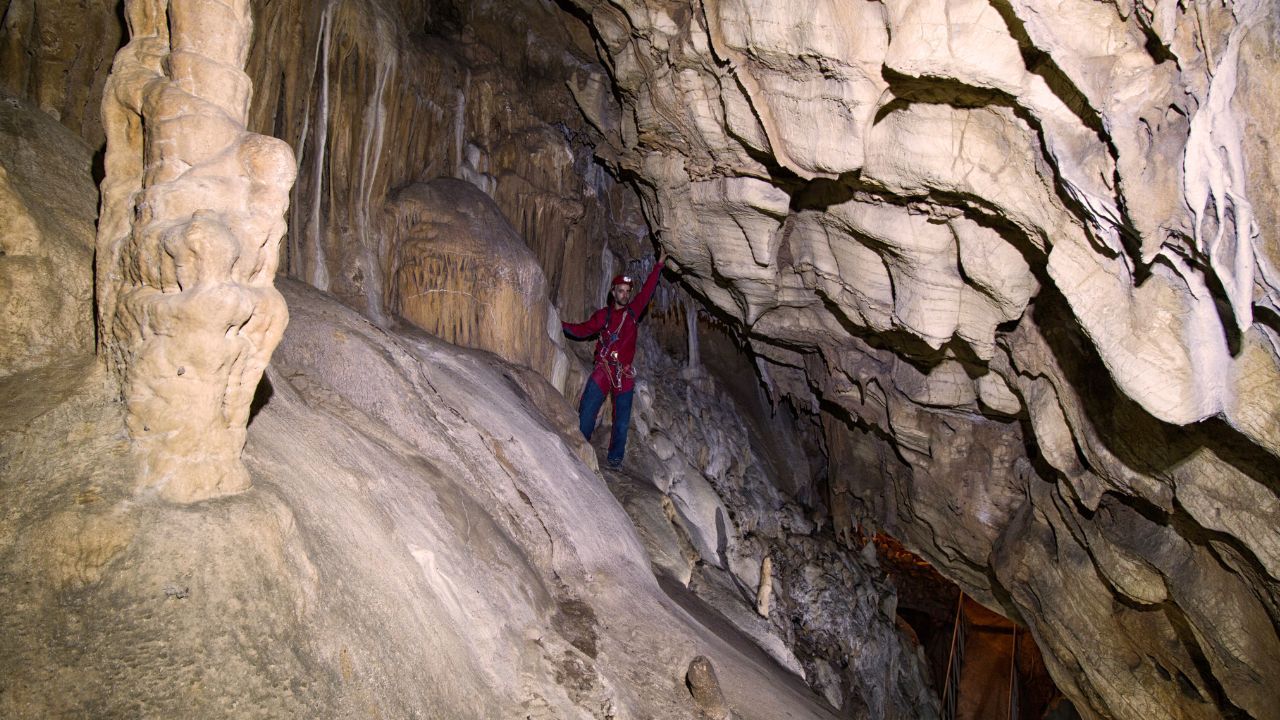
Tuscan Caves: Inside Grotta Maona
By Martina Gambardella July 9, 2025
Tuscan caves in Valdinievole are the splendid evidence of nature action. Let us tell you about Grotta Maona's story.
Your tour from Montecatini Terme
By Martina Gambardella July 4, 2025
Explore Tuscany’s heart with an exclusive tour from Montecatini Terme. Discover Vinci, savor wine, and visit Cinque Terre with hotel pickup and local guides.
San Gimignano Tuscany
By Martina Gambardella July 2, 2025
Explore San Gimignano Tuscany: towers, art, and wine in a medieval gem perfect for unforgettable holidays in the Tuscan countryside.