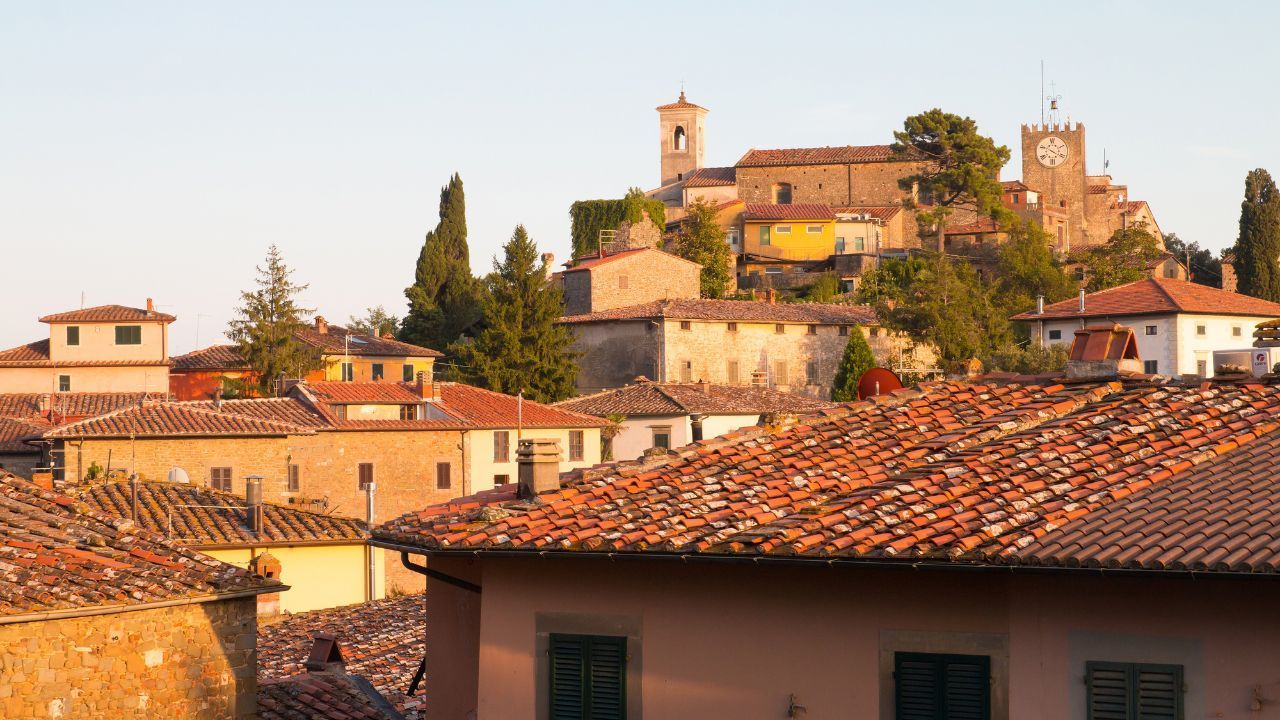

Why Montecatini Is the Smartest Base to Explore Tuscany

A place most travelers don’t choose — and later wish they had

When we meet travelers at the beginning of their stay in Tuscany, many arrive with a very clear picture in mind: Florence, art, museums, crowds, long days on foot.

What they don’t always imagine is how their trip will feel after the third or fourth day.

Because Tuscany is beautiful, but it can also be intense.


Distances add up, logistics become tiring, and moving from one place to another every day slowly takes away energy from the experience itself.

Montecatini Terme is often not the first place people consider.
And yet, after a few days here, many tell us the same thing:


“We didn’t expect this to work so well.”


Montecatini is not about monuments — it’s about rhythm

Montecatini Terme doesn’t try to compete with Florence, Siena or Pisa.
It doesn’t need to.

This is a town built around pause and balance. Historically, people came here to slow down, to breathe, to take care of themselves. That spirit is still part of the place today.


In the early evening, when day-trippers have left the big cities, Montecatini becomes quieter. People walk along wide, flat streets, sit outside cafés, and enjoy dinner without rushing. There’s space — physical and mental — to reset.

For travelers exploring Tuscany day after day, this rhythm matters more than they expect.


The Tettuccio and the idea of coming back “home” at the end of the day

One of the places we often point out to our guests is Terme Tettuccio.

Even if you don’t enter, walking past it tells you something about Montecatini. The colonnades, the symmetry, the calm presence of the building speak of a different relationship with time.


After a busy day in Florence, or a long excursion through the countryside, returning to Montecatini doesn’t feel like returning to another tourist center. It feels more like coming back to a base, somewhere you’re not expected to do anything in particular.

This is one of the reasons Montecatini works so well as a hub: it doesn’t compete for your attention. It supports the journey instead.


A town that quietly connects everything

From a practical point of view, Montecatini’s strength lies in how naturally it connects different parts of Tuscany.

Trains leave frequently in different directions. Florence, Lucca, Pisa and Pistoia are all within easy reach.

Distances are manageable, and days don’t need to start at dawn to be productive.


What we notice, guiding travelers week after week, is that people staying in Montecatini often:

  • feel less pressure to “optimize” every minute
  • are more open to spontaneous changes
  • enjoy day trips without feeling exhausted

Tuscany unfolds more gently when travel days are not a constant challenge.


When guided day trips make more sense than doing everything alone

Some parts of Tuscany are beautiful but logistically demanding. Southern Tuscany, medieval hill towns, or coastal areas like the Cinque Terre require careful planning if you go independently.

From Montecatini, joining well-organized day trips with pick-up becomes a natural choice, not a compromise.


We see many travelers choose experiences like:

Staying in Montecatini allows people to enjoy these places with clarity and comfort, rather than turning them into logistical puzzles.


A place that suits couples especially well

Couples traveling through Tuscany often tell us they are looking for:

  • ease
  • continuity
  • moments of calm between busy days

Montecatini offers exactly this. It’s walkable, flat, and less chaotic than major cities. Evenings are calmer, mornings start more smoothly, and there’s a sense of routine that makes longer stays feel lighter.

It’s not a town that demands attention — and that’s precisely why it works.

However, if you’d like to experience Florence’s nights, you should know that, from the beginning of 2026, the Florence-Montecatini train route is doubled, increasing the number of direct connections to and from Florence. 

Now, the last departure from Florence to Montecatini leaves at half past midnight, meaning you can enjoy late evenings in the famous Renaissance city, still staying in Montecatini.

You can have dinner in one of the many Trattoria in the city centre, have a Gelato while walking along the river Arno, but also enjoy a tour like our Florence Wine Tour at Sunset

The most important thing? You can do all these things without worrying about missing your last train back to Montecatini.


Mistakes we often see travelers make

Over the years, we’ve seen many trips become unnecessarily complicated because of choices made early on.

Some common issues include:

  • choosing a base only because it’s famous
  • planning every day as a “must-see” marathon
  • forgetting the importance of rest

Montecatini helps correct these mistakes almost effortlessly, simply by how it’s positioned and how it feels to stay there.


A local perspective on exploring Tuscany well

Living and working here, planning itineraries and accompanying travelers every day, one thing is very clear to us:

the best Tuscany trips are not the busiest ones.


They’re the trips where logistics fade into the background, where evenings are calm, and where each day feels connected to the next.

Montecatini doesn’t promise highlights. It offers continuity — and that’s something many travelers only realize once they experience it.


Sometimes the smartest places are the quiet ones

Montecatini Terme doesn’t try to impress at first glance. It reveals its value slowly, through comfort, ease and balance.

As people who live and work in Tuscany, we’ve seen how choosing Montecatini as a base often leads to trips that feel less rushed, more coherent and more enjoyable.

Not because it offers more sights, but because it makes everything else work better.


Discover all the shared tours from Montecatini for small groups here!


FAQ


  • Is Montecatini a good base even if it’s not an art city?

    Yes. In fact, that’s one of its strengths. It allows you to focus on exploring, not on managing crowds.

  • Will I miss out by not staying in Florence?

    No. Many travelers visit Florence easily by train and appreciate returning to a quieter base afterward.

  • Is Montecatini suitable for longer stays?

    Very much so. It works particularly well for trips of 5–7 days or more. 

    Moreover you will be able to arrange your movements easily and you’ll also be closer to Lucca, Pisa and the seaside coast.


  • Is it a good choice for first-time visitors to Tuscany?

    Yes, especially if you want a balanced experience without constant hotel changes, but smart travelling.
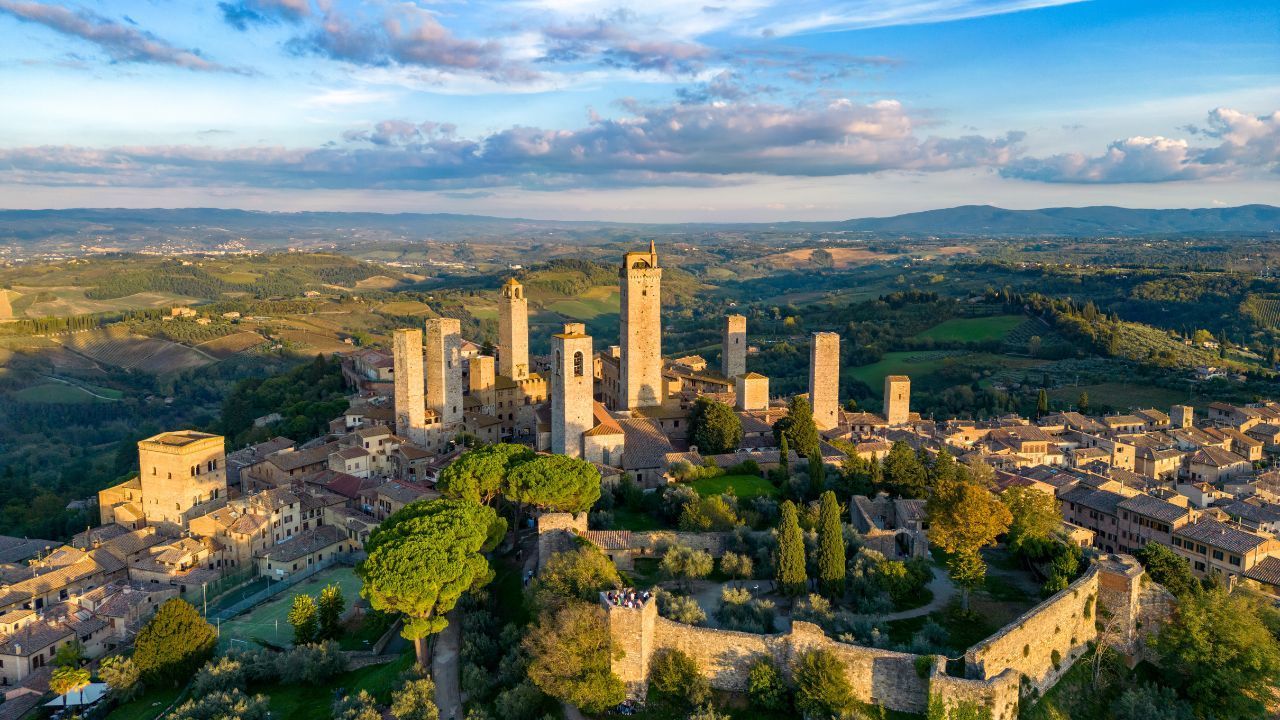

San Gimignano towers at sunset during Tuscany Daily Tours excursion from Montecatini
By Martina Gambardella March 6, 2026
Is San Gimignano worth visiting? Discover what to see and enjoy it on our Siena, Chianti & San Gimignano tour from Montecatini.
Wondering where to stay in Tuscany? Discover the best base
By Martina Gambardella March 6, 2026
Wondering where to stay in Tuscany? Discover the best base to visit Florence, Pisa and Lucca with smart day trips and local insights.
By Martina Gambardella February 26, 2026
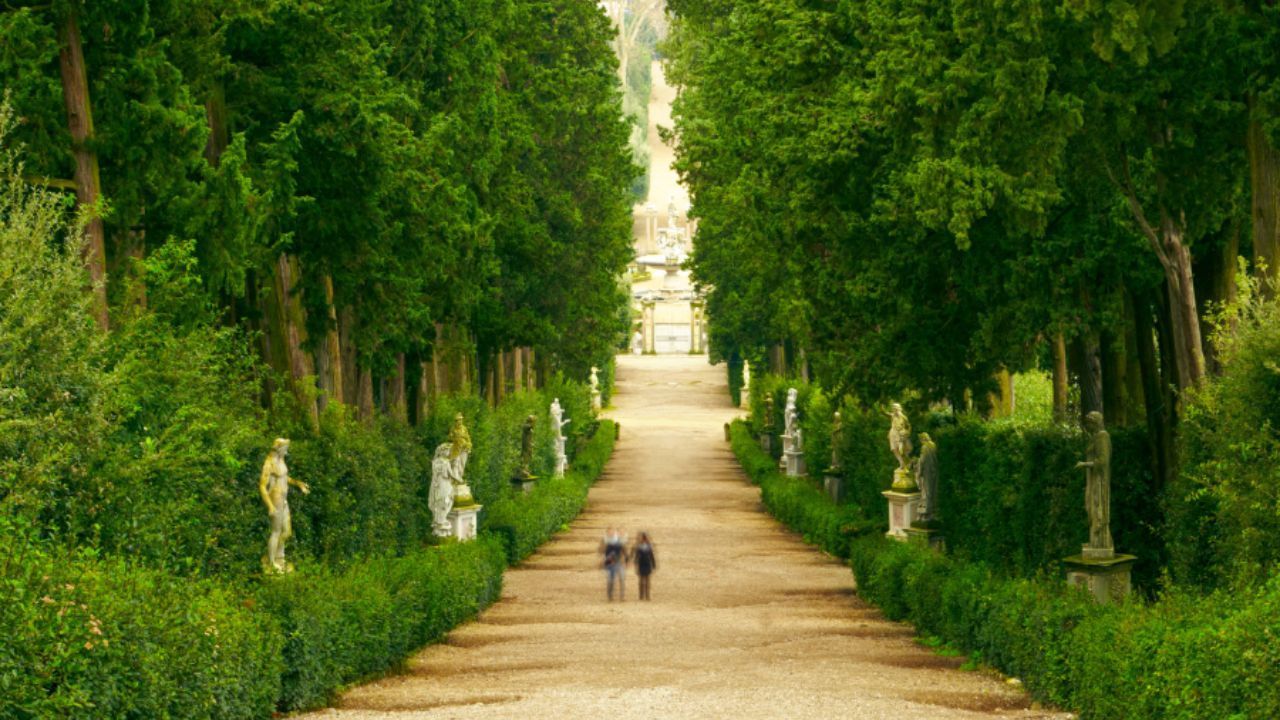
When the sun is shining over Florence and the city glows with warm golden light, there is one place that locals and travelers instinctively choose: the Boboli Gardens . More than a park, Boboli is a place where Florence slows down, where art and nature blend seamlessly, and where a sunny day becomes an unforgettable memory. As a local tour operator who accompanies visitors here every day, we can say with certainty: visiting the Boboli Gardens is one of the best things to do in Florence on a sunny day . How to Get to the Boboli Gardens Getting to the Boboli Gardens is easy, and choosing the right entrance can already shape your experience. The gardens have four main entrances , all located on the Oltrarno side of Florence, each offering a slightly different way to step into this green masterpiece. Main entrances to the Boboli Gardens Palazzo Pitti Entrance The most iconic and commonly used entrance, directly connected to the Pitti Palace. Entering from here feels grand and ceremonial, just as the Medici once intended. Bus lines: C3, C4, 11 Forte di Belvedere Entrance A quieter access point that offers spectacular panoramic views over Florence. Ideal if you want to combine Boboli with one of the city’s most scenic viewpoints. Via Romana – Annalena Gate A lateral and less crowded entrance, perfect for visitors arriving from the southern part of the city or staying near Porta Romana. Bus line: 11 Piazzale di Porta Romana Entrance Located at the end of Via Romana, this entrance provides a more local and relaxed way to enter the gardens. Bus lines: 11, 13, 36, 37 The exit is generally located near Piazza Pitti , making it easy to continue exploring the Oltrarno neighborhood after your visit. Tickets and practical tips Tickets can be purchased online or on site , but booking in advance is strongly recommended, especially during high season, to avoid queues. Prices vary depending on ticket type and exhibitions, with reductions and free entry available for certain categories such as Florence residents, students, and on specific days. The Feeling of Entering Boboli Gardens The moment you step inside the Boboli Gardens, the city seems to disappear. The sounds of Florence fade into the background, replaced by gravel paths underfoot, the murmur of fountains, and the gentle movement of trees shaped centuries ago. On a sunny day, light filters through the greenery, illuminating statues and terraces in a way that feels almost theatrical. Boboli is not a place to rush — it invites you to slow down, wander, and simply breathe. Walking along the alleys designed for these gardens, you can probably have some flashbacks, flashbacks of a time you've never lived. Indeed it’s so easy to imagine princes and princesses, lords and ladies of the upper classes walking with you, hiding with their lovers behind some bushes. You can almost see their clothes, changing from Renaissance to the 18th century to the latest fashion. Can’t you see their farthingales, girdles and sumptuous wigs? And then the scandals, the weapons, and the illegitimate relationships that we know these gardens have hidden. A Garden Born from Power, Art, and Vision Moreover, we know that the history of the Boboli Gardens Florence begins in 1549 , when Eleonora di Toledo , wife of Cosimo I de’ Medici, purchased the Pitti Palace and commissioned the creation of a garden worthy of the most powerful family in the city. The first project was designed by Niccolò Tribolo , later expanded by architects and artists such as Bartolomeo Ammannati , Giorgio Vasari , and Bernardo Buontalenti . Together, they transformed a hillside into the model of the Italian Renaissance garden , where nature is shaped by art, geometry, and symbolism. Boboli was conceived as a space that expressed harmony, order, and Medici authority. Every fountain, statue, and avenue had meaning, celebrating humanity’s ability to shape the natural world. After the Medici dynasty, the Lorraine family enriched the gardens with new botanical elements and scenic viewpoints, adding layers of history without altering their essence. In 1766 , Boboli was opened to the public, turning a private aristocratic retreat into a shared cultural treasure. Today, walking through the gardens feels like moving through centuries of Florentine history — an open-air museum where Renaissance ideals meet Baroque elegance. Exploring the Layout of the Gardens The Boboli Gardens unfold vertically behind the Pitti Palace, climbing gently toward panoramic terraces. Wide gravel paths, hidden groves, manicured hedges, and sudden open views create a landscape designed to surprise and delight. Unlike modern parks, Boboli was meant to impress, guide, and inspire — and it still does. Must-See Highlights Inside Boboli Gardens If you want to make the most of your visit, these are the spots we always recommend: The Amphitheater Located just behind the palace, this space once hosted court performances and celebrations for the Medici family. The Buontalenti Grotto A surreal masterpiece of Mannerist art, filled with artificial stalactites, sculptures, and hidden symbolism. The Fountain of Neptune One of the highest points in the gardens, offering open views and a refreshing atmosphere. The Kaffeehaus Terrace Inspired by Viennese architecture, this terrace offers one of the best panoramic views over Florence , especially beautiful in the afternoon sun. Discover Boboli with a Local Guide: Pitti Palace & Gardens Tour For travelers who want more than a simple walk, we recommend experiencing Boboli with a professional local guide . Our small-group Pitti Palace and Boboli Gardens tour combines: a guided visit to the Palatine Gallery , home to masterpieces by Raphael, Titian, and Caravaggio an in-depth exploration of the Boboli Gardens , uncovering stories, symbols, and hidden corners The tour includes priority entrance tickets and a 24-hour pass that allows you to continue exploring the rest of the Pitti Palace galleries at your own pace. It’s the perfect way to truly understand what you’re seeing — and why it matters. Practical Information: Opening Hours and Ticket Prices Opening hours: Daily: 8.15- 16.30 in January, February, November; 17.30 in March and October (Standard Time); 18.30 in March (DST), April, May, September, October (DST); 19.10 in June, July and August. Closing Day First and Last Monday of the month. 1st of January, 25th of December. Last entry: One hour before closing Ticket Single entrance to the Boboli Gardens Full Price: 10€(With the Boboli Gardens ticket, you can access the Villa Bardini Garden for free). Bookings Entrance reservation for the additional cost of 3€ at the official online ticket office or on +39 055 294883 (Mon-Fri 8.30-18.30 Sat 8.30-12.30). Local Tips for Visiting Boboli Gardens Visit late morning or mid-afternoon for the best light Wear comfortable shoes — paths are gravel and slightly sloped Bring water during summer months Take your time: Boboli is meant to be experienced slowly Why Boboli Gardens Are Perfect on a Sunny Day in Florence Florence can be intense, vibrant, and overwhelming — Boboli is where the city exhales. On a sunny day, there is no better place to reconnect with Florence’s elegance, history, and quiet beauty. That is what a lot of Florentines scholars thought, too. Indeed, Boboli Gardens is famous as the place where boys and girls from high school usually immersed to skip school. This way, it was possible for them to admire their historic value, elegance, and patriotic inestimable value… and of course, skip school (but that was far less relevant). Although this habit is fading (because of school’s digital logs) these gardens keep hiding over time secrets of thousands of florentines: boys, girls, students, noblemans, both from the 20th century and from Reinassence’s era. Once you leave the gardens, remember what you saw — but please, keep these secrets with you!
Siena catedral facade
By Martina Gambardella October 21, 2025
Discover the majesty of the Siena Cathedral with our guided tour: a gothic masterpiece in Tuscany full of history, art, and breathtaking views.
Vasari Corridor
By Martina Gambardella July 29, 2025
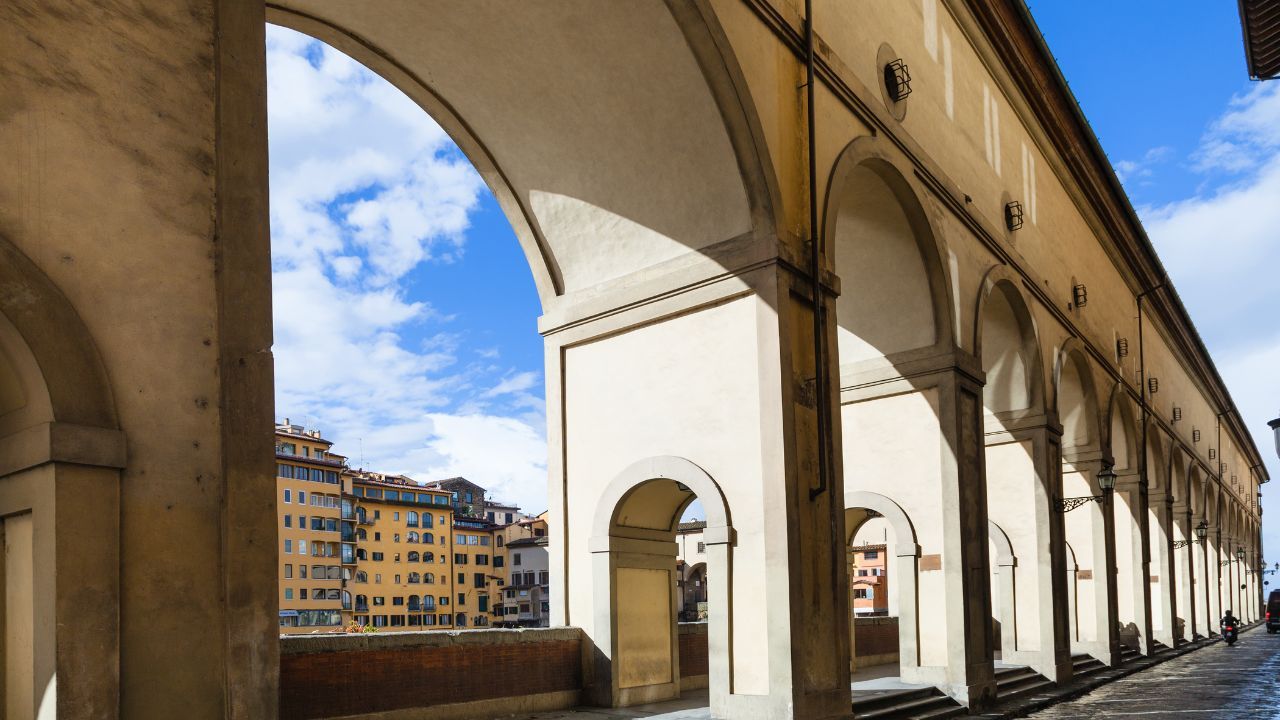
Uncover the Vasari Corridor in Florence: what it is, its fascinating history, the genius of Giorgio Vasari and its link to the Uffizi.
Things to do in Italy Florence in 1 Day
By Martina Gambardella July 22, 2025
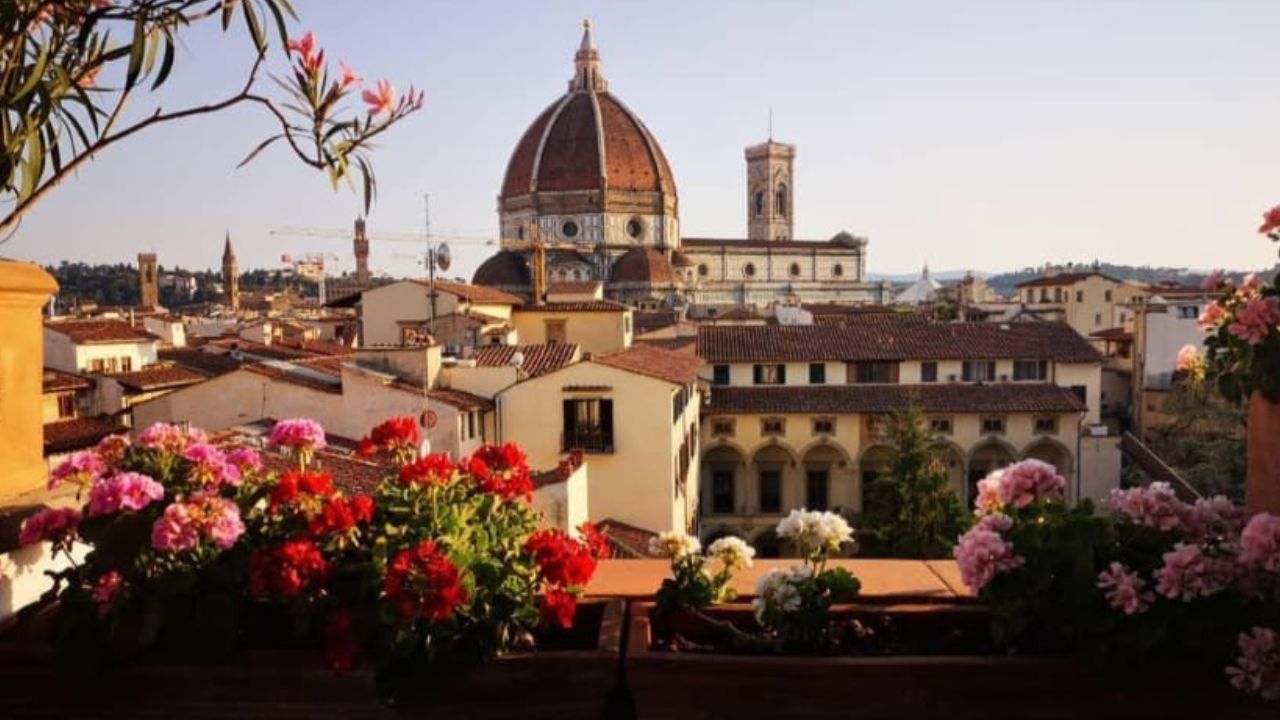
Discover the best things to do in Florence, Italy with our 1-day walking itinerary from Santa Maria Novella. Art, history, food & hidden gems await!
Leonardo da Vinci Sketches
By Martina Gambardella July 10, 2025
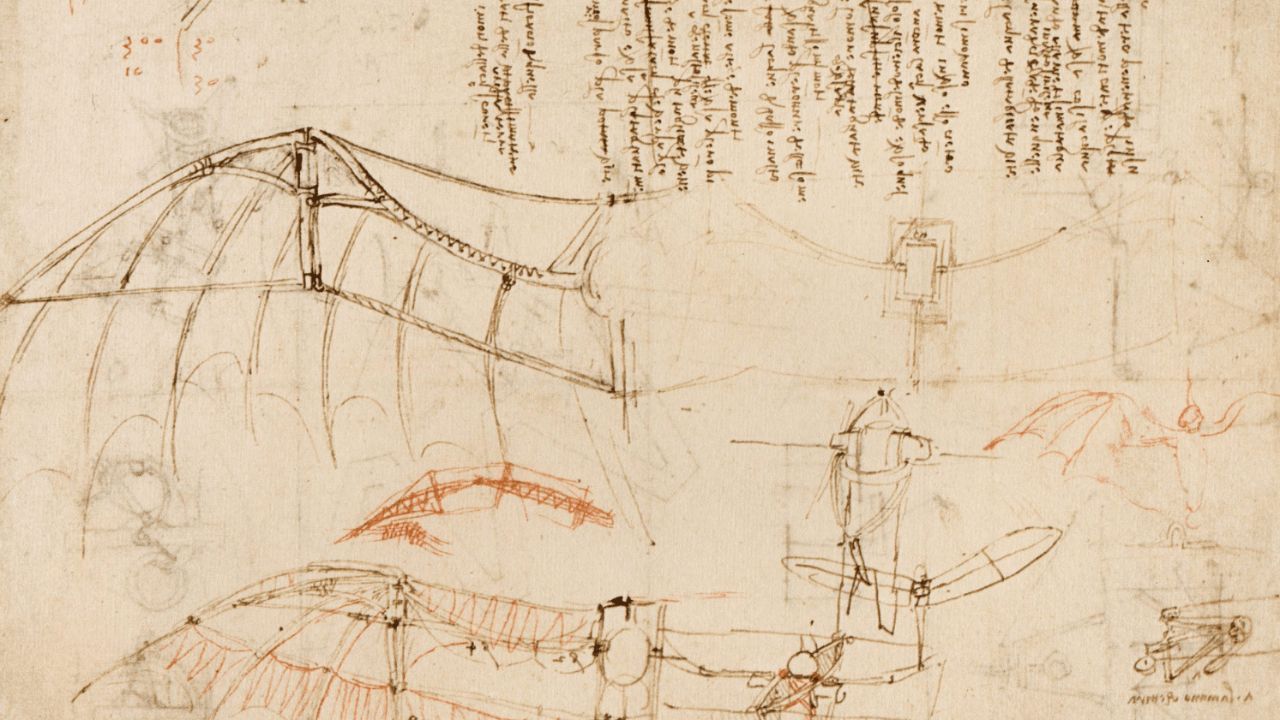
Discover Leonardo da Vinci sketches in Vinci: a Tuscan tour through his birthplace, inventions, and original artworks in a stunning countryside setting.
Tuscan Caves: Inside Grotta Maona
By Martina Gambardella July 9, 2025
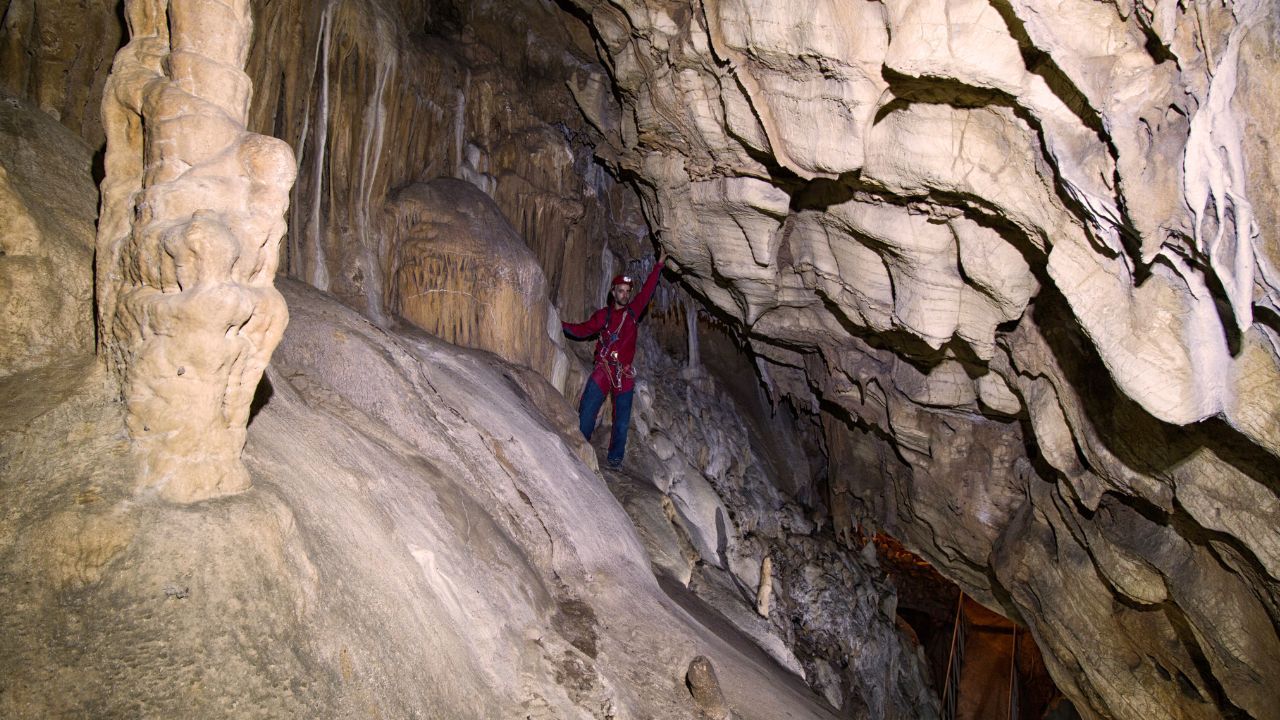
Tuscan caves in Valdinievole are the splendid evidence of nature action. Let us tell you about Grotta Maona's story.
Your tour from Montecatini Terme
By Martina Gambardella July 4, 2025
Explore Tuscany’s heart with an exclusive tour from Montecatini Terme. Discover Vinci, savor wine, and visit Cinque Terre with hotel pickup and local guides.
San Gimignano Tuscany
By Martina Gambardella July 2, 2025
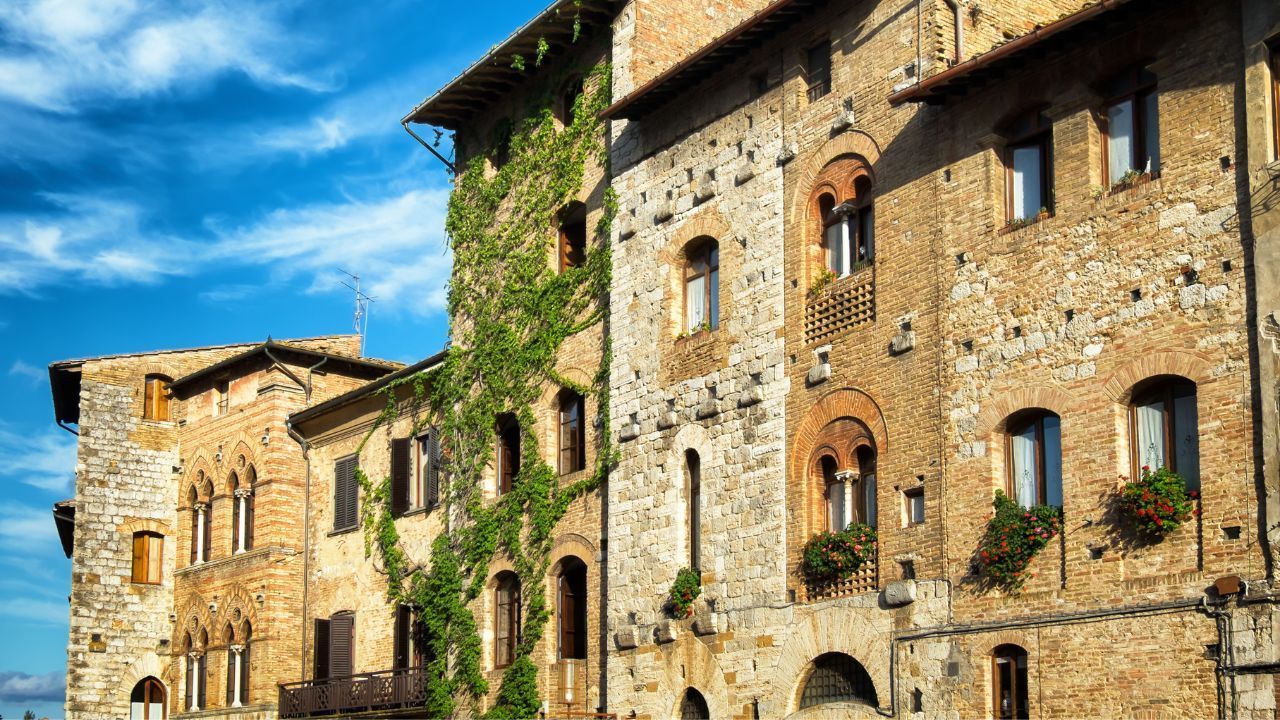
Explore San Gimignano Tuscany: towers, art, and wine in a medieval gem perfect for unforgettable holidays in the Tuscan countryside.