
Is San Gimignano Worth Visiting? A Guide to Tuscany’s Manhattan
Is San Gimignano worth visiting? If you are planning a trip to Tuscany and wondering whether this small hilltop town deserves a stop on your itinerary, the short answer is yes — absolutely. Yet the real answer is much more fascinating.
As someone who lives and works in Tuscany and accompanies travelers here every week, I can tell you that San Gimignano is not simply “beautiful.” It is one of the best-preserved medieval towns in Europe.
It is a UNESCO World Heritage Site.
It is home to ancient towers, world-famous Vernaccia wine, artisanal traditions, and even modern pop culture references — including video games that have used its skyline as inspiration.
However, visiting it the right way makes all the difference. Let’s explore everything you need to know, from San Gimignano what to see, to how much time you need in San Gimignano, to the story behind its towers and wines.
San Gimignano What to See: Towers, History and UNESCO Heritage
When travelers ask me about San Gimignano what to see, I always say: start by looking up.
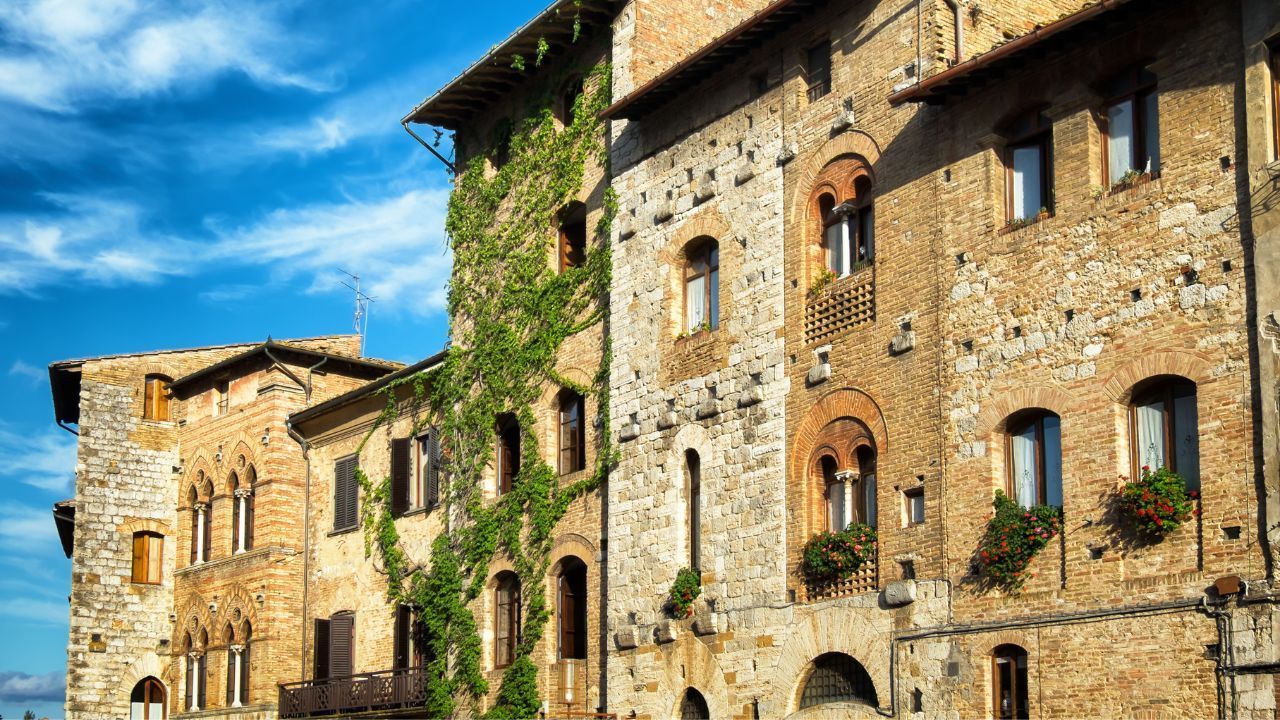
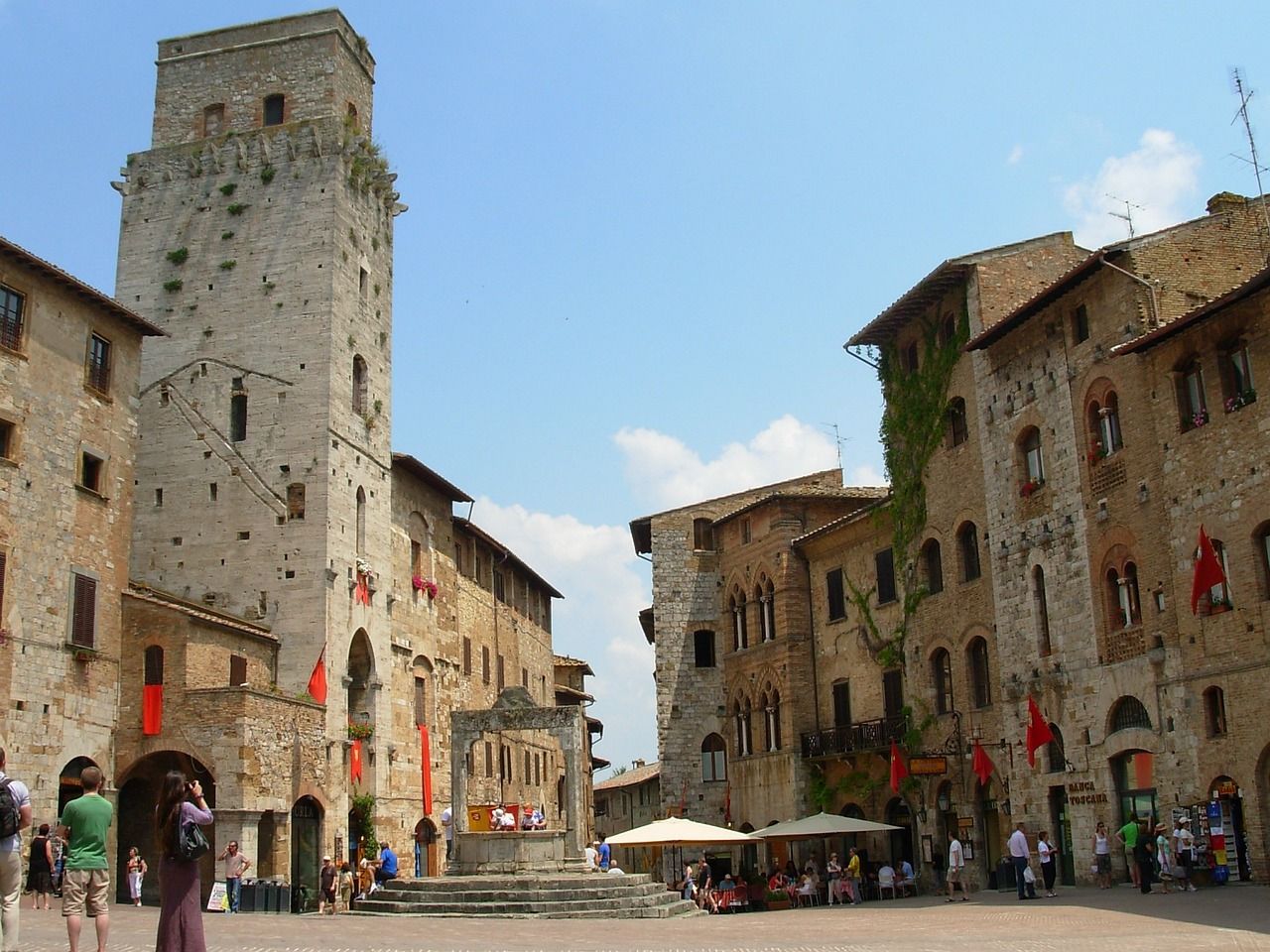
San Gimignano’s skyline is unlike any other in Tuscany. During the 13th and 14th centuries, powerful families built tower houses as symbols of wealth and influence. At its peak, the town had over 70 towers. Today, 14 still stand.
This vertical architecture earned San Gimignano the nickname “Medieval Manhattan.”
The Towers of San Gimignano
The Torre Grossa is the tallest tower in town, standing at 54 meters. You can climb it. The view from the top is extraordinary: rolling Chianti hills, vineyards, olive groves, and cypress trees stretching toward Siena and Florence.
Climbing the tower early in the morning or later in the afternoon makes the experience quieter and more atmospheric. Midday can be crowded, especially in summer.
The towers were not only defensive structures. They were statements of power. Rival families competed to build higher and higher. Eventually, local authorities limited their height to prevent instability and excessive rivalry.
Piazza della Cisterna and Piazza del Duomo
San Gimignano what to see includes two main squares:
- Piazza della Cisterna, triangular in shape, with its medieval well at the center
- Piazza del Duomo, home to the Collegiata (San Gimignano Cathedral)
The Collegiata is one of the most important medieval churches in Tuscany. Inside, you will find remarkable fresco cycles from the 14th century. These paintings narrate scenes from the Old and New Testaments in vivid colors that still captivate visitors today.
Many travelers overlook the small details: stone arches, family crests, narrow alleys that suddenly open into light-filled squares. Yet these are the moments that make the town feel authentic rather than staged.
San Gimignano What to See Beyond the Postcard Views
While most visitors focus on the towers, there is more depth here than many expect.
The Ancient Via Francigena
San Gimignano grew wealthy thanks to its position along the Via Francigena, the medieval pilgrimage route connecting Canterbury to Rome. Pilgrims, merchants, and travelers brought trade and prosperity.
This strategic location explains why the town flourished in the Middle Ages. It also explains the diversity of artistic influences visible in the churches and palaces.
Taste Vernaccia: The Wine That Made History
No discussion of San Gimignano what to see is complete without tasting Vernaccia.
Vernaccia di San Gimignano is one of Italy’s oldest documented white wines. It was already celebrated in the 13th century. Dante Alighieri mentioned it in the Divine Comedy. Renaissance popes appreciated it.
Unlike many Tuscan wines, Vernaccia is white. It has a fresh, mineral character with floral and almond notes. The sandy soils around San Gimignano give it structure and elegance.
When I bring guests to local estates, I often explain how Vernaccia once traveled across Europe as a luxury product. Today, it remains a symbol of local identity.
Pair it with:
- Pecorino cheese
- Tuscan crostini
- Ribollita
- Local cured meats
The combination is simple, yet memorable.
Have the Best Gelato in San Gimignano and Discover Local Flavors
Yes, San Gimignano is historic. Yes, it is refined. But it is also delicious.
Many travelers search for the best gelato in San Gimignano — and for good reason. The town is home to award-winning gelaterias that have gained international recognition.
One in particular has won multiple world gelato championships. Flavors often include:
- Saffron and pine nuts
- Vernaccia wine cream
- Ricotta and blueberry
- Classic pistachio made with high-quality nuts
However, I always advise visitors to look beyond the awards. Taste slowly. Notice texture and balance. Avoid overly bright artificial colors. Authentic Italian gelato is muted in tone and rich in flavor.
Other Traditional Products
Have you ever asked yourself if San Gimignano is worth visiting?
Try this treats and we will talk about it again:
- Extra virgin olive oil
- Wild boar salami
- Tuscan bread (without salt)
- Saffron, historically cultivated in the area
Saffron was once one of the town’s most profitable exports. It added wealth and prestige during the Middle Ages.
How Far Is San Gimignano from Siena? Planning Your Route
Another frequent question I hear is: how far is San Gimignano from Siena?
The distance is approximately 45 kilometers (about 28 miles).
By car, it usually takes around one hour, depending on traffic and road conditions.
The route winds through classic Tuscan countryside. Vineyards, olive groves, and small stone farmhouses accompany you along the way.
Public transportation exists, but is less direct. That is why many travelers prefer guided tours or private transfers. Driving independently is possible, yet parking can be limited during high season.
Combining Siena and San Gimignano in one day is realistic. However, it requires thoughtful planning. That is exactly why curated itineraries in guided tours can make the experience smoother and more enjoyable.
San Gimignano in Modern Culture: Video Games and Media
San Gimignano’s medieval skyline has influenced more than just painters and photographers.
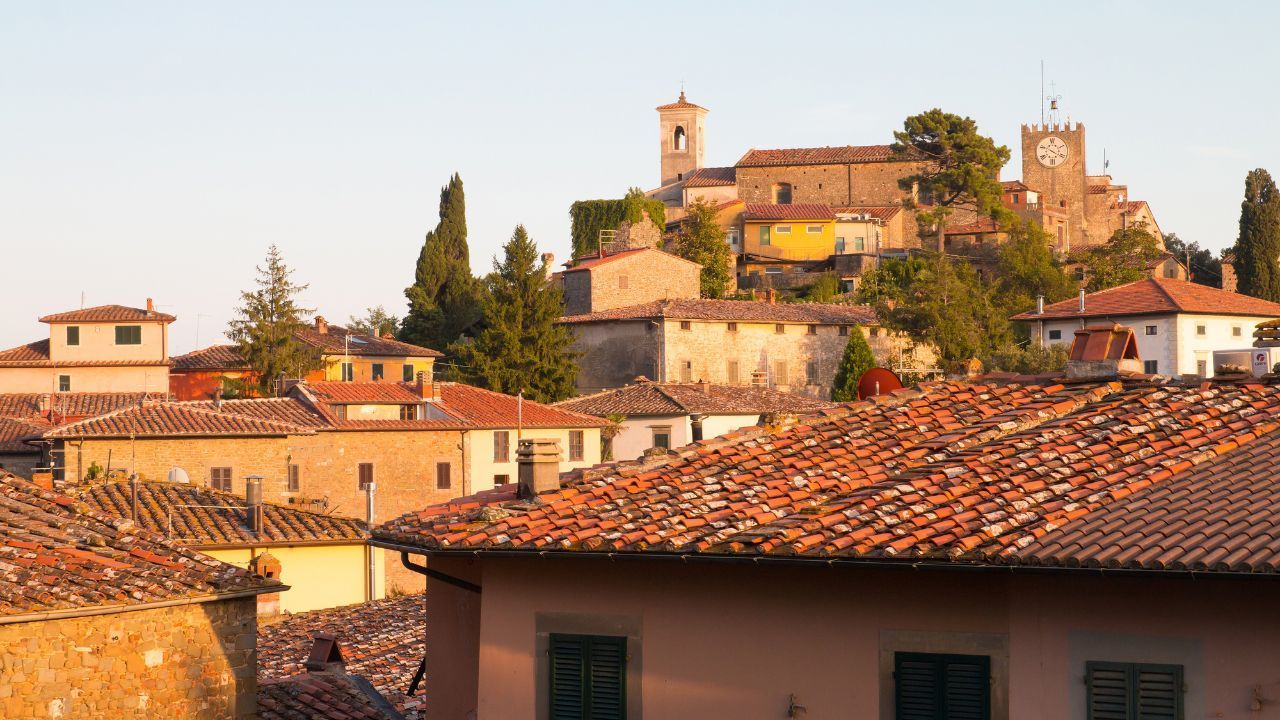
The nearby walled village of Monteriggioni, which you often visit in combination with San Gimignano, was featured in the popular video game Assassin’s Creed II.
Its perfectly preserved walls inspired digital recreations that introduced millions of players to Tuscan medieval architecture.
While San Gimignano itself was not fully recreated in the same way, its towers and atmosphere strongly represent the kind of fortified urban landscape that defines central Italy’s Middle Ages.
This intersection between ancient heritage and modern entertainment shows how powerful these landscapes remain. They continue to inspire global imagination centuries later.
Common Mistakes to Avoid When Visiting San Gimignano
Even beautiful places can feel overwhelming if approached incorrectly. Here are common mistakes I see travelers make:
- Arriving at peak midday without reservations
- Spending all the time in souvenir shops
- Skipping the cathedral interior
- Ignoring local wines in favor of only Chianti
- Underestimating the heat in summer
Instead, arrive early. Book tastings in advance. Step into side streets and enjoy escorted tours.
Small adjustments transform your experience.
Practical Tips from a Local Tour Operator
After years of accompanying visitors, here are my insider suggestions:
- Wear comfortable shoes. The streets are stone and uneven.
- Bring a light scarf for church visits.
- Taste Vernaccia in a proper wine bar, not only in tourist spots.
- Stay for sunset if possible. The golden light on the towers is unforgettable.
- Combine San Gimignano with Siena and Monteriggioni for a complete visit.
Indeed, Tuscany is not only about isolated landmarks. It is about connections between towns, landscapes, and flavors.
Is San Gimignano Worth Visiting with an escorted Tour from Montecatini?
If you are staying in Montecatini Terme, you may wonder how to experience these highlights without stress.
Our Siena, San Gimignano, Monteriggioni & Chianti Wine Tasting from Montecatini (pickup from your accommodation) offers a seamless way to explore the heart of Tuscany in one immersive day.
A Relaxed Departure from Montecatini
After breakfast, at 8:30, your multilingual tour leader meets you directly in front of your hotel. No train changes. No parking worries. Just a comfortable roundtrip transfer and expert guidance throughout the day.
Siena: Gothic Elegance and Medieval Power
You explore Siena, one of Italy’s most enchanting cities. Piazza del Campo welcomes you with its shell-shaped harmony. The Gothic cathedral impresses with its intricate façade.
You may wander independently or join an optional guided walk. Either way, you experience Siena beyond surface beauty.
Chianti Wine Tasting at the Foot of Monteriggioni
After Siena, a scenic 30-minute drive brings you to a charming estate near Monteriggioni Castle.
Here, vineyards surround you. History meets flavor. You enjoy a guided tasting of signature wines, olive oils, and vinegars. Everything is paired with Tuscan cold cuts, cheeses, and bruschette.
It is not simply lunch. It is a journey into Tuscan agricultural tradition.
Monteriggioni: A Perfect Medieval Crown
Monteriggioni feels frozen in time. Fourteen towers crown its walls. Walking along the ramparts offers panoramic countryside views.
Its small size makes it intimate. Its history makes it powerful.
San Gimignano: The Grand Finale
Finally, you reach San Gimignano. You have free time to explore artisan shops, admire the skyline, taste the best gelato in San Gimignano, and appreciate the Vernaccia wine culture.
Then, you return comfortably to Montecatini Terme. You carry memories of towers, vineyards, frescoes, and flavors.
This full-day experience allows you to connect Siena’s grandeur, Chianti’s countryside, Monteriggioni’s fortifications, and San Gimignano’s iconic towers — without logistical stress.
Final Thoughts: Is San Gimignano Worth Visiting?
San Gimignano is worth visiting not only because it is beautiful. It is worth visiting because it tells a story of medieval ambition, artistic devotion, agricultural excellence, and cultural continuity.
It stands as a vertical memory of Tuscany’s past. Yet it remains alive with flavors, traditions, and human warmth.
If you want to experience it in a smooth, authentic, and enriching way, explore our guided tour from Montecatini and let Tuscany Daily Tours accompany you through Siena, Monteriggioni, Chianti, and San Gimignano in one unforgettable day.
Discover the towers. Taste the Vernaccia. Walk through history.
Your Tuscan journey begins here.
Frequently Asked Questions
Is San Gimignano too touristy?
It can be busy midday in high season. However, early morning or late afternoon visits feel authentic and peaceful.
How far is San Gimignano from Siena?
About 45 km. The drive takes roughly one hour through scenic countryside.
What is San Gimignano famous for?
Medieval towers, Vernaccia wine, frescoed churches, saffron, and award-winning gelato.