
Italian Opera: from Puccini to live experiences

The Tradition of Italian Opera


Italian opera is one of the most celebrated art forms in the world, combining powerful music, poetic libretti, and timeless storytelling. 

Emerging in the late Renaissance, opera quickly gained traction across Europe and beyond, becoming a symbol of Italian culture and sophistication. Its universal appeal lies in the ability to evoke deep emotions and transport audiences into realms of passion, drama and beauty.


Opera in the 18th Century

During the 18th century, opera was dominated by the "opera seria" focusing on historical and mythological themes. 

These performances showcased the vocal prowess of singers, who often inserted their favorite pieces—the famous "aria da baule"—to impress audiences.

One unique tradition of this period was the "sorbetto aria". 

Nobles attending the opera, familiar with these technical pieces, would indulge in a refreshing sorbet while the singer performed. 


The "
opera buffa" a lighter and humorous genre, emerged in the mid-18th century, delighting audiences with relatable characters and comic scenarios. 

Gioachino Rossini’s The Barber of Seville is a prime example of this style, embodying wit and charm.


The 19th Century: A Golden Age

The 19th century marked the peak of Italian opera, with legendary composers like Rossini, Bellini, Donizetti, and Verdi defining the era. 

Each brought unique contributions to the art.

  • Gioachino Rossini. Renowned for his comedic brilliance in works like The Barber of Seville. Beyond music, Rossini’s passion for gourmet cuisine mirrored his vibrant personality.
  • Vincenzo Bellini. Master of tragic operas, Bellini’s Norma and La Sonnambula are pinnacles of the "bel canto" style, celebrated for their intricate vocal techniques and emotional depth.
  • Gaetano Donizetti. Prolific and passionate, Donizetti composed over 70 operas, including enduring favorites like Don Pasquale and L’elisir d’amore.
  • Giuseppe Verdi. A revolutionary spirit, Verdi’s works, such as La Traviata and Nabucco, combined political themes with profound human drama, leaving an indelible mark on the genre.


Italian Opera Popular Songs

Opera transcends language barriers, delivering emotions that resonate universally. Here are some iconic pieces that define Italian opera known worldwide!


Aida by Giuseppe Verdi: A Political Masterpiece

Verdi’s Aida intertwines love and tragedy against a backdrop of Egyptian and Ethiopian conflict. Premiered in Cairo in 1871 to celebrate the Suez Canal’s inauguration, its themes of sacrifice  and patriotism remain timeless.


The Barber of Seville by Gioachino Rossini: A Comic Delight

This opera buffa humorously portrays societal chaos, with Figaro’s exuberant "Largo al factotum" becoming an emblem of cleverness and charm. The vivacious music and witty narrative have delighted audiences since 1816.


La Traviata by Giuseppe Verdi: The Melodrama of Love

Central to La Traviata is Violetta’s selfless love. Her poignant aria "Amami Alfredo" epitomizes passion  and sacrifice, touching hearts with its sincerity and depth.


Tosca by Giacomo Puccini: A Tale of Love and Power

Set in 19th-century Rome, Tosca explores themes of ambition and betrayal. The aria "Vissi d’arte" captures the essence of devotion and despair, showcasing Puccini’s genius.


Nabucco by Giuseppe Verdi: A Cultural Icon

The stirring chorus "Va’ Pensiero" from Nabucco is a hymn to freedom and identity. This 1842 masterpiece cemented Verdi’s role as a symbol of national pride.


Madame Butterfly by Giacomo Puccini: East Meets West

Blending Japanese motifs with Puccini’s lush melodies, Madame Butterfly portrays the poignant tale of a woman torn between love and cultural identity. Its timeless appeal lies in its emotional authenticity.


Among the composers and masters of the 19th century stands out Giuseppe Verdi, author of melodramas and stories that
merge impossible loves to political themes

Another great exponent was definitely Giacomo Puccini. Do you already know him?


Giacomo Puccini: A Timeless Composer

Giacomo Puccini (1858-1924) was born in Lucca, Tuscany, into a family of musicians. Puccini’s music stands out for its emotional intensity and dramatic realism. 


His female heroines, often portrayed as fragile yet resilient, face love, loss, and sacrifice. Operas like
Tosca, La Bohème and Madame Butterfly continue to dominate stages worldwide, reflecting universal themes that transcend time and place.


Puccini revolutionized opera by
blending lyrical melodies with intricate orchestration, ensuring the orchestra became as central to the drama as the vocal performances. This innovation added depth and intensity to his works, creating immersive experiences for the audience. 

His final opera, Turandot, left incomplete at his death, is a testament to his forward-thinking creativity, combining exotic influences and groundbreaking musical ideas.


CITAZIONE: "Inspiration is a awakening, an escape from all human faculties, and it manifests itself in all great artistic achievements." Giacomo Puccini


Lucca: Hometown of Giacomo Puccini

Nestled in the heart of Tuscany, Lucca is a city that breathes history and art. As Puccini’s birthplace, it proudly celebrates its connection to this legendary composer. 

That’s why we love to take our guests along our Lucca Walking Tour!


Buying the ticket visitors can explore the Casa Natale di Puccini

The house where Puccini was born and raised is now a museum dedicated to his life and work. Highlights include original manuscripts, letters, and the grand piano Steinway&Sons. This was the instrument Puccini used for composing his works, above all the last parts of Turandot.


A stroll through Lucca reveals its rich cultural tapestry. The
Puccini Festival held annually in nearby Torre del Lago offers performances in a stunning open-air theater, celebrating the maestro’s legacy in the landscapes that inspired him. 

Lucca’s medieval walls and cobblestone streets provide the perfect backdrop to immerse yourself in the world of Puccini, blending history, music, and romance.


Experience Italian Opera Live

Do not miss the chance to discover Italian Opera tradition nowadays!

We provide you live experiences you definitely won’t forget, such as the Montecatini Opera Festival’s tickets or an intimate concert in a picturesque Florentine church.


27th Montecatini Opera Festival 2025

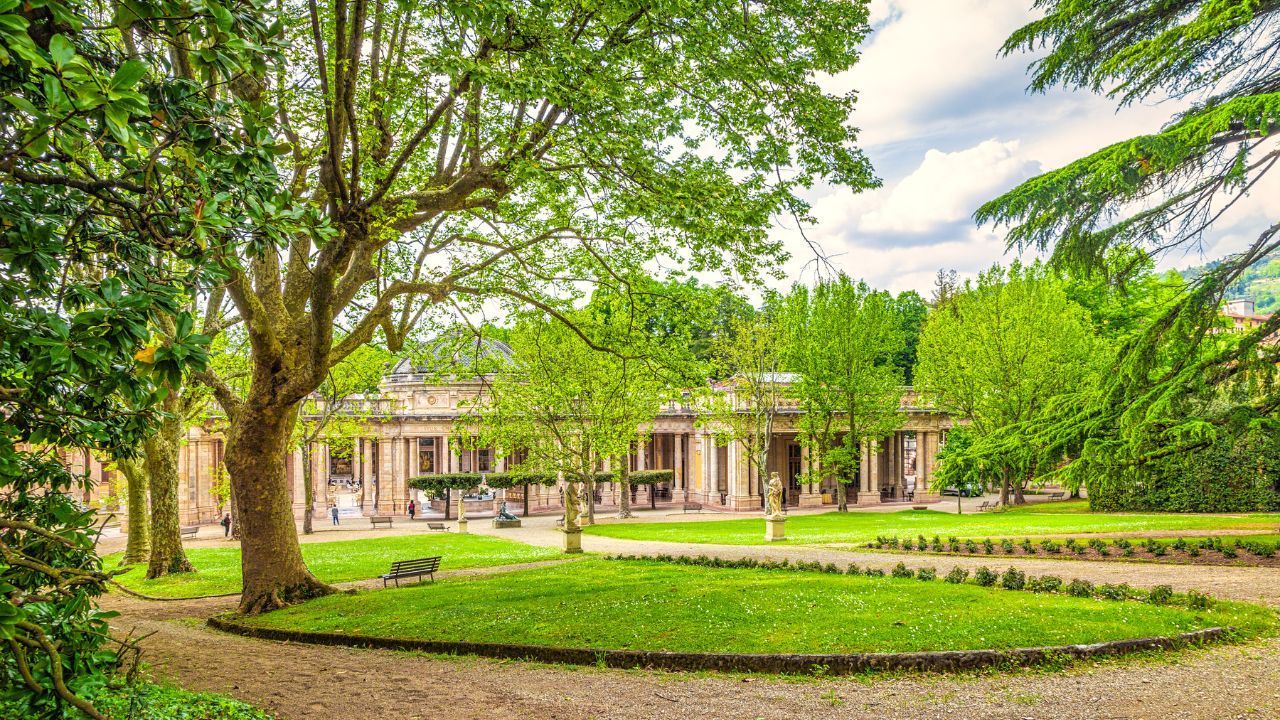
The incredible setting of the Terme Tettuccio, a UNESCO World Heritage site, will meet Italian Opera for a magical experience.

The 27th edition of the Montecatini Opera Festival will open in 2025 with a gala, dedicated to the great Italian opera tradition and continue with its global repertoire. 


Since the 19th century, all the greatest Italian opera composers have chosen to spend some time in Montecatini Terme to recover at the famous Terme and find inspiration. 

Their music has helped to make this town known throughout the world and it still resonates in the air.


So, if you’re visiting Tuscany from April 25 to October 24, this year, we highly recommend you to
book the tickets here and get to know a bit of our musical tradition.


Italian Opera Concert in Santa Monaca Church

If Italian opera stirs your soul, Tuscany Daily Tours invites you to an unforgettable evening in Florence’s Santa Monaca Church. The intimate concert features arias from La Traviata, La Bohème, Tosca and more, performed by professional opera singers.


The Santa Monaca Church, a 15th-century architectural gem, enhances the experience with its stunning frescoed ceilings and intimate ambiance. 

Each performance immerses the audience in the emotional depth of Italian opera, bringing the stories and music to life in an unparalleled setting. Don’t miss the chance to listen to Verdi and Giacomo Puccini in our Italian Opera Concert in Santa Monaca Church experience. Reserve your seats for an authentic experience in a wonderful setting.


You can also pair the
evening with dinner at restaurant “Vivanda”, known for its organic Tuscan cuisine and curated wine selections. It is right next to the church!

Together, the concert and dinner create a complete cultural journey, offering a taste of Florence’s artistic and culinary heritage. Whether you are a seasoned opera enthusiast or a curious newcomer, this experience promises to leave a lasting impression. Book it here!


Italian opera is more than music; it is a celebration of life’s
profound emotions and a bridge between past and present


From the streets of Lucca to the grand stages of Florence, Tuscany Daily Tours offers you a journey into the soul of opera. 

Let the melodies guide you—a timeless embrace of love, tragedy, and triumph!

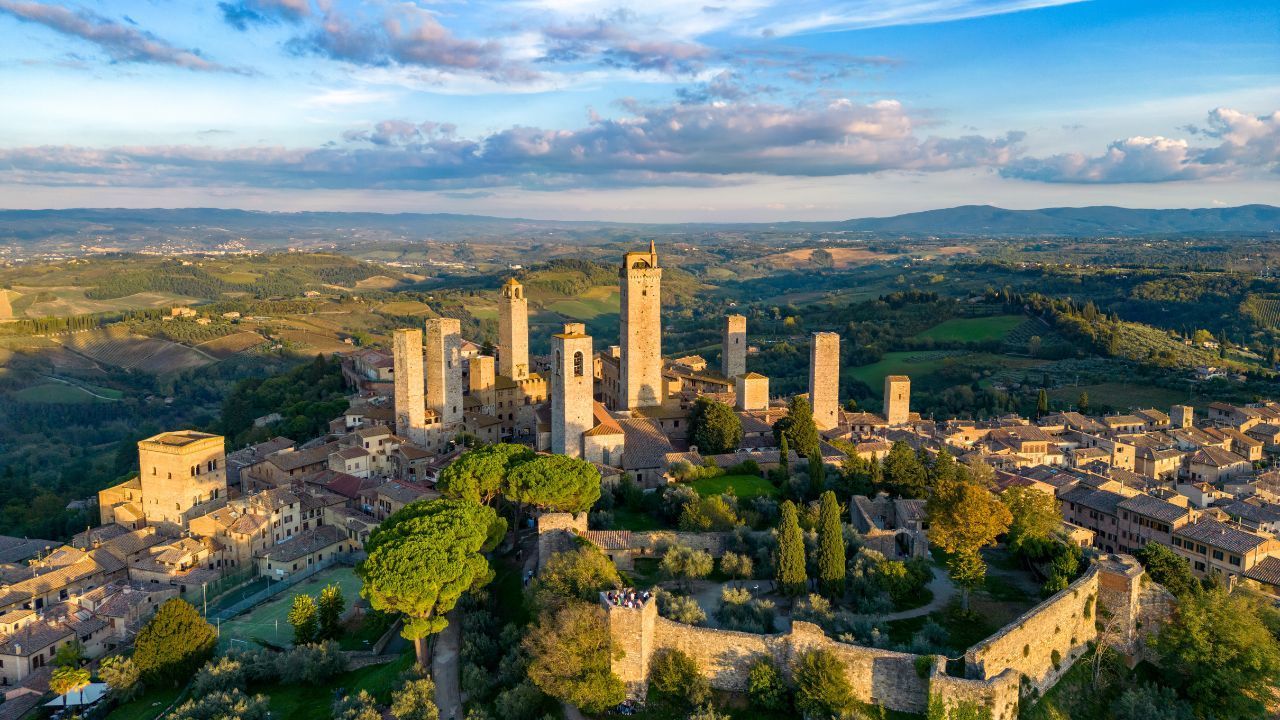
San Gimignano towers at sunset during Tuscany Daily Tours excursion from Montecatini
By Martina Gambardella March 6, 2026
Is San Gimignano worth visiting? Discover what to see and enjoy it on our Siena, Chianti & San Gimignano tour from Montecatini.
Wondering where to stay in Tuscany? Discover the best base
By Martina Gambardella March 6, 2026
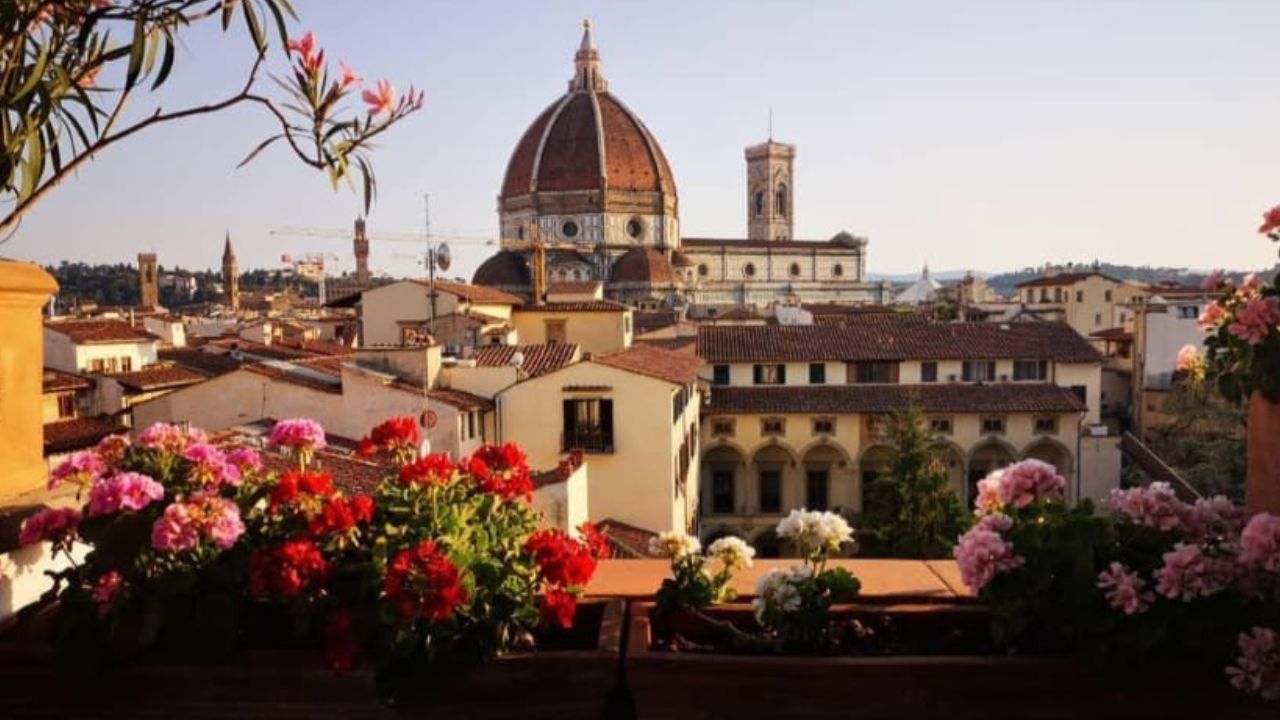
Wondering where to stay in Tuscany? Discover the best base to visit Florence, Pisa and Lucca with smart day trips and local insights.
By Martina Gambardella February 26, 2026
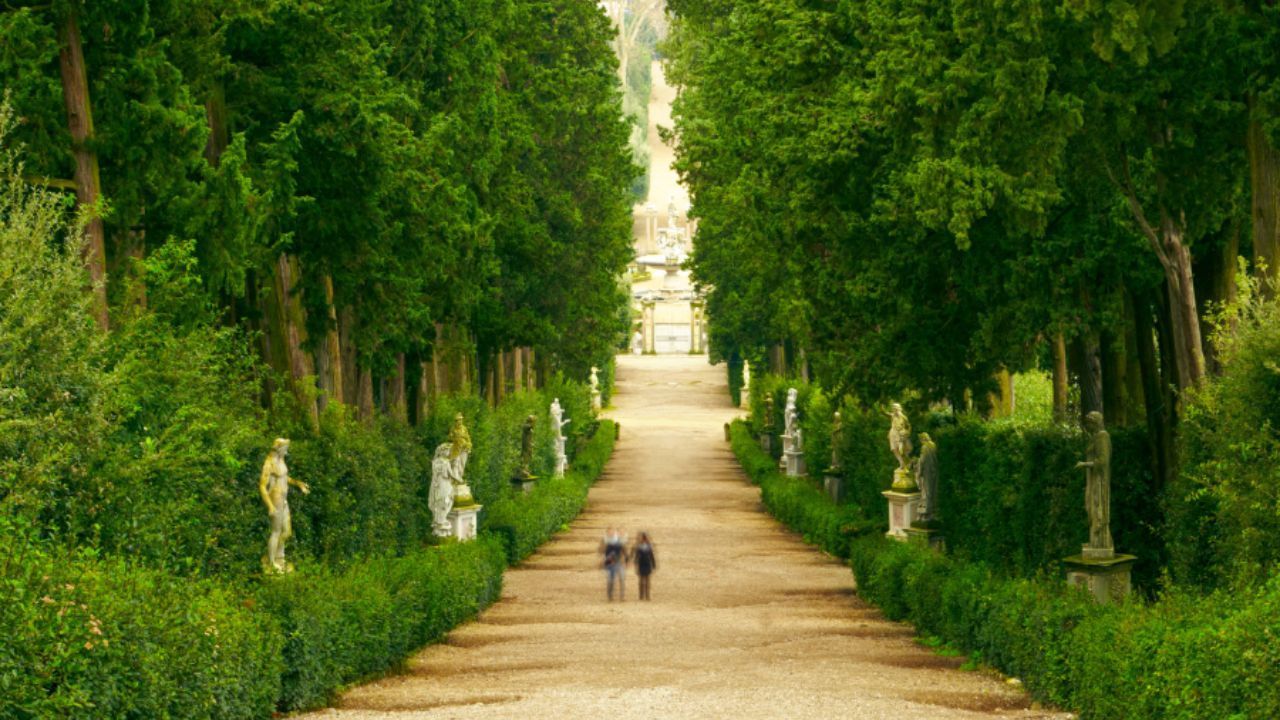
When the sun is shining over Florence and the city glows with warm golden light, there is one place that locals and travelers instinctively choose: the Boboli Gardens . More than a park, Boboli is a place where Florence slows down, where art and nature blend seamlessly, and where a sunny day becomes an unforgettable memory. As a local tour operator who accompanies visitors here every day, we can say with certainty: visiting the Boboli Gardens is one of the best things to do in Florence on a sunny day . How to Get to the Boboli Gardens Getting to the Boboli Gardens is easy, and choosing the right entrance can already shape your experience. The gardens have four main entrances , all located on the Oltrarno side of Florence, each offering a slightly different way to step into this green masterpiece. Main entrances to the Boboli Gardens Palazzo Pitti Entrance The most iconic and commonly used entrance, directly connected to the Pitti Palace. Entering from here feels grand and ceremonial, just as the Medici once intended. Bus lines: C3, C4, 11 Forte di Belvedere Entrance A quieter access point that offers spectacular panoramic views over Florence. Ideal if you want to combine Boboli with one of the city’s most scenic viewpoints. Via Romana – Annalena Gate A lateral and less crowded entrance, perfect for visitors arriving from the southern part of the city or staying near Porta Romana. Bus line: 11 Piazzale di Porta Romana Entrance Located at the end of Via Romana, this entrance provides a more local and relaxed way to enter the gardens. Bus lines: 11, 13, 36, 37 The exit is generally located near Piazza Pitti , making it easy to continue exploring the Oltrarno neighborhood after your visit. Tickets and practical tips Tickets can be purchased online or on site , but booking in advance is strongly recommended, especially during high season, to avoid queues. Prices vary depending on ticket type and exhibitions, with reductions and free entry available for certain categories such as Florence residents, students, and on specific days. The Feeling of Entering Boboli Gardens The moment you step inside the Boboli Gardens, the city seems to disappear. The sounds of Florence fade into the background, replaced by gravel paths underfoot, the murmur of fountains, and the gentle movement of trees shaped centuries ago. On a sunny day, light filters through the greenery, illuminating statues and terraces in a way that feels almost theatrical. Boboli is not a place to rush — it invites you to slow down, wander, and simply breathe. Walking along the alleys designed for these gardens, you can probably have some flashbacks, flashbacks of a time you've never lived. Indeed it’s so easy to imagine princes and princesses, lords and ladies of the upper classes walking with you, hiding with their lovers behind some bushes. You can almost see their clothes, changing from Renaissance to the 18th century to the latest fashion. Can’t you see their farthingales, girdles and sumptuous wigs? And then the scandals, the weapons, and the illegitimate relationships that we know these gardens have hidden. A Garden Born from Power, Art, and Vision Moreover, we know that the history of the Boboli Gardens Florence begins in 1549 , when Eleonora di Toledo , wife of Cosimo I de’ Medici, purchased the Pitti Palace and commissioned the creation of a garden worthy of the most powerful family in the city. The first project was designed by Niccolò Tribolo , later expanded by architects and artists such as Bartolomeo Ammannati , Giorgio Vasari , and Bernardo Buontalenti . Together, they transformed a hillside into the model of the Italian Renaissance garden , where nature is shaped by art, geometry, and symbolism. Boboli was conceived as a space that expressed harmony, order, and Medici authority. Every fountain, statue, and avenue had meaning, celebrating humanity’s ability to shape the natural world. After the Medici dynasty, the Lorraine family enriched the gardens with new botanical elements and scenic viewpoints, adding layers of history without altering their essence. In 1766 , Boboli was opened to the public, turning a private aristocratic retreat into a shared cultural treasure. Today, walking through the gardens feels like moving through centuries of Florentine history — an open-air museum where Renaissance ideals meet Baroque elegance. Exploring the Layout of the Gardens The Boboli Gardens unfold vertically behind the Pitti Palace, climbing gently toward panoramic terraces. Wide gravel paths, hidden groves, manicured hedges, and sudden open views create a landscape designed to surprise and delight. Unlike modern parks, Boboli was meant to impress, guide, and inspire — and it still does. Must-See Highlights Inside Boboli Gardens If you want to make the most of your visit, these are the spots we always recommend: The Amphitheater Located just behind the palace, this space once hosted court performances and celebrations for the Medici family. The Buontalenti Grotto A surreal masterpiece of Mannerist art, filled with artificial stalactites, sculptures, and hidden symbolism. The Fountain of Neptune One of the highest points in the gardens, offering open views and a refreshing atmosphere. The Kaffeehaus Terrace Inspired by Viennese architecture, this terrace offers one of the best panoramic views over Florence , especially beautiful in the afternoon sun. Discover Boboli with a Local Guide: Pitti Palace & Gardens Tour For travelers who want more than a simple walk, we recommend experiencing Boboli with a professional local guide . Our small-group Pitti Palace and Boboli Gardens tour combines: a guided visit to the Palatine Gallery , home to masterpieces by Raphael, Titian, and Caravaggio an in-depth exploration of the Boboli Gardens , uncovering stories, symbols, and hidden corners The tour includes priority entrance tickets and a 24-hour pass that allows you to continue exploring the rest of the Pitti Palace galleries at your own pace. It’s the perfect way to truly understand what you’re seeing — and why it matters. Practical Information: Opening Hours and Ticket Prices Opening hours: Daily: 8.15- 16.30 in January, February, November; 17.30 in March and October (Standard Time); 18.30 in March (DST), April, May, September, October (DST); 19.10 in June, July and August. Closing Day First and Last Monday of the month. 1st of January, 25th of December. Last entry: One hour before closing Ticket Single entrance to the Boboli Gardens Full Price: 10€(With the Boboli Gardens ticket, you can access the Villa Bardini Garden for free). Bookings Entrance reservation for the additional cost of 3€ at the official online ticket office or on +39 055 294883 (Mon-Fri 8.30-18.30 Sat 8.30-12.30). Local Tips for Visiting Boboli Gardens Visit late morning or mid-afternoon for the best light Wear comfortable shoes — paths are gravel and slightly sloped Bring water during summer months Take your time: Boboli is meant to be experienced slowly Why Boboli Gardens Are Perfect on a Sunny Day in Florence Florence can be intense, vibrant, and overwhelming — Boboli is where the city exhales. On a sunny day, there is no better place to reconnect with Florence’s elegance, history, and quiet beauty. That is what a lot of Florentines scholars thought, too. Indeed, Boboli Gardens is famous as the place where boys and girls from high school usually immersed to skip school. This way, it was possible for them to admire their historic value, elegance, and patriotic inestimable value… and of course, skip school (but that was far less relevant). Although this habit is fading (because of school’s digital logs) these gardens keep hiding over time secrets of thousands of florentines: boys, girls, students, noblemans, both from the 20th century and from Reinassence’s era. Once you leave the gardens, remember what you saw — but please, keep these secrets with you!
Siena catedral facade
By Martina Gambardella October 21, 2025
Discover the majesty of the Siena Cathedral with our guided tour: a gothic masterpiece in Tuscany full of history, art, and breathtaking views.
Vasari Corridor
By Martina Gambardella July 29, 2025
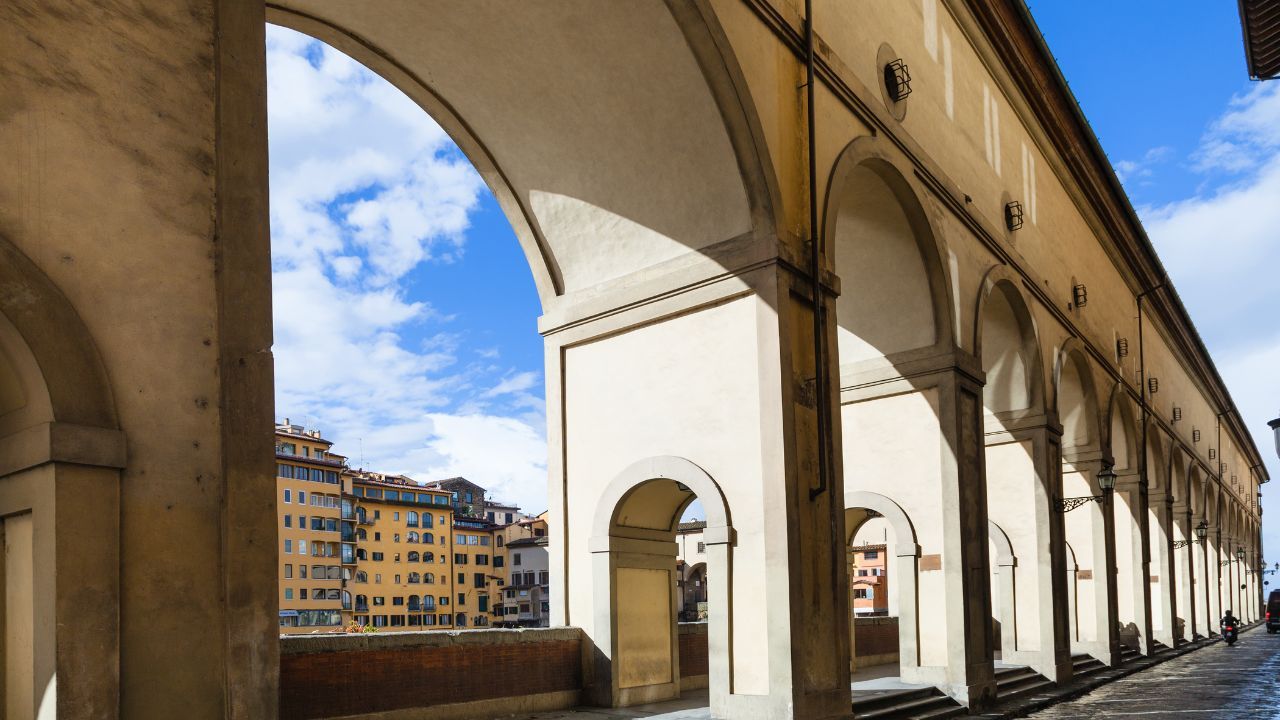
Uncover the Vasari Corridor in Florence: what it is, its fascinating history, the genius of Giorgio Vasari and its link to the Uffizi.
Things to do in Italy Florence in 1 Day
By Martina Gambardella July 22, 2025
Discover the best things to do in Florence, Italy with our 1-day walking itinerary from Santa Maria Novella. Art, history, food & hidden gems await!
Leonardo da Vinci Sketches
By Martina Gambardella July 10, 2025
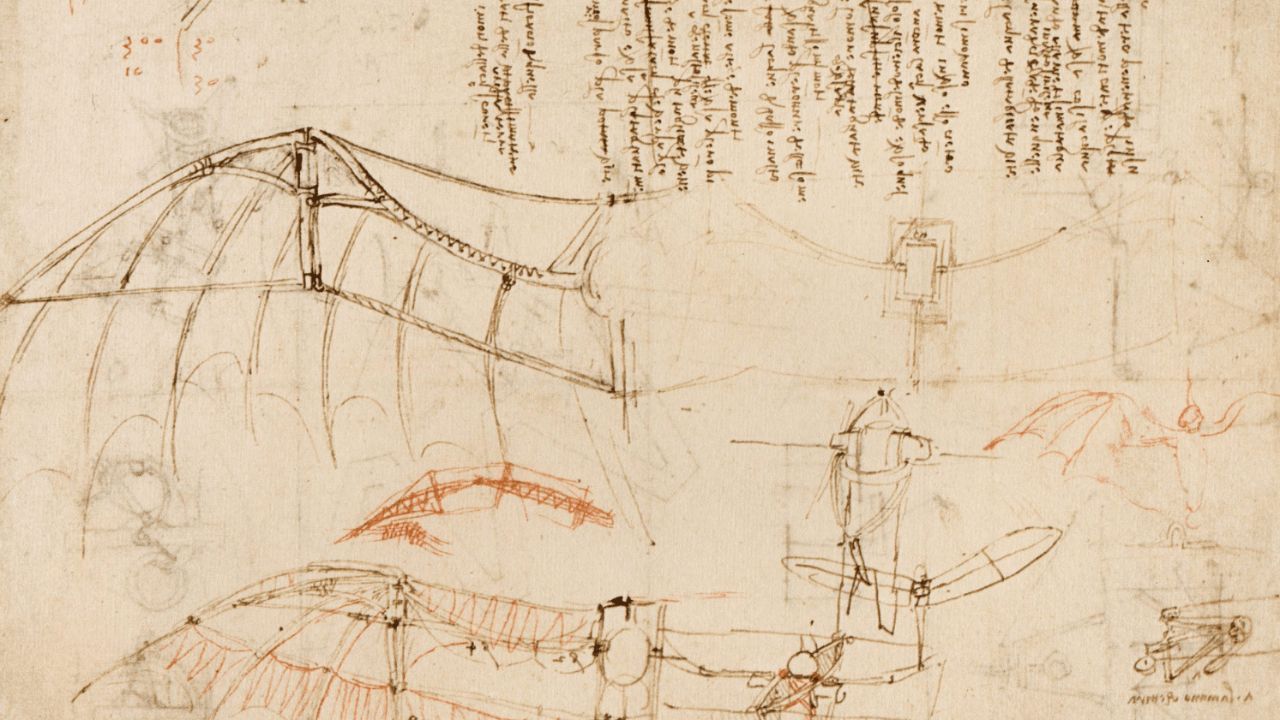
Discover Leonardo da Vinci sketches in Vinci: a Tuscan tour through his birthplace, inventions, and original artworks in a stunning countryside setting.
Tuscan Caves: Inside Grotta Maona
By Martina Gambardella July 9, 2025
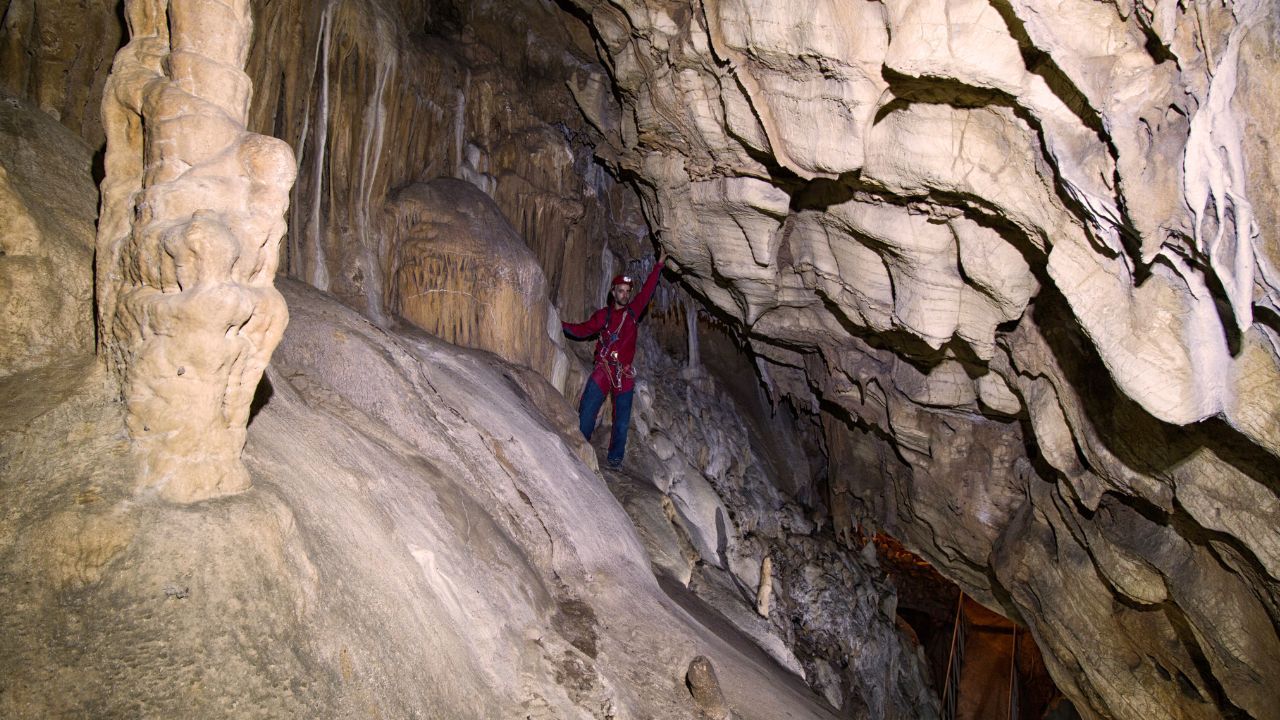
Tuscan caves in Valdinievole are the splendid evidence of nature action. Let us tell you about Grotta Maona's story.
Your tour from Montecatini Terme
By Martina Gambardella July 4, 2025
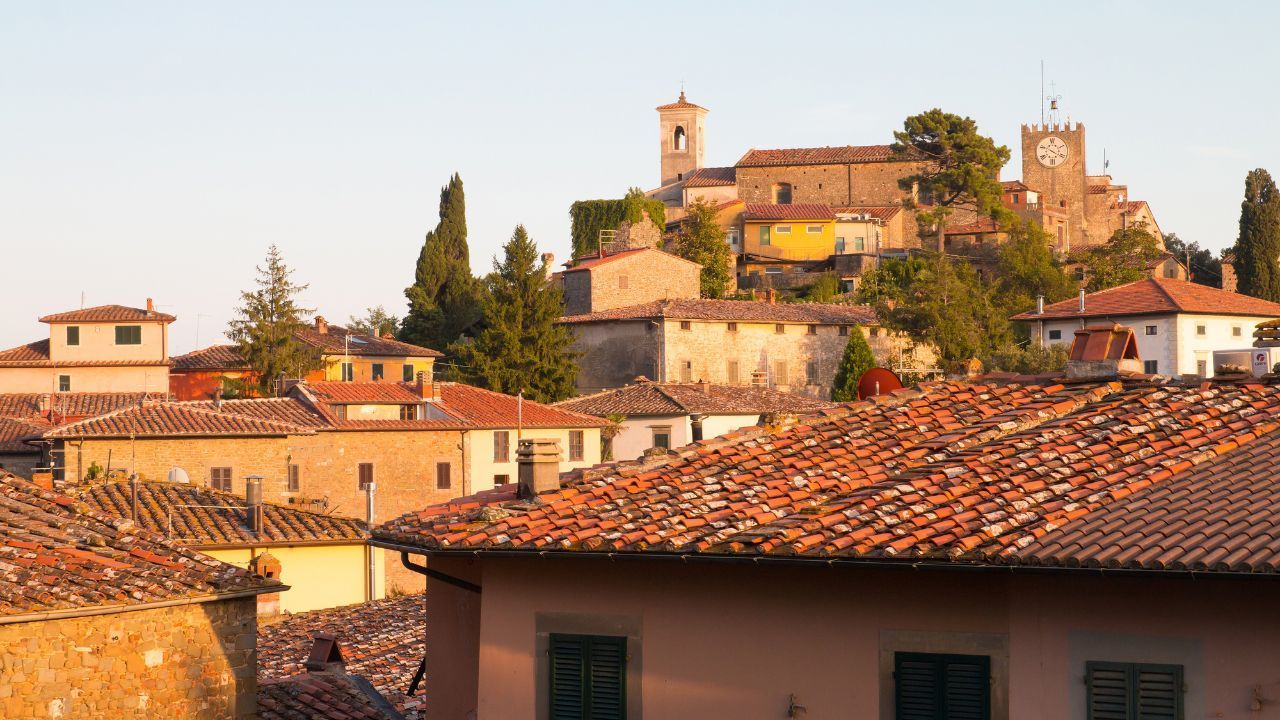
Explore Tuscany’s heart with an exclusive tour from Montecatini Terme. Discover Vinci, savor wine, and visit Cinque Terre with hotel pickup and local guides.
San Gimignano Tuscany
By Martina Gambardella July 2, 2025
Explore San Gimignano Tuscany: towers, art, and wine in a medieval gem perfect for unforgettable holidays in the Tuscan countryside.